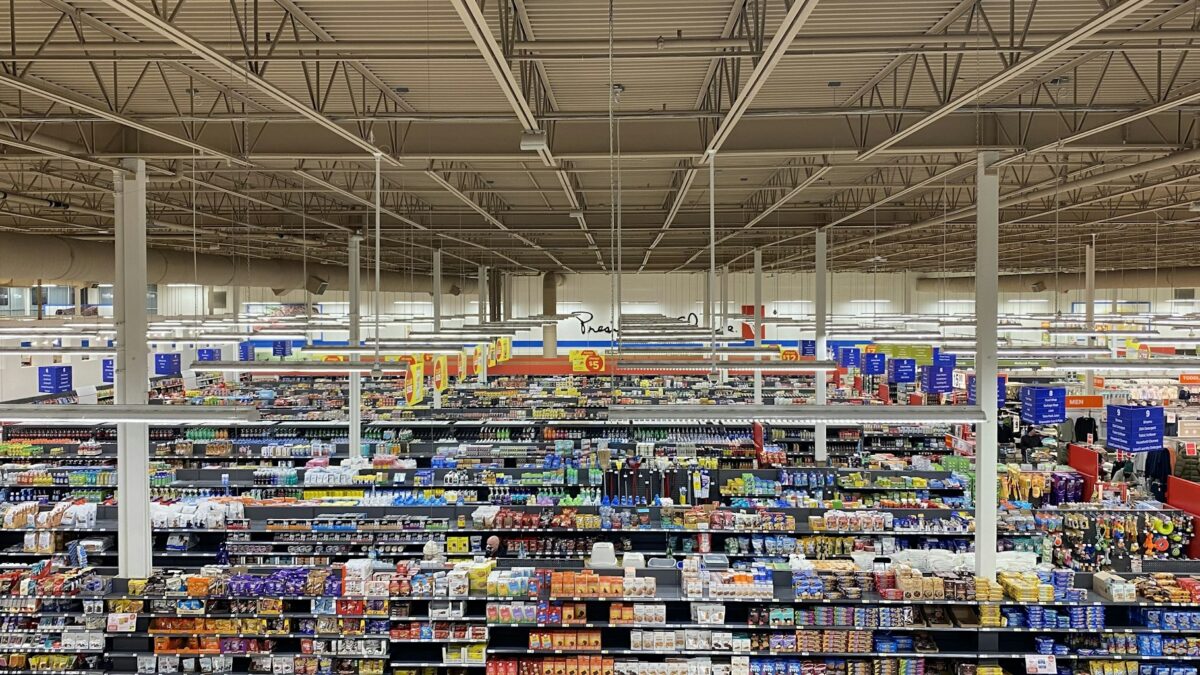
Publix Store Closures Announced Across Southeast
Publix Super Markets has announced plans to close seven locations by the end of the year as the regional grocer navigates softening consumer demand and industry headwinds. The closures span four states, with the majority concentrated in Florida. This marks a strategic shift for the Lakeland-based retailer, which operates over 1,300 stores across the Southeast and has long been a staple for regional shoppers.
The affected locations include four stores in Florida: St. Petersburg at 5577 Park Street NW, Miami at 8250 Mills Drive, West Palm Beach at 828 Southern Boulevard, and Palm Bay at 4711 Babcock Street NE. Two closures will occur in Georgia (Atlanta at 1380 Atlantic Drive NW and Chamblee at 2562 Shallowford Road NE), and one in South Carolina (Goose Creek at 208 Saint James Avenue). According to reports, some of these locations may be rebuilt or reimagined as part of the company’s long-term portfolio strategy.
Why Is Publix Closing These Stores?
The decision reflects broader challenges facing the grocer. In its second quarter results, Publix reported sales of $15.7 billion, representing only a 1 percent increase from the prior year period. For the first half of the year, sales climbed just 1.5 percent to $31.9 billion. More concerning, comparable store sales declined 0.5 percent during the second quarter, signaling that existing locations are generating less revenue.
Publix attributed the sluggish performance to two primary factors: recent changes to Medicare drug pricing policies and weakened consumer spending patterns. The drug pricing impact particularly affects pharmacy operations, which represent a significant revenue stream for grocers. Additionally, consumer spending across the grocery industry has softened as shoppers remain cautious about discretionary purchases and seek better deals on essentials.
The company also experienced a steep earnings decline in the first quarter, posting net income of $794 million, down 21.5 percent from $1 billion in the same period the prior year. While unrealized losses on equity securities accounted for part of this decline, the underlying sales performance remains a concern for management and investors alike.
What This Means for Shoppers
For customers in the affected markets, the store closures create immediate practical concerns. Those relying on specific Publix locations will need to identify alternative stores, whether other nearby Publix stores or competing grocers in their area. Shoppers should review loyalty program balances and digital coupon offers before their local store closes, as these benefits may not transfer seamlessly to new locations.
The closures also raise questions about Publix’s competitive positioning. While the company remains one of the largest regional grocers in the nation, BOGO policies and pricing strategies will continue to shape how customers perceive value at remaining stores. In markets where Publix maintains a strong presence, the company is likely to invest in modernizing remaining locations rather than accepting shrinkage.
Employees at closing stores will face workforce transitions. Publix has a reputation for promoting from within and offering competitive wages for the grocery industry, but layoffs and relocations still create disruption for workers and their families.
Broader Industry Context
Publix’s struggles are not isolated. Regional and national grocers across the United States are grappling with similar headwinds: rising operational costs, pricing pressure from discount competitors, generational shifts in shopping behavior, and the persistent impact of policy changes on pharmacy revenue. The Medicare drug pricing adjustments represent a structural challenge that grocers must absorb or pass along to consumers in other categories.
This environment has forced many retailers to rationalize their store portfolios, closing underperforming locations and reinvesting in high-opportunity markets. Publix’s decision to close seven stores while exploring rebuilds at some sites reflects a measured approach to portfolio optimization.
Looking Ahead
Shoppers in affected markets should monitor communications from Publix regarding store closure timelines and any grand opening announcements for rebuilt locations. Customers who have found value in Publix’s service model, product selection, or food safety practices may need to explore alternatives or plan longer trips to remaining stores. For those outside the immediate closure areas, the announcement serves as a reminder that even established regional chains must constantly adapt to market realities and consumer behavior shifts.
 Federal Reserve Rate Hike Expected This Year: What Inflation Means for Your Wallet
 Tariff Uncertainty and Rising Costs: What Shoppers Should Know
 Walmart Store Closings in September What Shoppers Should Know
 Kroger’s 24-Hour Store Challenge: What Shoppers Need to Know
 Walmart and Trader Joe’s Frozen Berry Recall Expansion: What Shoppers Should Know
 Publix Sales Growth Slows: What Changes Mean for Shoppers