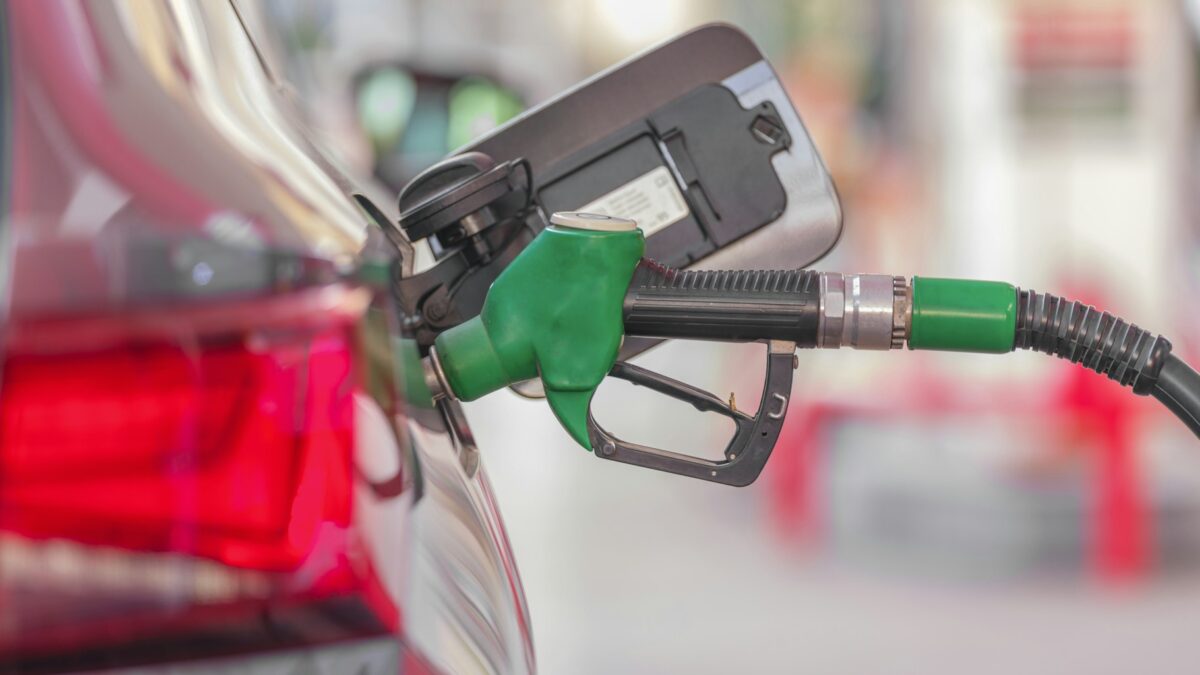
For shoppers at the checkout counter, this diesel spike translates directly into higher transportation costs for groceries and perishable goods. Every item that travels by truck to your local store, from fresh produce to meat and dairy products, now carries a larger fuel surcharge embedded in its price tag. The most immediate pressure is being felt on products that require frequent restocking and quick delivery, such as fresh fruits, vegetables, meat, and other perishables that spoil quickly.
Why Diesel Prices Spiked Now
The timing of this record high coincides with seasonal demand pressures. As fall harvest season arrives for many crops, farmers increase their use of diesel-powered tractors and machinery. Simultaneously, heating demand begins to rise as temperatures cool, driving up consumption of diesel for home and building heating systems. These overlapping demand spikes push prices higher precisely when agricultural output is at its peak.
Beyond immediate seasonal factors, the longer-term outlook for food prices remains concerning. Both major conflicts affecting global oil supplies continue to disrupt grain and fertilizer markets, creating additional upward pressure on agricultural commodity prices. Forecasters predict that these cost increases will translate into higher food prices at retail throughout the coming year. When inflation pressures persist, shoppers feel the cumulative effect across their entire grocery baskets.
Additional Inflation Drivers Beyond Fuel
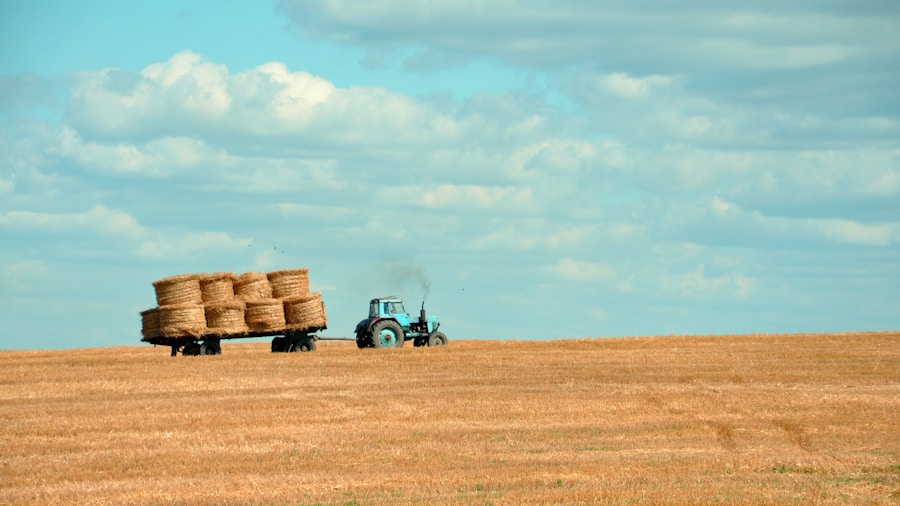
Diesel costs represent only one piece of a larger inflation puzzle affecting grocery shoppers. Weather patterns are also playing a significant role in future food prices. The World Meteorological Association has forecasted that this year’s El Niño weather pattern could be the strongest recorded in more than 70 years, potentially bringing unusually warm conditions through February of next year. This extreme weather poses serious risks for agriculture and water supplies globally, with predictions suggesting both severe droughts and severe flooding in different regions. Either scenario disrupts crop production and further tightens food supplies.
These factors suggest that shoppers should prepare for elevated grocery prices persisting well beyond the immediate season. The combination of high transportation costs, global supply chain disruptions, agricultural commodity inflation, and unpredictable weather creates a perfect storm for continued food price increases.
Gasoline Prices Add to Consumer Pressure
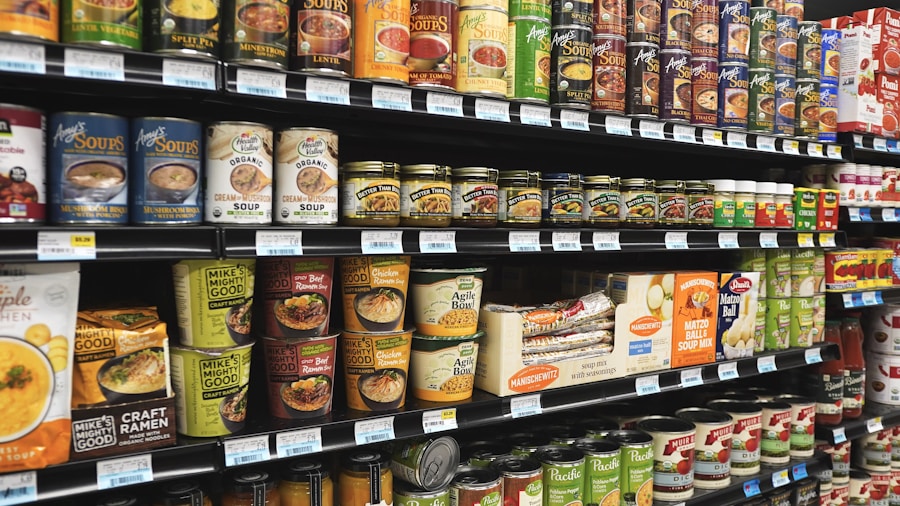
While diesel prices threaten grocery budgets, consumers also face record-breaking gasoline prices at the pump. Labor Day travelers encountered the highest gas prices ever recorded for that holiday period, with a national average of $4.14 per gallon, surpassing the previous Labor Day record of $3.82 set in 2012. The volatility in global oil markets, particularly disruptions affecting the Strait of Hormuz, continues to drive crude oil costs upward.
This combination of elevated gasoline and diesel prices creates a dual squeeze on household finances. Your drive to the grocery store costs more, and the products you purchase cost more due to higher transportation expenses. When wage increases fail to match inflation, household budgets tighten further.
What This Means for Your Shopping Strategy
Understanding these cost drivers can help you make smarter purchasing decisions. Expect that fresh produce, meat, and dairy products will likely continue experiencing price increases. Seasonal items and locally sourced products may offer better value when available since they require shorter transportation distances and less fuel consumption.
Consider stocking up on non-perishable items and frozen goods during sales when possible, as these products face less extreme price volatility than fresh alternatives. Planning meals around what is currently in season and available locally may help reduce your overall food spending. Additionally, staying informed about strategies to protect your savings becomes increasingly important as inflation persists across multiple categories of household spending.
The convergence of record fuel prices, geopolitical conflicts, seasonal demand patterns, and severe weather forecasts suggests that shoppers should remain vigilant about grocery costs. Prices are likely to remain elevated through the coming months, making budget awareness and strategic shopping habits essential tools for managing household expenses effectively.
 Aldi Faces Lawsuit Over SNAP Delivery Fees: What Shoppers Need to Know
 Costco Emerges as Major Grocery Threat to Traditional Retailers What Shoppers Should Know
 Walmart Activates Shop to Light Feature: What Shoppers Should Know
 Costco Overtakes H-E-B in Customer Satisfaction Rankings: What Shoppers Should Know
 Walmart Fall Deals Sale: What Shoppers Should Know About Early October Shopping
 Kroger Uses AI to Predict Ad Performance Before Spending Happens