
How Shop to Light Works
The Shop to Light feature uses LED technology embedded in digital shelf labels to help customers navigate the store more efficiently. When a shopper searches for a product using the Walmart mobile app, they can activate a blinking light on the corresponding shelf tag. This visual guide eliminates the frustration of searching multiple aisles or sections, reducing the time customers spend hunting for items.
This innovation builds on two existing applications of the same LED technology. “Stock to Light” helps warehouse and store employees quickly identify where merchandise should be placed, while “Pick to Light” assists workers fulfilling online orders by highlighting which items to select. Together, these three features create an integrated system that benefits both staff and shoppers, demonstrating how retail technology solutions are evolving to streamline operations.
The Broader Context: Walmart’s Commitment to Fair Pricing
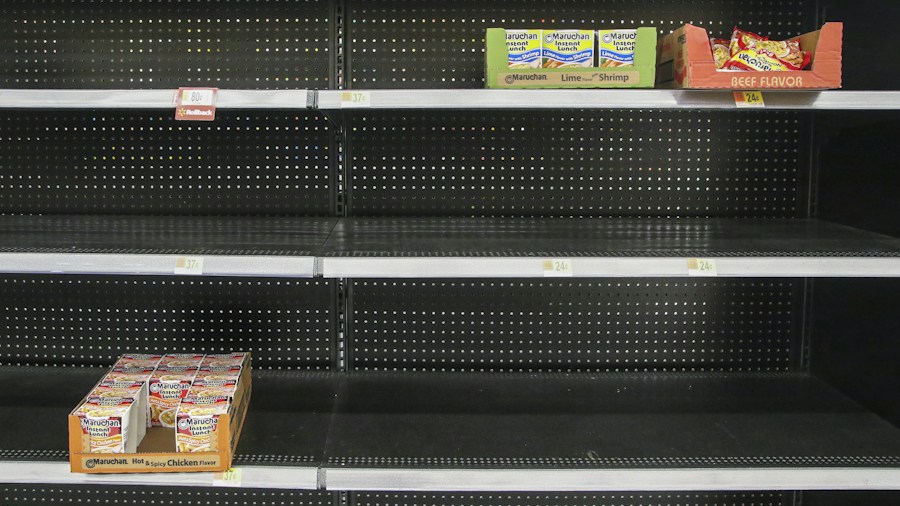
The timing of Shop to Light’s announcement is noteworthy. Walmart introduced this feature amid growing public concern about dynamic pricing, a practice where retailers adjust prices based on demand or customer data. The retailer sought to reassure customers by emphasizing that digital shelf labels are simply display tools, not pricing mechanisms that independently determine costs.
In a statement, Walmart clarified that digital shelf labels show prices that have already been approved through centralized pricing processes. Price changes are typically implemented outside shopping hours to keep costs stable and consistent throughout the day. This transparency directly addresses concerns about personal data influencing pricing decisions. Walmart’s leadership has publicly committed that the company will never adjust prices based on individual shopper information or manipulate costs based on product demand.
Regulatory Landscape and Market Response
Walmart’s focus on positive uses for digital shelf label technology reflects a shifting regulatory environment. Maryland’s Protection from Predatory Pricing Act, which took effect on October 1, prohibits retailers from using digital shelf labels to change food prices throughout the day. The law also prevents grocery stores and delivery services from applying customer personal data to set prices.
Maryland is not alone in this approach. Seattle became the first city to restrict retailers from using personal consumer data to change prices on groceries and essentials. Similar restrictions have passed in New Jersey and Connecticut, while California is actively considering comparable measures. New Jersey’s law even includes a one-year moratorium on installing new digital shelf labels, creating obstacles for retailers rolling out the technology system-wide.
These regulatory actions suggest that consumers and policymakers share concerns about surveillance pricing practices. By promoting Shop to Light’s customer benefits, Walmart appears to be reframing the narrative around its digital shelf label investments, emphasizing convenience and transparency over pricing optimization.
What This Means for Shoppers

For customers, Shop to Light offers genuine practical value. Large warehouse stores and supermarkets can be overwhelming environments where finding specific items wastes time and energy. The ability to activate a blinking light guide transforms the shopping experience, particularly beneficial for elderly shoppers, parents managing children, and anyone on a time crunch.
The feature also demonstrates that retail technology can prioritize customer convenience rather than corporate profit extraction. As Walmart continues to restructure and innovate its operations, initiatives like Shop to Light show an attempt to build trust and loyalty through genuine service improvements.
The broader rollout of digital shelf labels across Walmart and Sam’s Club stores, completed over the past year, provides the infrastructure for Shop to Light to function. Other major retailers including Kroger, Hy-Vee, Whole Foods Market, Sprouts Farmers Market, and Save Mart are also deploying digital shelf label systems, indicating industry-wide adoption of this technology.
Looking Forward
Shop to Light represents a potential turning point in how digital shelf labels are perceived. Rather than tools enabling surveillance pricing, the feature positions the technology as a shopper-friendly innovation. Whether this messaging shifts public opinion will depend on sustained commitment to fair pricing practices and transparent operations.
As more states and cities implement restrictions on dynamic pricing, retailers will face pressure to demonstrate that advanced shelf labeling technology serves customer interests first. Walmart’s latest move suggests the company is listening to these concerns and adapting its approach accordingly.
 Aldi Faces Lawsuit Over SNAP Delivery Fees: What Shoppers Need to Know
 Costco Emerges as Major Grocery Threat to Traditional Retailers What Shoppers Should Know
 Costco Overtakes H-E-B in Customer Satisfaction Rankings: What Shoppers Should Know
 Walmart Fall Deals Sale: What Shoppers Should Know About Early October Shopping
 Kroger Uses AI to Predict Ad Performance Before Spending Happens
 Kroger Tests 24 Hour Stores: What Shoppers Need to Know About the Expansion