
Why Kroger Is Making This Move
Before the COVID-19 pandemic, many Kroger stores operated around the clock. When lockdowns began, the company shifted its overnight hours toward deep cleaning and sanitization efforts, which became standard practice across the chain. Now, as operations have normalized and the retailer faces mounting competitive pressures, leadership is reconsidering whether around-the-clock service could help drive sales recovery. Kroger tests 24 hour stores as the company works to counter a notable sales slowdown that has forced management to trim its growth forecasts.
The timing of this initiative reflects broader challenges facing the supermarket operator. Earlier this year, Kroger reduced its full-year identical-store sales growth projection to between 0.2% and 0.8% excluding fuel, down dramatically from the previous guidance of 1% to 2%. The company cited pharmacy pricing headwinds and other market pressures as contributing factors to this revised outlook.
Industry Experts Voice Concerns

The pilot announcement has drawn considerable skepticism from retail professionals and industry observers. Richard Dorfner, a veteran store manager who spent years overseeing 24-hour locations, expressed serious doubts about the strategy’s viability. He noted that the modest sales gains from overnight hours do not justify the associated risks to employee safety and customer security. According to Dorfner, the model failed economically a decade ago and makes even less sense in today’s operational and cultural landscape.
Staffing challenges represent another major concern raised by sector analysts. Many Kroger locations are already stretched thin with existing daytime and evening crews. Employees are frequently reassigned to handle surge demands in online order fulfillment, leaving customer-facing aisles understaffed during peak hours. Extending operations to 24 hours would likely exacerbate these resource constraints without necessarily generating proportional revenue gains.
Security and public safety issues also factor prominently into industry commentary. Retail veterans have pointed out that overnight hours historically attract problematic behaviors including theft, loitering, and other incidents that require additional loss prevention resources and staff training. These operational headaches add costs that may offset any incremental sales volume gained from late-night shoppers.
What This Means for Shoppers
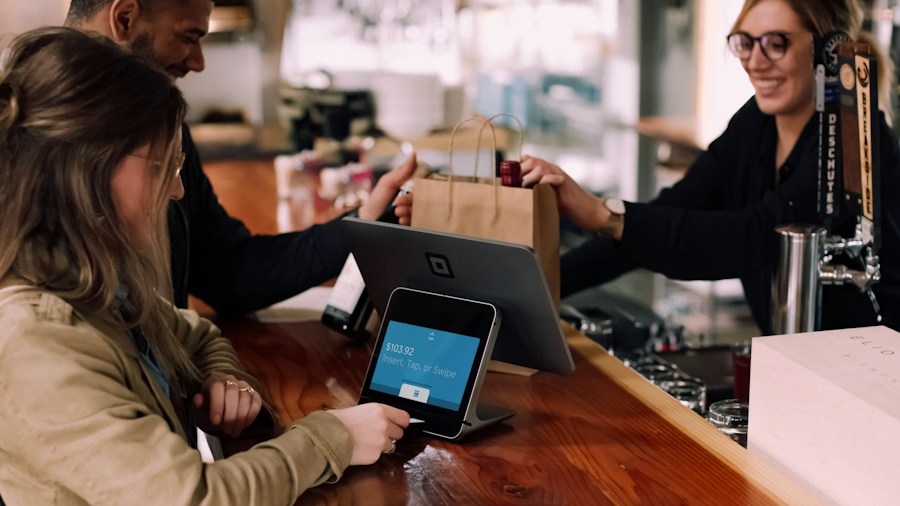
If Kroger’s pilot expands beyond the initial six test locations, customer convenience could improve in participating areas. Late-night and early-morning shoppers would no longer face store closures, which appeals to people working non-standard schedules, shift workers, and those with unpredictable routines. However, the expanded hours would likely come at a cost. Service quality, product freshness, and shelf stocking might suffer if the company spreads existing staff across more hours without proportional hiring.
Additionally, shoppers should monitor how Kroger digital innovations complement or substitute for in-store visits. The company may use overnight hours strategically for restocking and logistics rather than for high-volume customer traffic, meaning actual 24-hour shopping access could prove limited in practice.
The Bigger Picture
This pilot program illustrates how traditional grocers are under intense pressure to adapt to changing consumer expectations and competitive retail dynamics. Kroger competitive strategies increasingly focus on convenience and operational flexibility to retain market share against discounters, warehouse clubs, and online alternatives.
Whether the 24-hour expansion succeeds depends on careful execution and realistic assessment of financial returns. Kroger will need to balance customer convenience with practical workforce constraints and security considerations. The company’s willingness to test this concept signals that leadership recognizes the need for strategic innovation, even if the ultimate viability of 24-hour operations remains uncertain in the current retail environment.
 Walmart Activates Shop to Light Feature: What Shoppers Should Know
 Kroger Uses AI to Predict Ad Performance Before Spending Happens
 Kroger Brings Back 24 Hour Stores What Shoppers Need to Know
 Kroger Embraces AI to Bridge Digital and In-Store Shopping: What It Means for Customers
 Kroger Takes Stand Against Suppliers: What Shoppers Need to Know
 Walmart Executives Transform Kroger Leadership in Major Restructuring