Why Kroger Is Making This Move
The chain is facing mounting pressure to reverse recent financial struggles. Kroger recently trimmed its full year sales outlook to less than 1% growth excluding fuel, down significantly from earlier projections of 1% to 2%. The company now expects identical store sales growth between 0.2% and 0.8%, reflecting challenging market conditions and shifting consumer behavior.
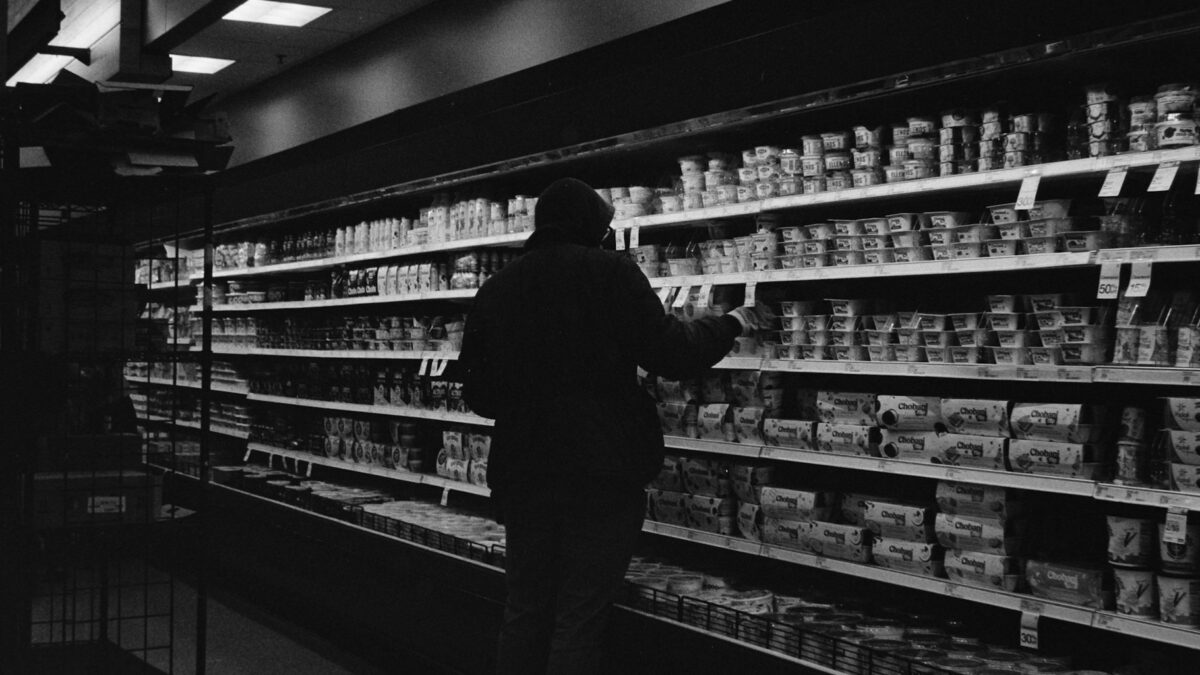
Extended store hours represent one potential solution to boost foot traffic and compete more effectively in an increasingly crowded grocery market. Before COVID 19 shut down 24 hour operations nationwide, Kroger relied on overnight hours for cleaning and sterilization. Now the retailer is exploring whether customers and profitability both benefit from returning to this model.
The Broader Context: Kroger’s Competitive Struggles
The 24 hour store test comes as Kroger faces intense competition from larger rivals. In just the past year, shoppers have shifted more than $12 billion in spending away from Kroger toward Amazon, Walmart, and Costco. The chain has directly lost over $1 billion in sales due to these shifts, according to recent market analysis.
Additionally, Kroger is managing disputes with major suppliers that have reduced product availability. Some stores have removed Boar’s Head deli items from shelves, while Red Bull energy drinks have become increasingly scarce across the network. These supply chain tensions add complexity to Kroger’s recovery efforts.
What Extended Hours Mean for Shoppers
If the pilot program proves successful, customers in participating markets could enjoy significantly more flexibility when purchasing groceries. Currently, Kroger stores operate between 6 a.m. and 10 p.m. or 11 p.m., which limits options for night shift workers, busy professionals, and late evening shoppers. A return to 24 hour service would eliminate that constraint entirely.
Round the clock operations could also benefit consumers seeking convenience items in the middle of the night or early morning hours. For families with unpredictable schedules, the ability to shop whenever needed addresses a real pain point that traditional hours cannot satisfy.
Staffing and Operational Challenges Ahead
Expanding to 24 hour operations requires substantial staffing investments. Kroger must hire enough employees to maintain service levels across all shifts while keeping labor costs manageable. This balancing act becomes even more complex given current wage pressures and competition for grocery workers across the industry.
The company will also need to evaluate whether 24 hour service justifies the operational costs, including utilities, security, and maintenance. The pilot program allows Kroger to gather real data on customer demand during overnight hours before making any broader rollout decisions.
A Potential Game Changer
Store hours might seem like a small operational detail, but they directly influence customer satisfaction and competitive positioning. Kroger’s commitment to improving customer convenience extends beyond just extending hours, but flexible shopping windows remain a fundamental expectation.
The company’s decision to test this format in Ohio and Indiana makes strategic sense. These regions represent core markets where Kroger maintains significant market share, making them ideal locations to measure consumer response and profitability impact.
What Comes Next
Kroger has not announced timelines for expanding 24 hour operations beyond the current six test locations. The retailer will likely monitor sales data, customer traffic patterns, and operational costs carefully before deciding whether to roll out 24 hour service to additional stores.
For shoppers concerned about store availability, the pilot program signals that Kroger recognizes extended hours as a competitive necessity. Whether this test proves successful could influence not just Kroger’s future strategy, but also set expectations for the broader grocery industry.
The coming months will reveal whether 24 hour Kroger locations attract meaningful additional traffic and whether the company can sustain profitability with expanded operations. In the meantime, customers in the test markets have an opportunity to experience what round the clock grocery shopping looks like in 2026.
 Amazon Delivery Contractors Closing in Los Angeles: What Shoppers Need to Know
 Costco Emerges as Major Grocery Threat to Traditional Retailers What Shoppers Should Know
 Walmart Activates Shop to Light Feature: What Shoppers Should Know
 Costco Overtakes H-E-B in Customer Satisfaction Rankings: What Shoppers Should Know
 Walmart Fall Deals Sale: What Shoppers Should Know About Early October Shopping
 Kroger Uses AI to Predict Ad Performance Before Spending Happens