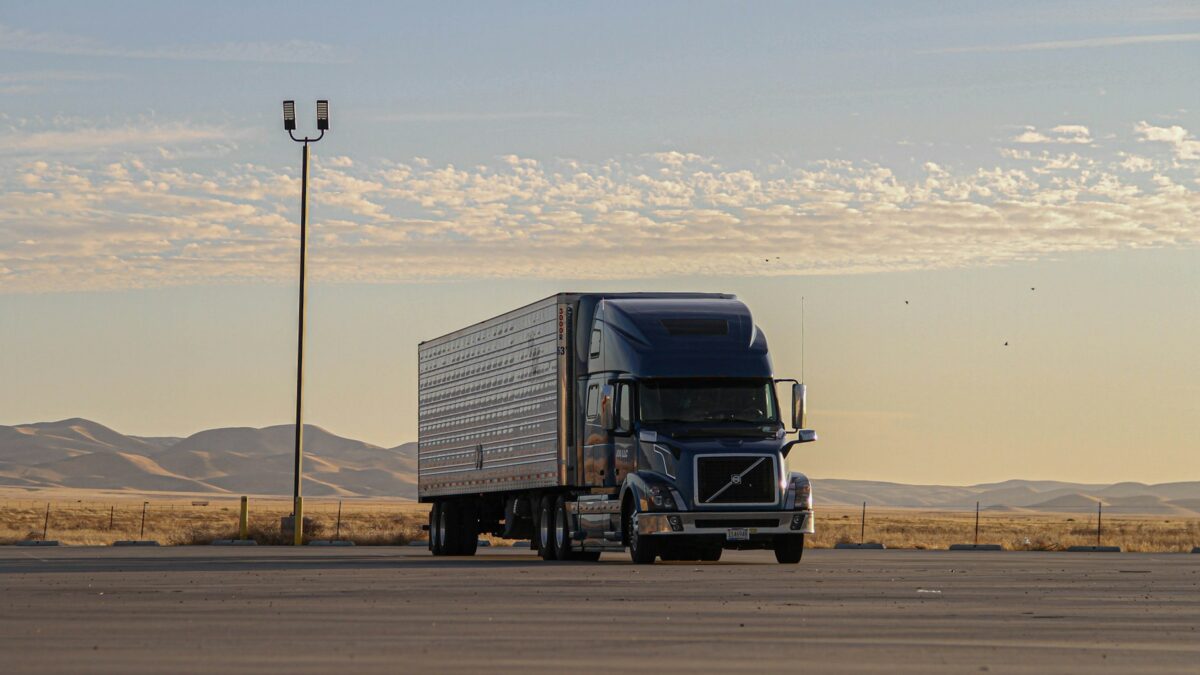
Multiple Amazon Delivery Services Shutting Down in California
Several Amazon delivery contractors across California have announced permanent closures and significant layoffs, marking a notable shift in the logistics landscape for online shoppers. In Los Angeles, two major independent delivery companies that handle Amazon package distribution have filed formal closure notices within recent weeks, affecting hundreds of workers and raising questions about delivery reliability in the region.
DLVR, a Culver City-based logistics company contracted to deliver Amazon packages, filed a Worker Adjustment and Retraining Notification (WARN) letter indicating permanent closure effective December 4. The company plans to lay off 60 employees. This closure comes as additional Amazon delivery contractors in the region have also announced their operations will end, signaling potential challenges for Amazon delivery services in California.
Capstone Delivery Inc., based in South Gate, filed a WARN notice on September 23 showing it will permanently close on November 21, with 106 employees facing layoffs. The company operates in the same space as DLVR, providing last-mile delivery services for Amazon customers throughout the greater Los Angeles area.
Broader Logistics Disruption Across the West Coast
The closures extend beyond Los Angeles. In July, OnPoint Logistics LLC filed notice to close its San Francisco operation effective September 7, eliminating 96 positions. XPress Delivery LLC, another Amazon delivery contractor, filed a WARN notice for permanent closure and mass layoff effective September 9, affecting 80 employees in Oakland.
These overlapping announcements suggest systemic changes in how Amazon manages its delivery network in the western United States. The company has increasingly relied on independent contractors rather than direct employment, a model that appears to be undergoing significant restructuring.
What This Means for Amazon Customers
The closure of multiple independent delivery contractors raises legitimate concerns for consumers who depend on Amazon for regular shipments. When a delivery partner shuts down, Amazon must quickly transition those customers to alternative contractors or internal logistics solutions. This transition period can lead to temporary delays in package arrivals and potentially reduced service quality during the handoff.
However, Amazon maintains redundancy in most major metropolitan areas, meaning that while individual contractors may close, alternative delivery methods typically remain available. The company has also been investing heavily in its own logistics infrastructure, allowing it to absorb some of the capacity lost when third-party contractors exit the market.
For customers in affected areas like Los Angeles and the San Francisco Bay Area, the most likely outcome is continued service with different delivery partners rather than complete disruption. Still, shoppers may notice occasional delays as Amazon reallocates delivery routes and contractor relationships.
Understanding the Contractor Collapse
Amazon relies on a network of independent delivery companies to handle the final leg of package delivery to customer doorsteps. These contractors operate under Amazon’s terms but maintain their own workforces and operational costs. When fuel prices rise, labor becomes harder to secure, or Amazon adjusts its payment structure, these smaller operators face razor-thin profit margins.
The recent wave of closures suggests that current economics make it increasingly difficult for mid-sized logistics operators to remain viable. Labor costs in California remain substantial, and the competitive pressure from larger competitors creates sustained pressure on these smaller delivery operations.
Broader Economic Trends
These closures occur against a backdrop of significant employment shifts in California. According to recent data, the state’s trade, transportation, and utilities sectors have shed approximately 2,600 jobs over the past year. Manufacturing has lost 3,800 positions, while professional and business services have declined by 5,700 jobs. These numbers indicate that the delivery contractor closures are part of a wider economic adjustment affecting multiple industries.
The Los Angeles County unemployment rate currently sits at 5 percent, suggesting that while the regional economy maintains relative stability, specific sectors are experiencing notable turbulence. Workers displaced by these delivery contractor closures may face a moderately challenging job market when seeking new employment.
What Customers Should Do
If you live in Los Angeles, San Francisco, or Oakland, monitor your Amazon delivery experience closely. If you notice changes in delivery timelines or patterns, this closure activity provides context for what may be happening behind the scenes. Consider these practices to protect your interests:
- Request photo proof of delivery for high-value items to prevent disputes
- Monitor package tracking closely and report any concerns to Amazon customer service immediately
- Take advantage of Amazon’s protection policies if packages go missing during service transitions
- Consider Prime membership features that offer extended return windows and additional protections
The closure of multiple Amazon delivery contractors represents a significant operational challenge for the company, but one that should not directly impact most customers’ ability to receive orders. Amazon’s scale and resources allow it to navigate these disruptions more effectively than smaller retailers could. By staying informed and understanding what is happening in your region, you can maintain realistic expectations about delivery timelines during this period of transition.
 Costco Emerges as Major Grocery Threat to Traditional Retailers What Shoppers Should Know
 Walmart Fall Deals Sale: What Shoppers Should Know About Early October Shopping
 Amazon Prime Settlement Expanded: Eligible Shoppers Can Receive Up to $200
 Kroger Brings Back 24 Hour Stores What Shoppers Need to Know
 Treasury Yields Hit 19 Year High: What Rising Interest Rates Mean for Your Wallet
 Costco Digital Sales Surge Past 33 Billion: What Shoppers Should Know