Costco’s Online Expansion Reshapes Shopping Options
Costco just reported a major milestone in its business expansion. During its fiscal fourth-quarter earnings announcement, CEO Ron Vachris revealed that digitally-enabled sales, which encompass purchases made through third-party delivery platforms, exceeded $33 billion in fiscal 2026 and grew by more than 20 percent year over year. This significant growth demonstrates how the membership warehouse giant is transforming beyond its traditional warehouse model.
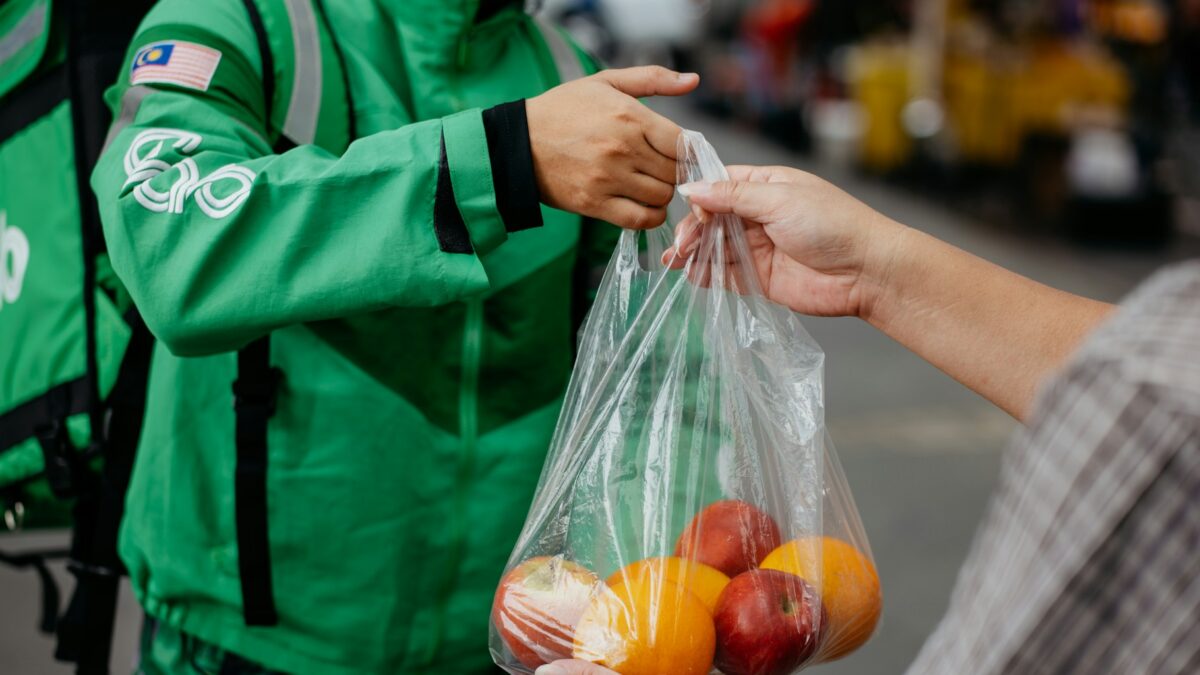
The surge in digital revenue reflects Costco’s deliberate strategy to meet members where they shop. Rather than limiting sales to in-warehouse transactions, the company has invested heavily in partnerships with major food delivery platforms. These collaborations allow members to purchase products online and have them delivered directly to their homes, fundamentally changing how shoppers access Costco merchandise.
New Delivery Partnerships Expand Access Nationwide

Costco has taken significant steps to broaden its delivery footprint across the United States. The company recently announced expanded partnerships with DoorDash and Uber Eats, making nationwide delivery available to members. To use these services, customers simply enter their Costco membership number at checkout to verify their eligibility.
These delivery integrations complement Costco’s longstanding relationship with Instacart, a partnership that began as a pilot program back in 2016. The Uber Eats rollout was particularly noteworthy: after testing the service in 17 states, Costco announced in mid-September that it would expand to all 50 states. This phased approach allowed the company to refine operations before going national, ensuring a smoother experience for members.
According to Vachris, these digital channel sales represent mostly incremental sales, meaning they are largely new purchases rather than customers switching from warehouse shopping. This distinction matters because it suggests the platforms are adding revenue without cannibalizing the core business that Costco has built over decades.
Attracting Younger Shoppers Fuels Long-Term Growth
One of the most compelling reasons Costco is investing in digital channels involves attracting a demographic that traditionally has not been a core part of its membership base: younger consumers. Since the Covid-19 pandemic, Costco’s membership among people under 40 has grown by more than 60 percent, and this age group now represents more than a quarter of all members.
Delivery platforms play a crucial role in this strategy. Younger shoppers often prefer the convenience of having groceries and household items delivered rather than visiting physical warehouses. By meeting these customers on platforms they already use, Costco gains access to a new generation of buyers.
The initial spending patterns of younger members are modest compared to longtime warehouse shoppers. However, Vachris emphasized that these members tend to increase their purchases over time. As they become more familiar with Costco’s value proposition and product selection, they transition into higher-spending members, creating long-term value for the company.
Broader Business Momentum Supports Growth Strategy

Costco’s digital expansion occurs within the context of robust overall business performance. For the full fiscal year, the company generated net sales of $297.2 billion, representing a 10 percent increase compared to the previous year. This solid performance across the core warehouse business provides a strong foundation for digital initiatives.
Several business segments contributed to this growth. The pharmacy division expanded by 20 percent during the year, driven by enhanced digital capabilities such as mobile payment options and pickup lockers. Additionally, prescription medications, including GLP-1 drugs and fertility programs, have become increasingly popular among members seeking comprehensive healthcare solutions.
Gas sales also reached an all-time high in terms of member penetration. As consumers faced economic pressures and sought ways to reduce household expenses, membership gas stations became an attractive value proposition. These multiple revenue streams demonstrate that Costco membership benefits extend well beyond traditional groceries and household goods.
What This Means for Shoppers
For Costco members, these developments translate into greater convenience and more flexible shopping options. You can now purchase from Costco without leaving home, using your existing membership credentials on platforms you likely already know. Whether you prefer traditional warehouse shopping or want items delivered to your door, Costco has positioned itself to accommodate both preferences.
The emphasis on younger member acquisition also suggests that Costco intends to remain relevant as consumer shopping patterns evolve. By embracing digital channels and delivery partnerships, the company demonstrates its willingness to adapt while maintaining the membership warehouse model that has defined its success.
Whether you are a longtime warehouse shopper or considering membership for the first time, Costco’s expansion into digital channels provides more pathways to access the products and services that have made the brand attractive to millions of American households.
 Amazon Delivery Contractors Closing in Los Angeles: What Shoppers Need to Know
 Aldi Faces Lawsuit Over SNAP Delivery Fees: What Shoppers Need to Know
 Costco Emerges as Major Grocery Threat to Traditional Retailers What Shoppers Should Know
 Walmart Activates Shop to Light Feature: What Shoppers Should Know
 Costco Overtakes H-E-B in Customer Satisfaction Rankings: What Shoppers Should Know
 Walmart Fall Deals Sale: What Shoppers Should Know About Early October Shopping