
What Walmart Is Changing
Digital price labels are replacing traditional paper shelf tags at supermarkets nationwide. These electronic displays allow store managers to change prices instantly from a central computer rather than having employees manually swap out paper tags. Walmart has already installed these labels in approximately 2,300 U.S. locations and plans to expand them chain-wide within the next year.
The shift offers practical benefits for retailers: it reduces labor costs, saves employee time, and ensures price consistency between shelf tags and checkout registers. However, the rollout has sparked concerns among shoppers and lawmakers who worry about how retailers might use this technology to their advantage.
The Privacy Pledge
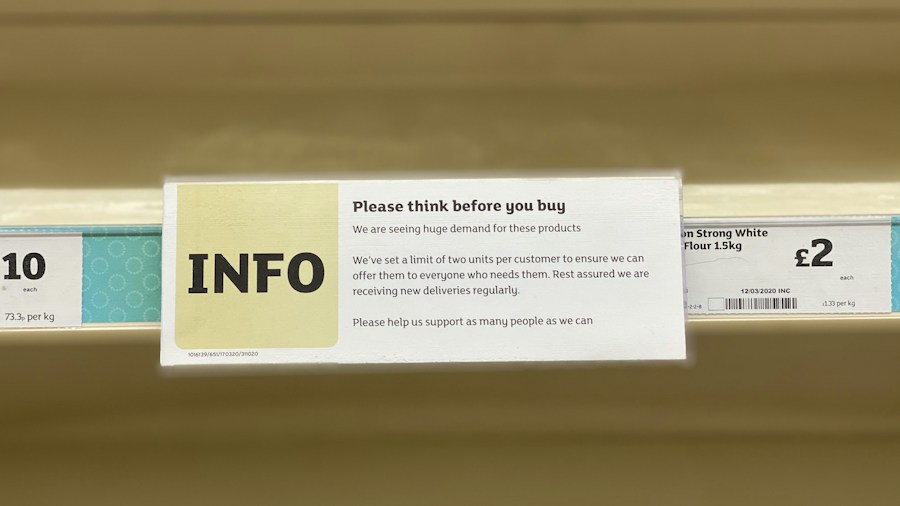
Walmart’s CEO made an explicit commitment regarding customer data and pricing: the company will not use income, shopping history, or personal preferences to charge different customers different prices for the same item. He also pledged that this practice would not change in the future. Furner emphasized that customers will pay the same price regardless of when they shop, whether buying groceries on a busy afternoon or rushing to purchase an item unexpectedly.
The company’s AI shopping assistant, Sparky, is subject to the same rules. Walmart’s service commitments extend to ensuring the tool won’t raise prices or hide lower-cost alternatives that meet a customer’s needs.
Why This Matters Now
The Federal Trade Commission recently signaled concerns about a practice called personalized pricing, where companies charge different customers different prices based on personal information. While the FTC stated it cannot ban personalized pricing in all circumstances, it issued new guidance warning companies that they must disclose how personal data influences pricing decisions.
This regulatory attention, combined with media coverage, has made consumers more aware of the potential for price discrimination in retail. Walmart’s public statement appears designed to reassure customers that the company is not engaging in this practice, even as it modernizes its pricing infrastructure.
When Prices Do Change
Furner acknowledged that Walmart does adjust prices, but only for legitimate reasons unrelated to customer demographics. The company lowers prices when it can pass cost savings to shoppers and raises them when product costs increase or transportation expenses rise. These changes reflect market conditions and supply chain factors, not customer profiling.
This distinction is important: price changes happen, but they apply uniformly across all customers. The company maintains that such transparent pricing aligns with its core business model of offering everyday low prices.
What This Means for Shoppers
The expansion of digital price labels will likely continue across the retail industry. As retail competition intensifies, technology like electronic shelf tags becomes standard practice. Walmart’s public commitment provides a benchmark that customers can reference when evaluating how other retailers handle pricing technology.
For shoppers, this development offers both opportunity and caution. The technology itself is neutral, but how companies use it matters significantly. Walmart’s pledge, combined with FTC oversight, suggests that major retailers face real scrutiny regarding pricing practices. However, consumers should remain vigilant about their own data and pricing practices across different retailers.
The rollout of digital pricing technology reflects broader changes in retail. As retail leadership evolves, so do the tools and systems that support store operations. Customers benefit when companies operate transparently about their practices and face accountability for their pricing decisions.
Key Takeaways
- Walmart is expanding digital shelf labels to all stores within the next year
- The company publicly commits to not using personal data for price discrimination
- Prices may still change based on costs and supply chain factors, not customer profiles
- Regulatory attention from the FTC is increasing scrutiny of personalized pricing practices
- Shoppers should stay informed about how retailers use their data in pricing decisions
 Costco Emerges as Major Grocery Threat to Traditional Retailers What Shoppers Should Know
 Walmart Activates Shop to Light Feature: What Shoppers Should Know
 Walmart Fall Deals Sale: What Shoppers Should Know About Early October Shopping
 Kroger Uses AI to Predict Ad Performance Before Spending Happens
 Amazon Prime Settlement Expanded: Eligible Shoppers Can Receive Up to $200
 Walmart Consolidates Fashion Teams What Shoppers Should Know