
Here are seven practical tips to help your business win customers through smarter last-mile delivery strategies, even when competing against household names.
1. Make Delivery Experience Your Competitive Edge
Walmart excels at price. Amazon dominates selection and convenience. But there’s one pillar where smaller and mid-sized retailers can genuinely outshine them: experience. Beyond merely arriving on time, your delivery can become a memorable part of the customer journey. Features like proof-of-delivery photos, the ability for customers to adjust delivery windows, or even direct driver contact transform a routine transaction into a relationship-building touchpoint. The appearance of your packaging and the care you put into materials inside the box also signal quality and attention to detail. This curated delivery experience is what pulls customers toward specialty retailers and away from impersonal conglomerates.
2. Request Advanced Services from Your Carriers

Don’t accept basic shipping as your only option. Be specific about the delivery features you need and request them explicitly from your carrier partners. Specialty retailers should ask for picture proof, time-window flexibility, driver communication tools, and other premium touches that set the experience apart. Your carrier wants to help you succeed, but they need clear guidance on what matters most to your customers.
3. Balance Data Metrics with Real Customer Feedback
Numbers tell part of the story, but they rarely tell the whole story. Track your on-time delivery rates and other performance metrics, but equally important, listen closely to what individual customers are saying. When someone reports a problem that contradicts your overall statistics, that’s a red flag worth investigating. You might discover a pattern you’re missing, or you might find an isolated issue that, if fixed, could prevent future churn. Customers expect you to act on their feedback quickly. They won’t tolerate being ignored twice.
4. Collaborate Deeply with Carriers, Not Just Transactionally
Shipping shouldn’t be something you hand off and forget about. Instead, develop genuine partnerships with your logistics providers. Have open conversations focused on solving problems together, not on squeezing the lowest possible price. Everyone wins when shippers, carriers, and customers all benefit from the arrangement. This means being vocal about challenges your business faces and transparent about what your customers actually need. Price-focused negotiations alone don’t create sustainable solutions.
5. Consolidate to One or Two Primary Carriers
Managing too many shipping partners creates complexity and inconsistency. Work toward having one or two primary carriers that provide the best balance of efficiency, service quality, and speed. This focus allows you to develop stronger relationships and ensure more consistent delivery experiences across your business. However, there’s a smart exception: regional carriers often excel in underserved areas, particularly rural communities. If a regional partner can deliver better service in a specific geographic area, it’s worth adding them to your mix.
6. Recognize Regional Carrier Strengths
Not every shipping solution works everywhere. Rural and super-rural areas are where regional carriers genuinely excel. If your customer base includes areas where large national carriers operate less efficiently, research smaller regional options. They understand local logistics challenges and can often provide faster, more reliable service in those zones. This isn’t about complexity for its own sake, it’s about matching the right solution to each market.
7. Invest in Packaging as Part of Your Experience Strategy
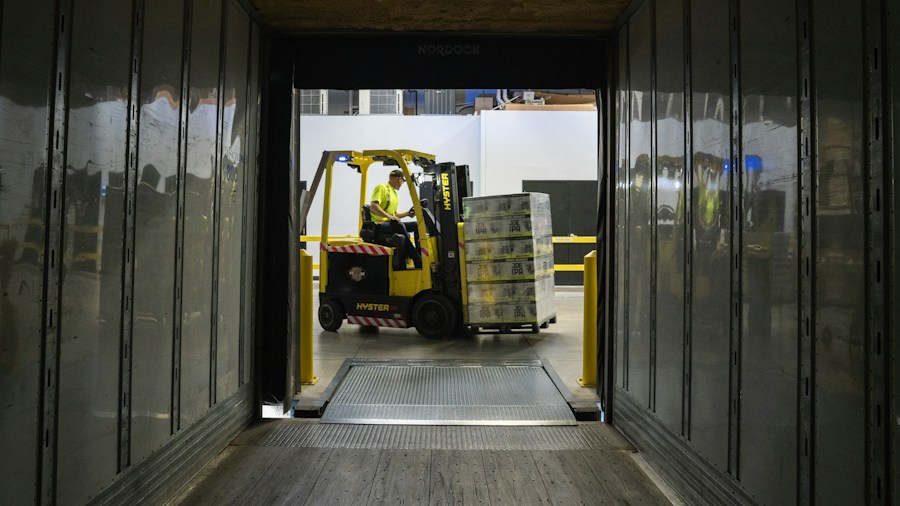
The box itself is your brand ambassador. How items arrive, how they’re protected, and the unboxing experience all communicate quality and care. Don’t default to generic packaging just because it’s cheaper. Thoughtful packaging choices reinforce why customers should choose you over larger competitors. This attention to detail lingers in memory long after delivery day.
The Bottom Line
You don’t need a trillion-dollar infrastructure to compete effectively in e-commerce. You need clarity about what makes your business different and the discipline to execute it consistently. Walmart and Amazon have proven that delivery matters enormously to shoppers. Use that insight to your advantage by making delivery personal, responsive, and memorable. That’s a competitive edge no volume of free shipping can match.
 Amazon Delivery Contractors Closing in Los Angeles: What Shoppers Need to Know
 Costco Emerges as Major Grocery Threat to Traditional Retailers What Shoppers Should Know
 Walmart Activates Shop to Light Feature: What Shoppers Should Know
 Walmart Fall Deals Sale: What Shoppers Should Know About Early October Shopping
 Amazon Prime Settlement Expanded: Eligible Shoppers Can Receive Up to $200
 Walmart Consolidates Fashion Teams What Shoppers Should Know