
The Silent Protest is Real
Nearly 4 in 10 people admit to what IKEA calls a “silent protest” – deliberately leaving clutter in shared spaces hoping someone else will deal with it. If you’ve left dirty dishes on the counter or a charging cable on the nightstand expecting a family member to clean up after you, you’re in good company. This behavior reveals how organization challenges impact household relationships and daily dynamics.
Kitchen Countertops Are the Biggest Battle

The kitchen emerges as the clutter hotspot in American homes. A striking 34 percent of respondents identified the kitchen countertop as the hardest surface to keep clutter-free. Keys, mail, small appliances and gadgets accumulate rapidly in this high-traffic zone, creating visual chaos and stress. This finding suggests that better kitchen organization solutions could significantly improve daily life for many households.
The Drawer of Doom Phenomenon
Most households maintain what’s affectionately called the “drawer of doom” – a catch-all space for items without a proper home. According to the research, 68 percent of people have at least one such drawer, and more than half say one drawer isn’t nearly enough. These spaces typically overflow with cables, chargers and cords from devices no longer in use. Notably, 54 percent of older men continue holding onto cables for gadgets they’ve already discarded, reflecting a reluctance to let go of outdated technology.
We Keep Things We Never Use
Sentimental attachment plays a powerful role in what we store. The report found that 82 percent of respondents keep items purely for emotional reasons, even when they rarely use them or keep them hidden away. Interestingly, men are 6 percent more likely than women to conceal mementos from past relationships, suggesting gender differences in how we process and display sentimental objects.
Lost Time Adds Up Quickly
Disorganization costs us real time. People in India spend an average of 80 minutes daily searching for misplaced items – equivalent to two extra weeks each year compared to UK residents who average just 15 minutes daily. Gen Z faces particular challenges, with 11 percent spending 30 minutes or more per day hunting for chargers and other essentials. These lost minutes accumulate into significant productivity losses throughout the year.
We Cancel Plans to Avoid Embarrassment
Home clutter creates genuine social anxiety. One in 10 people has actually canceled dinner parties or postponed visiting friends because their home was too messy. Additionally, 34 percent of respondents admit to frantically moving clutter from room to room just before guests arrive. This behavior demonstrates how deeply housing appearance affects our confidence and social participation.
The Perfect Home Is Dead
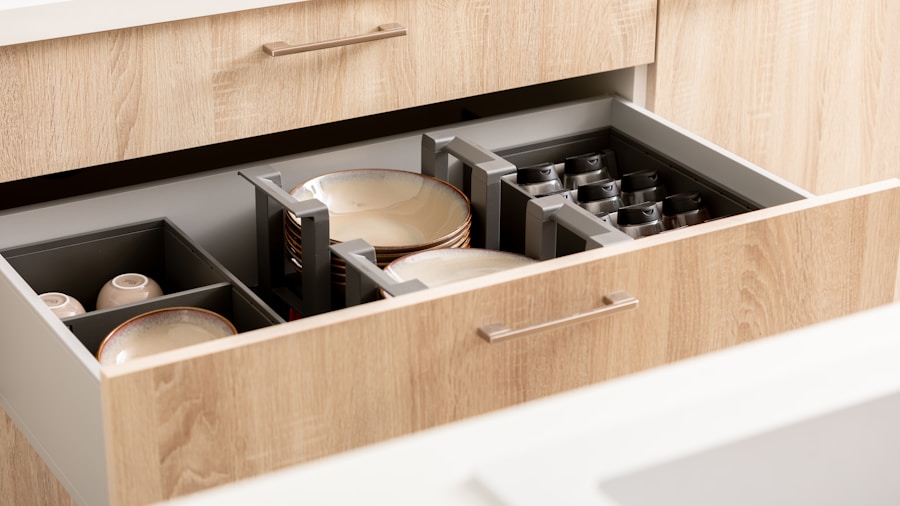
Perhaps the most encouraging finding from the research is this: 59 percent of survey participants prefer a lived-in environment over a minimalist one. The era of striving for picture-perfect homes has ended. Instead, people now seek spaces that reflect their personalities, stories and the objects that genuinely matter to them. This shift away from sterile perfection toward authentic, meaningful living spaces represents a major change in how Americans view their homes.
According to IKEA’s Home Furnishing and Retail Design Manager, “People aren’t chasing a perfect home anymore. They want a home that feels like them – one that holds their stories, their memories, the things that matter.” This philosophy aligns with what shoppers increasingly value: spaces that work for their actual lives rather than spaces designed to impress others.
What This Means for Shoppers
The findings suggest that investing in smart storage solutions could meaningfully reduce household tension and reclaim lost time. Rather than pursuing minimalism or perfection, shoppers should focus on organizational systems that accommodate their real habits and belongings. Kitchen drawer dividers, utility carts, cable management solutions and designated storage zones can help contain clutter without eliminating the personality that makes a house feel like home. The key is accepting that a truly livable space will have character, history and yes, occasional clutter – and that’s perfectly acceptable.
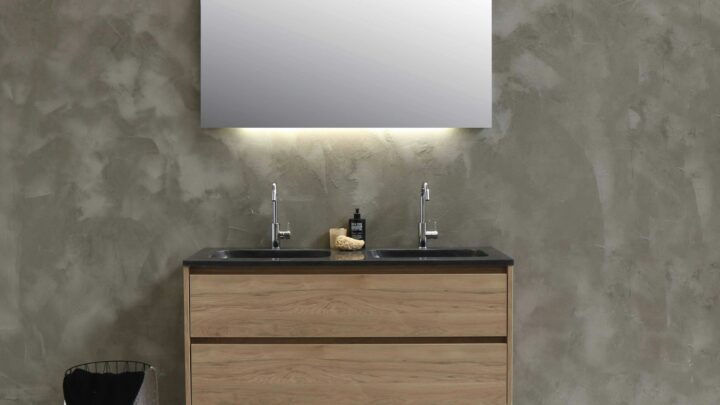 IKEA TREASJÖN Mirror Cabinet Combines Storage and Lighting: What Shoppers Should Know
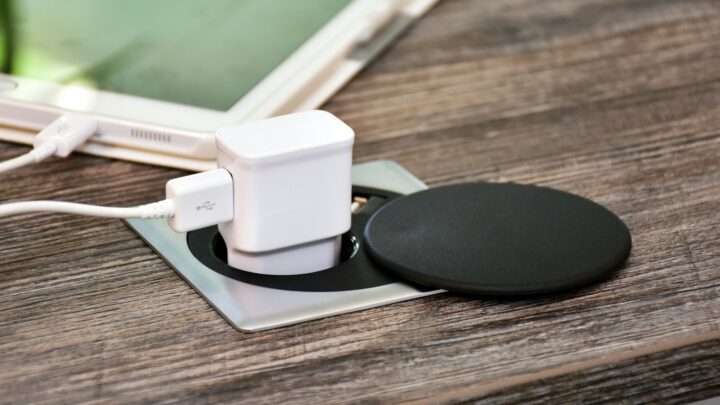 Ikea Västmärke Qi2 Wireless Charging Stand Arrives: What Shoppers Should Know
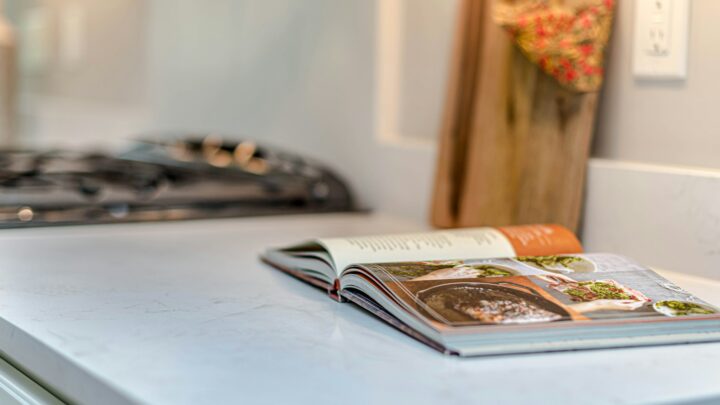 IKEA Kitchen Accessories Sale: Five Budget Picks Under $30 for Your Renovation
 IKEA Teams Up With Xbox on Mystery Furniture Collaboration What Shoppers Should Know
 Which Stores Refund the Price Difference If the Price Drops
 IKEA Price Adjustment Policy: 14-Day and 90-Day Windows Explained