
The persistence of inflation well above the Federal Reserve’s 2% target reflects a complicated economic landscape. Geopolitical tensions, including the U.S. and Israel conflict that began in late February, have kept energy prices elevated. Meanwhile, President Trump’s trade threats targeting Canada and China threaten to push prices even higher. When this measure stood at 2.9% in February, economists hoped a downward trend was underway. Instead, inflation has climbed and now sits stubbornly out of reach of the Fed’s goal.
What’s Driving Higher Prices
Several forces are working against shoppers right now. Energy costs remain a major factor, though gas prices did drop 2.7% from June to July before rebounding this month to around $4.10 per gallon. Grocery prices showed a slight decline of 0.1%, offering minimal relief at the checkout. However, car prices jumped 0.4%, and housing and utility costs rose 0.3%. The cost of computer chips, gaming consoles, and other electronics has also climbed as spending on artificial intelligence infrastructure has accelerated.
Core inflation, which excludes the volatile food and energy categories, also held flat at 3.3% in July. This measure had fallen to 2.6% before tariffs were imposed in April 2025, demonstrating how policy decisions ripple through the economy and directly affect what you pay for everyday items.
Impact on Your Wallet
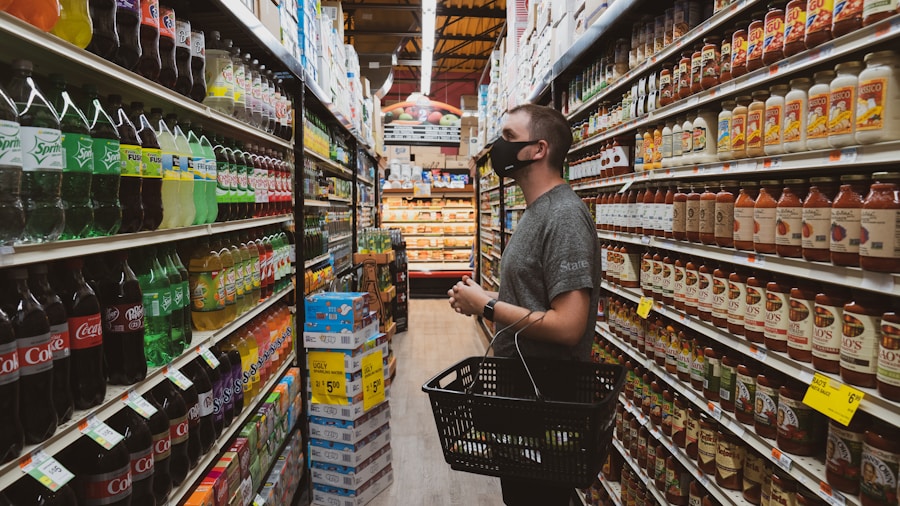
The good news is that real incomes grew 0.4% in July when adjusted for inflation, the strongest gain since February. However, when looking back over a full year, wage growth has merely kept pace with rising prices, leaving many households without real purchasing power gains. Consumer spending, adjusted for inflation, remained flat in July, suggesting Americans may be becoming more cautious with their money as high prices persist.
Those shopping for homes face additional pressure. Borrowing costs for mortgages and auto loans have climbed as uncertainty about the Federal Reserve’s next moves has pushed up longer-term interest rates. Credit card interest rates have risen as well, making debt more expensive across the board. The yield on 30-year Treasury bonds recently hit a 19-year high, prompting Treasury Secretary Scott Bessent to announce increased government bond buybacks to stabilize markets.
What the Federal Reserve May Do

The Federal Reserve faces a delicate balancing act. Most officials favor holding interest rates steady to see whether inflation will cool naturally, but a growing number believe raising rates is necessary to combat stubborn price increases. New Federal Reserve Chair Kevin Warsh is expected to provide clarity on the central bank’s direction in a high-profile speech at Jackson Hole, Wyoming, this Friday. Wall Street will be watching closely for any hints about future policy shifts.
Fed officials have noted that if core inflation continues to rise at 0.2% per month, it would be reassuring evidence that prices are heading back toward the 2% target. The July monthly data showed core prices moved up exactly 0.2%, which represents a tick upward from 0.1% in the previous month. However, this single month of data doesn’t yet confirm a broader trend.
What This Means for Shoppers
Inflation has become a defining issue for Americans, affecting everything from grocery budgets to mortgage applications. With elections just weeks away, higher costs are shaping political conversations nationwide. The conflict in Iran continues to influence energy markets, while trade tensions add further uncertainty. Your income may be keeping pace with current inflation, but gaining ground seems unlikely unless the Fed takes action or global conditions shift.
For now, shoppers should remain cautious about large purchases that depend on borrowing. The uncertainty about interest rates means that delaying a home or car purchase could result in lower financing costs down the road. Understanding that inflation protection strategies exist can help you make smarter financial decisions. Keep a close eye on gas prices and energy costs, as any spikes will quickly feed into broader inflation readings and hit your household budget hard.
 Inflation Surges Again: What Rising Prices Mean for Your Wallet
 Safeway and Target Lead in Grocery Delivery and Pickup What Shoppers Should Know
 Walmart Fall Deals Sale: What Shoppers Should Know About Early October Shopping
 Consumer Confidence Hits 12 Year Low as Inflation Pressures Shoppers
 Treasury Yields Hit 19 Year High: What Rising Interest Rates Mean for Your Wallet
 Major Economic Reports This Week: What Inflation Data Means for Your Shopping Budget