
Energy Prices Ignite Inflation Concerns
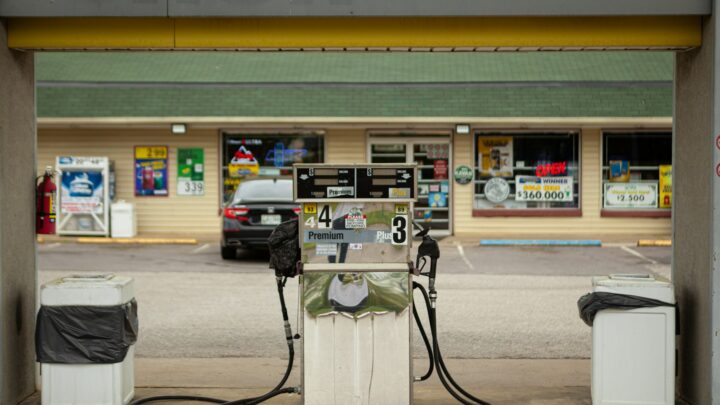
Ongoing conflicts in Iran and Ukraine have created supply disruptions in global energy markets, leading to dramatic spikes in both gasoline and diesel prices. Regular gasoline prices have climbed approximately 47% since late February, while diesel has skyrocketed by 70% over the same period. Although consumers do not directly purchase diesel for personal use, the fuel powers shipping fleets and agricultural operations, meaning these cost increases eventually reach store shelves in the form of higher product prices.
Manufacturing surveys confirm the pain is real. Business leaders reported that price pressures intensified in September at the fastest pace in four years. Supply chain costs jumped noticeably, forcing companies to make difficult decisions about whether to absorb losses or pass expenses directly to consumers.
Mortgage Rates Hit Three Year High
The inflation spiral is reshaping the housing market in ways that directly impact the American dream. Mortgage rates have climbed to their highest levels since late 2023, with 30-year fixed rates approaching 7.54% as of early October. This surge stems from rising Treasury bond yields, which jumped to their highest point in nearly two decades as investors reassess inflation expectations.
The 10-year Treasury yield alone reached 5.34%, marking its largest quarterly increase since 1994. These moves suggest financial markets believe price pressures will remain elevated for months to come. For prospective homebuyers, the math has become brutal: a half-percentage-point increase in mortgage rates can add tens of thousands of dollars to the total cost of owning a home over 30 years.
Affordability Crisis Deepens Across Households

Economic researchers warn that consumer confidence faces mounting pressure as living costs outpace wage growth for many workers. The number of homes sitting unsold recently hit its highest level in more than a decade, signaling that fewer families can afford to enter the housing market at prevailing prices and rates.
Inflation measures released from the Federal Reserve showed a slight slowdown in year-over-year price growth to 3.4% from an expected 3.7%. However, economists noted this improvement was largely driven by a technical change in how the data is calculated, not by genuine relief in actual costs. Core measures that exclude food and energy also disappointed, with inflation in sectors like housing and services remaining stubbornly high.
As one prominent chief economist put it, the situation is “cooler on paper, hot underneath.” When you exclude volatile energy and food categories, super core inflation still climbed 0.4% in September alone. For shoppers buying groceries, paying for utilities, or looking at rent increases, the official statistics do not reflect the reality of their checkbooks.
What Comes Next for Your Budget
The path forward remains uncertain. Financial markets are pricing in roughly a 60% probability that the Federal Reserve will raise interest rates again at its December meeting, which would make borrowing even more expensive. Higher rates could cool demand and eventually reduce inflation, but the transition period will likely prove painful for households already stretched thin.
The Trump administration is considering various policy responses, including potential bans or restrictions on diesel exports and diplomatic efforts to encourage European allies to release emergency fuel stockpiles. Experts remain divided on whether these measures would provide meaningful relief or create unintended consequences that worsen shortages.
For now, shoppers should prepare for inflation to remain elevated in the near term. Budgeting for higher grocery bills, gasoline expenses, and utility costs makes sense. If you are considering a major purchase like a home or vehicle, timing matters more than ever. Delaying might mean waiting for rate cuts, but waiting also risks prices climbing higher. Understanding your own financial priorities and constraints will help you navigate this inflationary environment more effectively.
 Inflation Remains Stubbornly High: What This Means for Your Shopping Budget
 U.S. China Tariff Cuts What Shoppers Need to Know
 Inflation Pushes More US Households Into Financial Vulnerability: What Shoppers Should Know
 Gas Price Surge What Shoppers Should Know Before the Holidays
 Federal Reserve Rate Hike Expected as Tariff Pressures Build on Inflation
 Federal Reserve Rate Hike Expected After Inflation Stays Hot