
How Gas Prices Are Rising and Why
The core driver behind current fuel spikes traces back to attacks on key oil infrastructure, particularly Saudi Arabia’s vital pipeline systems. When critical energy transport routes face disruption, global oil prices respond quickly, and American consumers feel the impact at the pump within days. Recent weeks have seen several states hit particularly hard. Wisconsin residents watched prices jump 61 cents in eight days alone, while Nashville drivers saw prices exceed $4 per gallon for the first time in months. Analysts warn that further increases may still be coming as supply chain disruptions continue.
What This Means for Your Holiday Shopping Costs
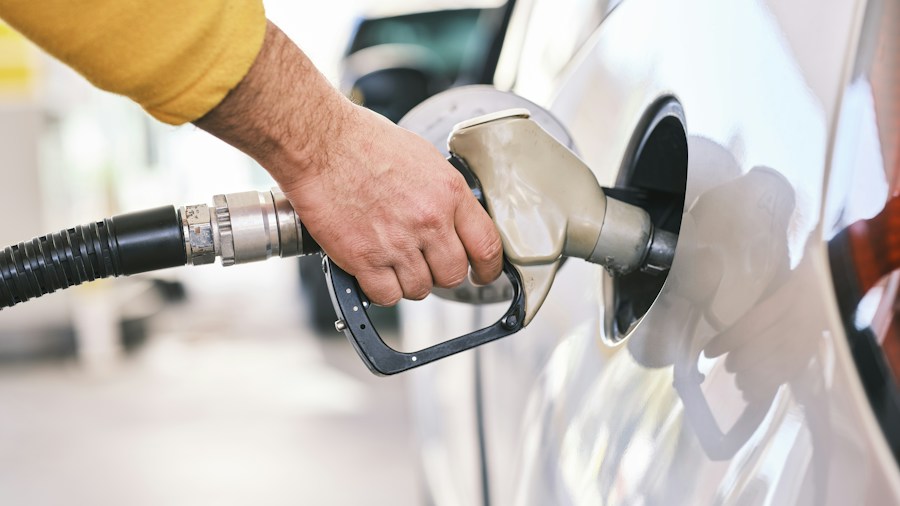
Rising fuel prices create a direct squeeze on consumer budgets during the most important retail season of the year. When shoppers spend more money filling up their cars, they have less to spend on gifts, decorations, and holiday meals. Industry experts anticipate that higher gas costs could push some consumers to shift their shopping habits entirely, opting for more online purchases to avoid multiple driving trips to stores. Others may simply reduce their overall holiday spending to offset fuel expenses.
The concern extends beyond just commuting costs. Price increases at the retail level may accelerate if carriers pass additional fuel surcharges to businesses. Major shipping companies like FedEx are already charging domestic shipping fuel surcharges at rates exceeding 32 percent, which is near record highs. When carriers increase these fees, retailers often absorb some costs but may pass others along to customers through higher prices or reduced discounts.
Supply Chain Impact: The Good News and the Risks
One bright spot in this scenario is that many retailers already positioned themselves well before this recent fuel spike. Most major store chains imported their holiday inventory months ago, bringing products into the United States before gas prices began climbing sharply. This means widespread product shortages are unlikely, and store shelves should remain adequately stocked through November and December.
However, the logistics picture remains complicated. Shipping companies continue to add fuel surcharges to every shipment, and these fees fluctuate weekly based on diesel and jet fuel prices. Even though retailers have inventory on hand, the cost of moving that inventory to distribution centers and individual stores keeps rising. Brands and retailers with smart shopping strategies are negotiating with multiple carriers to spread their shipping costs and reduce exposure to any single carrier’s rate increases.
Peak season surcharges, which carriers always implement between now and mid-January, have been announced by FedEx, UPS, and the U.S. Postal Service. These surcharges exist to account for the massive volume surge during the holidays. What makes this year different is that these standard peak surcharges are stacked on top of fuel surcharges that are already at near-record levels, creating a double burden for logistics operations.
Will Retailers Discount More to Keep You Shopping?

If consumer spending does soften because people are pinching pennies at the pump, retailers may lean on heavier discounting to move merchandise. Analysts predict that promotional activity could intensify as early as next month, with deeper discounts appearing throughout November and December. This could actually work in shoppers’ favor, but it may also signal that retailers are worried about demand.
The retail industry has become more resilient to unexpected shocks over the past five years, having navigated pandemic-related supply chain chaos and demand swings. This experience means most major retailers have contingency plans and are prepared to adapt their strategies if fuel prices continue climbing or if shoppers significantly cut back spending.
What You Should Do Now
Start your holiday shopping earlier rather than later. With potential for continued fuel price volatility and increased shipping costs, getting purchases in now locks you in before potential price escalations take effect. Consider consolidating shopping trips to save on gas, and explore online ordering for smaller items to reduce driving time. Watch for promotional announcements from major retailers, as aggressive discounting may emerge sooner than in previous years. Finally, if you have flexibility in your holiday budget, remember that experiences and smaller gifts may stretch your dollars further than they did during previous holiday seasons when fuel costs were lower.
 Inflation Surges Again: What Rising Prices Mean for Your Wallet
 Walmart Fall Deals Sale: What Shoppers Should Know About Early October Shopping
 Inflation Remains Stubbornly High: What This Means for Your Shopping Budget
 Amazon Prime Settlement Expanded: Eligible Shoppers Can Receive Up to $200
 Walmart Consolidates Fashion Teams What Shoppers Should Know
 Walmart CEO Confirms No Personal Data Used in Pricing What Shoppers Should Know