What Happened with the Tariffs
Tariffs imposed on imported goods forced many retailers to make a difficult choice: absorb the costs or pass them along to consumers. One national discount chain opted to raise prices on affected items, using red stickers to mark which products were impacted. According to the lawsuit, some items saw price increases as steep as $1.75, which is substantial for a discount retailer where most items traditionally stay under a dollar or two.
The company then applied for tariff refunds from the federal government, a legal option available to businesses that paid the tariffs upfront. As of August 1, the retailer sought approximately $379 million in tariff refunds and received roughly $369 million, plus an additional $14 million in interest. This money represented compensation for tariffs the company had actually paid.
The Core Issue: Double Recovery
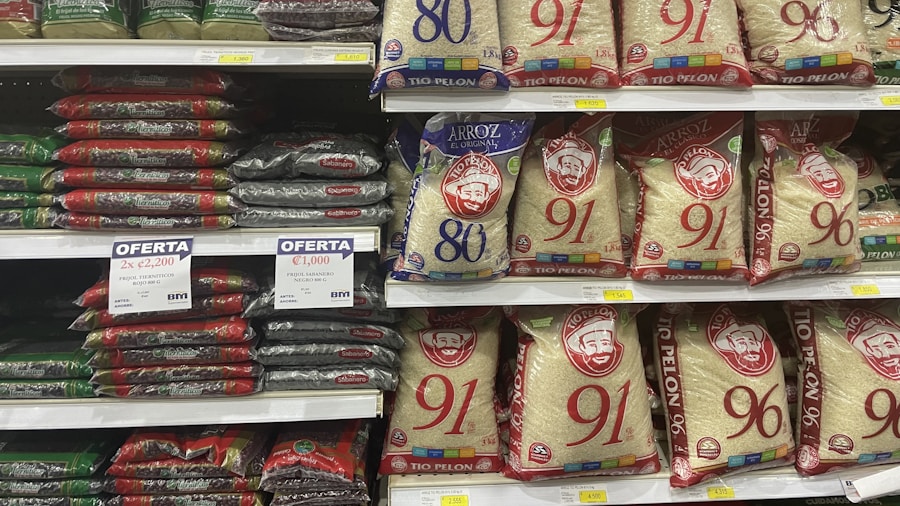
Here is where the lawsuit’s central complaint comes in. The plaintiffs argue that customers paid higher prices to cover tariff costs while shopping. Then, when the company received government refunds for those same tariffs, consumers saw none of that money returned to them through lower prices or refunds of their own. This situation is what attorneys call “double recovery”: the retailer allegedly kept both the extra revenue from price increases and the government refund money.
Alexis Fennessy, one of the customers named in the complaint, noticed these price increases firsthand while shopping at the retailer’s Virginia locations after tariffs took effect. She and nine other plaintiffs filed the lawsuit in U.S. District Court for the Eastern District of Virginia, seeking compensation on behalf of all affected shoppers.
Understanding how tariff impacts ripple through retail can help you recognize similar situations at other stores.
Who Could Be Affected
The lawsuit is structured as a class action, which means it could cover a large group of consumers. The primary class would include anyone who purchased items at the retailer’s stores between February 1, 2025, and February 24, 2026. The complaint also proposes state-specific classes in nine additional states, potentially broadening the scope even further.
If the lawsuit succeeds, affected customers could be entitled to reimbursement equal to the portion of their purchases that was tied to tariff-related price increases. In other words, you might receive back the difference between what you actually paid and what you would have paid without the tariff markup.
What This Means for Shoppers
This case highlights an important principle for consumers: companies receiving government refunds or relief should ideally pass some or all of those benefits back to the customers who ultimately paid for them. When a business raises prices to cover costs and then receives compensation for those costs without adjusting prices downward, customers bear the full financial burden.
The lawsuit serves as a reminder to monitor price increases at your favorite retailers and ask questions when they seem unusual. While retail businesses have legitimate reasons to adjust pricing in response to external costs, transparency about those adjustments and fairness in handling refunds matters to your wallet.
Similar issues with tariff price adjustments have emerged across the retail landscape, making it worth staying informed about how these policies affect the prices you pay.
Next Steps in the Legal Process
The lawsuit is still in its early stages, and the outcome is not yet determined. However, the case raises questions that extend beyond this single retailer. As tariffs continue to influence consumer pricing strategies across industries, scrutiny of how companies handle refunds and price adjustments will likely intensify.
If you shopped at the retailer during the specified time period and noticed price increases, you may want to monitor this lawsuit for updates. Class action settlements typically notify affected customers, though the process can take considerable time to resolve. In the meantime, remaining aware of pricing practices and asking retailers about sudden cost increases is always a smart shopping strategy.
 Walmart Fall Deals Sale: What Shoppers Should Know About Early October Shopping
 Amazon Prime Settlement Expanded: Eligible Shoppers Can Receive Up to $200
 Walmart Consolidates Fashion Teams What Shoppers Should Know
 Walmart CEO Confirms No Personal Data Used in Pricing What Shoppers Should Know
 Walmart CEO Defends Digital Price Labels Against Shopper Concerns
 Walmart Digital Price Labels What Shoppers Need to Know About the New Technology