What Triggered Canada’s Response
The trade conflict intensified after negotiations between the two countries collapsed on August 21. The US imposed a fresh round of tariffs on Canadian goods, prompting Canada’s Prime Minister to declare the country is “at war” economically. Canada’s retaliation matches Washington’s tariffs dollar for dollar and rate for rate, covering approximately 6% of the $333.6 billion in US exports to Canada annually. The measures took effect at 12:01 a.m. on Tuesday through an executive action known as an order in council.
According to analysis from the Royal Bank of Canada’s economics research arm, these tariffs are unlikely to significantly reduce overall US economic growth. However, they will hit specific sectors and businesses substantially harder than others, particularly those reliant on cross-border trade.
Products Most Likely to See Price Increases

American consumers should expect to feel the impact in several key categories. Steel and aluminum products will face substantial tariffs, affecting everything from construction materials to household items. Dairy products like cheese face a 25% rate, which could raise prices at grocery stores nationwide. Appliances, clothing and cosmetics are also on Canada’s tariff list, meaning shoppers may notice higher prices across home goods and personal care aisles.
Farm equipment is another major target, which could have ripple effects on agriculture-dependent regions. Additionally, alcohol restrictions imposed by eight Canadian provinces have already proven effective: US spirits exports to Canada fell more than 70% year-over-year after those provincial bans took effect, demonstrating how Canadian tariffs impact US goods at a significant scale.
The Bigger Picture for Trade
This escalating conflict represents far more than a routine trade dispute. Political analysts note that how Canada responds to American economic pressure will signal to other US allies whether smaller nations can successfully resist tariffs without capitulating. Canadian historian Robert Bothwell explained that the Trump administration likely aims to make an example of Canada to discourage other countries from resisting similar trade actions.
The situation has become personal and symbolic. The US threatened to ban sales of Canadian aircraft manufacturer Bombardier unless production moves to America. Trump also famously renamed Lake Ontario as “Lake America” on social media, a move that Google and Apple adjusted on their US maps but Canadian officials rejected outright. These provocations have galvanized Canadian public support rather than forcing concessions, strengthening the government’s position domestically.
Auto Industry Faces Potential Devastation
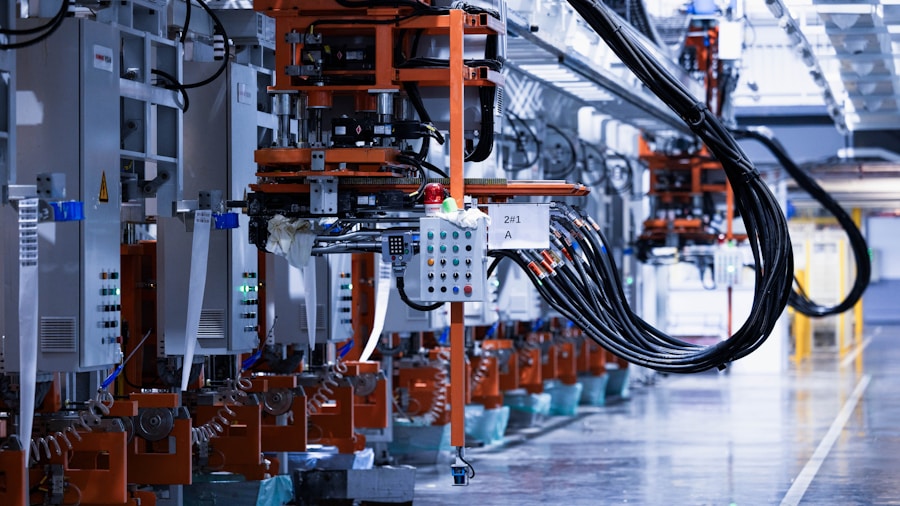
Perhaps the most serious threat for American consumers involves vehicles and auto parts. Trump has threatened 50% tariffs on Canadian vehicles, auto parts and steel starting next year if Canada does not “fall in line.” This escalation could prove devastating given that North American auto supply chains are deeply integrated, with parts and finished vehicles crossing the border repeatedly during manufacturing. A 50% auto tariff would likely raise vehicle prices across North America and potentially reduce manufacturing capacity on both sides of the border.
Industry experts warn that tariff impacts on integrated supply chains could fundamentally reshape how cars are built in this region. Canadian government officials have stated that Washington’s demands could gradually wind down Canadian factories and eliminate entire industries within the country.
Can Canada Win This Trade War
Canada enters this fight at a significant disadvantage: the US economy is roughly 13 times larger, and more than 70% of Canadian exports flow southward. However, political scientists point out this is not a typical trade conflict. The US has domestic vulnerabilities, including dependence on 4 million barrels of oil per day from Canada and reliance on Canadian potash fertilizer for American agriculture.
Canada’s government has shown economic momentum heading into this dispute, with second-quarter growth at 3.2% annualized, more than double the US rate of 1.5%. Industry officials have expressed confidence in Canada’s ability to prevail, though Canadian leaders have so far ruled out weaponizing energy exports or restricting critical resources to apply pressure.
Whether Canada can successfully resist American tariff demands remains uncertain, but global observers are watching closely. If Canada’s defiant approach succeeds, it could provide a template for other nations facing similar economic pressure from the US administration. For American shoppers, the outcome will directly affect grocery bills, appliance prices, and tariff consequences for vehicle prices in the months ahead.
 Inflation Surges Again: What Rising Prices Mean for Your Wallet
 Inflation Remains Stubbornly High: What This Means for Your Shopping Budget
 U.S. China Tariff Cuts What Shoppers Need to Know
 Tariff Impact on Toy Collectibles: What Collectors and Shoppers Should Know
 U.S. China Trade Truce Extended Through January: What It Means for Your Shopping
 Gas Price Surge What Shoppers Should Know Before the Holidays