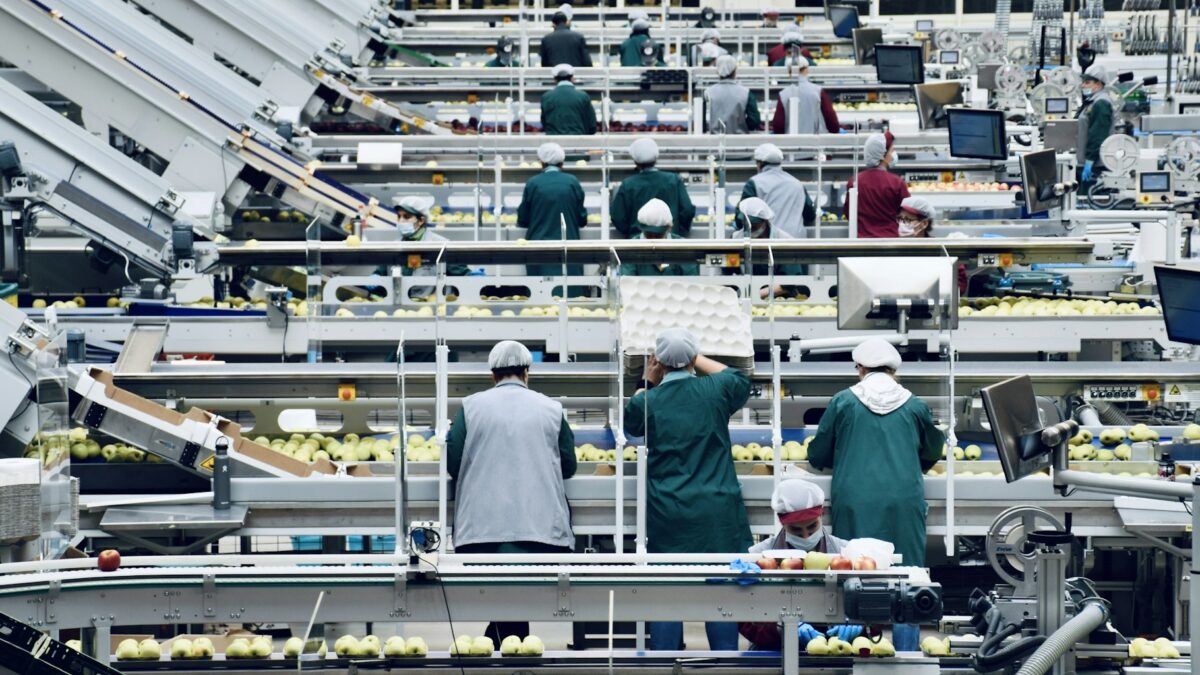
The German automaker, which employs around 650,000 people globally, faces a perfect storm of economic challenges. The company reported a 30 percent decline in after-tax earnings during the first half of the year as sales faltered in China, its crucial market. Now, with tariff concerns mounting and global tariff tensions reshaping how manufacturers operate, leadership decided drastic action was necessary.
What the Plan Includes
CEO Oliver Blume’s restructuring strategy cuts the company’s vehicle model lineup by roughly half. Volkswagen currently has excess production capacity of 500,000 vehicles across Europe, which the company cannot sustain profitably. To address this overcapacity, the automaker will cease auto production at plants in Emden, Zwickau, Hanover, and Neckarsulm, though the company indicated it would explore alternative uses for these facilities.
By reducing the number of models, Volkswagen aims to increase production volumes per vehicle type, which in turn lowers per-unit manufacturing costs. The plan also calls for streamlining leadership structures and shortening decision-making processes to operate more efficiently. The company owns multiple brands including Audi, Skoda, Porsche, and SEAT, all of which will be affected by the consolidated strategy.
How Tariffs Created This Crisis
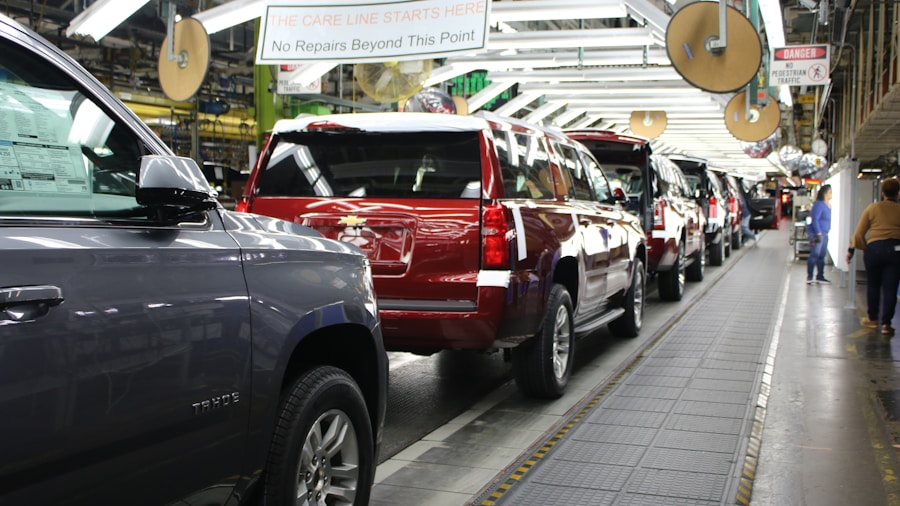
U.S. tariff policies have become a major headwind for international automakers. When tariffs increase the cost of importing vehicles or key components, manufacturers must either absorb the added expenses or pass costs along to consumers. Volkswagen determined that competing effectively under these new conditions required a fundamental restructuring rather than incremental cost-cutting.
The company faces competition from low-cost Chinese manufacturers that have captured significant market share. Between tariff-driven price pressures and the need to compete against these rivals, Volkswagen concluded that its previous business model was no longer viable. Tariff impacts are forcing companies across industries to rethink their entire operations.
What This Means for Shoppers
For consumers considering a Volkswagen, Audi, Porsche, or other brand under the Volkswagen Group umbrella, this restructuring could have several effects. In the short term, inventory at dealerships may shift as plants close and production transitions. Some vehicle models may be discontinued entirely as the company narrows its lineup, so buyers interested in specific models should act sooner rather than later.
Long-term, the restructured company may offer stronger products with fewer models. By focusing engineering and marketing resources on fewer vehicles, Volkswagen could potentially deliver more refined and competitive offerings. However, consumers who preferred niche models or specific regional variants may find fewer options available.
The tariff environment that prompted this restructuring also suggests that import costs may remain elevated. This could translate to higher prices for imported vehicles or parts, affecting both new car purchases and aftermarket repairs. Consumers weighing whether to buy a European import should understand that tariff policies continue to shape consumer costs across multiple industries.
Employee and Government Support

Notably, the company’s employee representatives, who hold half the board seats, ultimately supported the plan after initially opposing it. Daniela Cavallo, the chief employee representative, stated the restructuring was necessary for Volkswagen to successfully advance into the next decade. The regional government of Lower Saxony, where Volkswagen is headquartered and which holds two board seats, also backed the initiative as essential to the company’s transformation.
This broad acceptance suggests that stakeholders view the restructuring as unavoidable given current market conditions. When both employee representatives and government officials acknowledge that cost-cutting is necessary, it underscores the severity of the challenges facing the automotive industry.
The Road Ahead
Volkswagen’s decision reflects a larger trend affecting global manufacturers. Tariffs, changing consumer preferences, and shifting competitive dynamics are forcing companies to make tough choices about which products to build and where to build them. For shoppers, staying informed about these industry shifts helps clarify why prices may be rising and why vehicle availability might change in coming years.
 Tariff and Rate Hikes Are Squeezing U.S. Companies and Shoppers Should Know What It Means
 Iran War Inflation Impact: What Buyers Should Know
 Federal Reserve Rate Hike Expected as Tariff Pressures Build on Inflation
 Costco Raises Kirkland Motor Oil Prices and Sets Purchase Limits: What Shoppers Should Know
 Trump Removes 15% Tariff on Irish Whiskey: What Shoppers Should Know
 Wholesale Prices Rise Again: What Inflation Means for Your Shopping Budget