How Tariffs Are Reshaping Main Street Retail
When trade tensions escalated over a year ago, the effects rippled far beyond financial headlines and reached the shelves of small retailers across America. A comic book and collectible store owner in Ohio found himself caught in the middle of a tariff storm that has fundamentally changed how he runs his business and what he charges customers.
Marc Bowker, who owns Alter Ego Comics in Lima, has watched tariffs transform his operating costs in ways he never anticipated. Action figures and collectibles, which generate roughly 70 percent of his revenue, come primarily from China and have been subject to tariffs as high as 145 percent at their peak. These aren’t luxury items for major corporations, but everyday inventory for a small business trying to survive in a competitive market.
The Real Cost to Small Business Owners
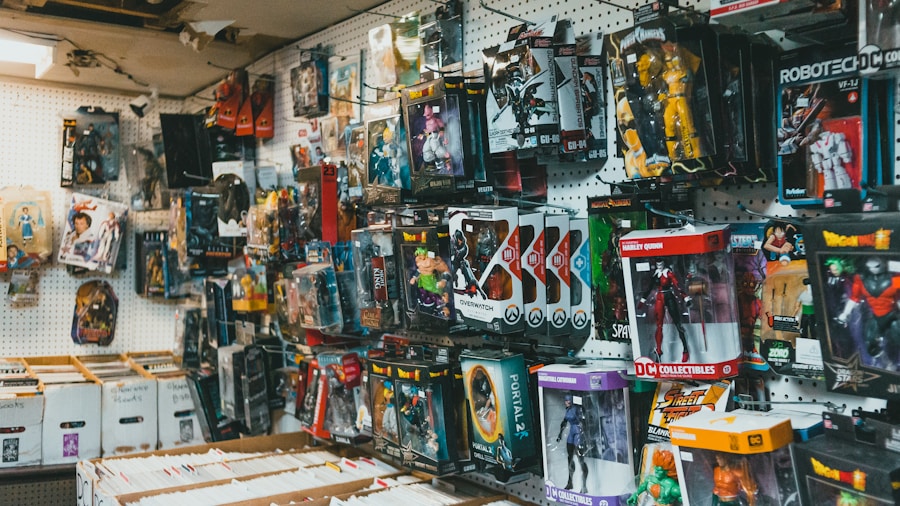
Since tariffs took effect, Bowker paid more than $16,000 in import taxes to his suppliers. For a small retailer, that’s a staggering expense. In the early months, he attempted to offset these costs by adding a 3 percent tariff fee to customer purchases. The strategy backfired. His action figure sales dropped 50 percent, suggesting that customers sensitive to price increases simply bought elsewhere or cut back on discretionary spending.
Facing a choice between maintaining profit margins or keeping customers coming through the door, Bowker made the difficult decision to absorb the tariff costs himself and eliminate the surcharge. This is the reality many shoppers don’t see: when retailers eat tariff expenses, they’re making conscious trade-offs between staying afloat and staying competitive.
The situation became more complicated when the Supreme Court ruled that the original tariff authority used by the administration was illegal under the International Emergency Economic Powers Act. This decision created a path for refunds totaling more than $160 billion in collected tariff revenue. However, the refund process has proven frustrating for small business owners downstream in the supply chain. While Bowker’s distributor may eventually receive refunds from U.S. Customs and Border Protection, that money hasn’t reached smaller retailers like Bowker yet.
What This Means for Your Shopping Budget
The broader tariff situation affects more than just action figure prices. Comics themselves, which are primarily imported from Canada, are currently exempt from new tariff rounds. However, that protection could vanish if the escalating trade war with Canada intensifies, creating additional pricing pressure on an entire product category that has experienced a recent renaissance due to popular titles.
Understanding tariff refunds for retailers helps explain why some price cuts may not happen immediately at the consumer level. Even when wholesalers and distributors receive government refunds, those savings don’t automatically flow to small retailers or their customers. The delays and complexity in the system mean that higher prices often stick around longer than they should.
For shoppers, this creates a challenging environment. Prices on collectibles and entertainment products remain elevated due to tariff costs that were paid months or years ago. Meanwhile, the prospect of additional tariffs on Canadian imports threatens to push prices even higher. This forces consumers to make hard choices about discretionary spending at exactly the time when economic uncertainty already encourages people to tighten their budgets.
The Broader Picture for American Consumers
Small retailers like Bowker represent thousands of businesses across the country managing similar pressures. When tariffs increase their costs, they must choose between raising prices, reducing profit margins, or some combination of both. The cumulative effect is slower sales, reduced inventory diversity, and higher prices for consumers seeking everyday items.
The impact on tariffs and export controls demonstrates that these aren’t abstract trade policy matters. They directly influence what you pay at local businesses in your community. A retailer’s decision to close a location, reduce hours, or cut staff often traces back to tariff-driven cost pressures that made the business model unsustainable.
Despite these headwinds, Bowker reports that business has improved this year, buoyed by genuine consumer interest in comic books and collectibles. However, he recognizes that not all customers share his optimism. Many are consciously reducing purchases because rising tariff-driven prices have strained household budgets. For discretionary items like collectibles, that means some customers simply wait, buy less frequently, or choose alternative entertainment options.
Looking Ahead
The ongoing uncertainty surrounding potential Canadian tariffs leaves small business owners in a difficult planning position. They can’t confidently stock inventory or set prices when major cost increases could arrive without warning. This uncertainty itself becomes a cost, forcing retailers to be more conservative with their purchasing and potentially leaving shelves less well-stocked.
As a shopper, staying informed about tariff developments helps you understand why prices are higher and when relief might arrive. Supporting local retailers navigating these challenges, while also being realistic about when you can expect prices to decline, creates a more honest relationship between businesses and customers during economically uncertain times.
 U.S. China Tariff Cuts What Shoppers Need to Know
 Tariff Impact on Toy Collectibles: What Collectors and Shoppers Should Know
 U.S. China Trade Truce Extended Through January: What It Means for Your Shopping
 Kroger Removes Boar’s Head Products from Stores: What Shoppers Should Know
 Trump Removes 15% Tariff on Irish Whiskey: What Shoppers Should Know
 Canada Retaliates With Tariffs on US Goods: What Shoppers Need to Know