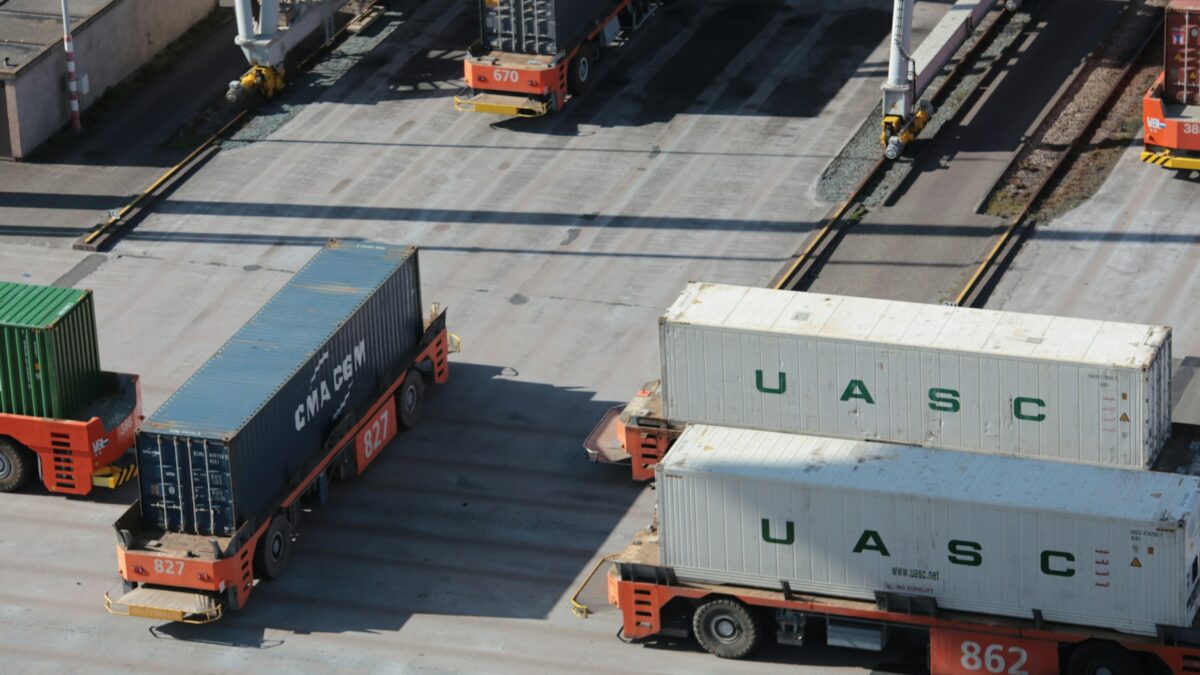
Export Delays Are Costing Billions in Lost Sales
The U.S. maintains an advanced export control system designed to prevent foreign countries from purchasing American products with potential military applications or cutting-edge technology. In theory, this protects national security. In practice, the system is moving at a snail’s pace.
The Bureau of Industry and Security, or BIS, oversees these export licenses. According to their own policies, approving a license should take no more than 90 days. Reality tells a different story. A recent survey found that 95 percent of American companies selling to China reported facing license delays stretching well beyond a year. That bottleneck isn’t just a bureaucratic inconvenience. American firms are losing billions of dollars in business as Chinese competitors swoop in to fill the gap left by delayed U.S. exports.
The delays stem partly from confusion at the top. After a meeting between President Trump and China’s leader last October, the administration suddenly rolled back some export restrictions, then reversed course again by allowing sales of advanced semiconductor chips to China. This inconsistent signaling has left BIS leadership uncertain about which direction to take. Compounding matters, there has been significant staff turnover at the agency. Current and former employees report that the fear of making the wrong decision has created a logjam, with all export applications now requiring personal review by the agency’s head. Without clear patterns or guidance, approvals grind to a halt.
Tariff Strategy Crumbles Under Legal and Fraud Pressure
Tariffs, the other pillar of the administration’s economic toolkit, are facing their own set of challenges. In February, the Supreme Court struck down a large portion of recently enacted tariffs, ruling that the president lacked the authority to impose them during peacetime using the International Emergency Economic Powers Act.
Beyond legal obstacles, fraud is eating away at tariff effectiveness. One scheme, called transshipment, involves rerouting goods through third countries to hide their true origin and dodge higher tariff rates. This single fraud tactic costs the U.S. economy between 45 billion and 75 billion dollars annually, according to a White House report. The problem has become so widespread that economic advisers have described entering an era of tariff evasion running rampant.
The fraud takes multiple forms. Importing companies are allegedly underreporting the value of goods entering the country to pay lower tariffs. Trade data shows a striking 112 billion dollar discrepancy between what China claims to export to the U.S. and what American customs records show arriving. While some difference is normal due to middleman markups and price variations, the pattern suggests something more deliberate is happening.
A telling sign emerged after the administration announced major tariffs last year. Trade data shows the average value of cargo containers from China dropped sharply right after that announcement, faster than would be expected from normal supply chain adjustments. This timing strongly suggests that importing companies are using accounting schemes and undervaluation tactics rather than legitimate business strategies to minimize their tariff burden.
What This Means for Your Wallet
When government economic tools fail to work as intended, consumers feel the impact. Delays in export licensing mean American companies lose sales to competitors, potentially reducing job opportunities and wage growth. When businesses lose market share abroad, they may raise domestic prices to compensate for lost revenue.
Tariff fraud is equally problematic for shoppers. When imported goods are undervalued or misclassified to avoid tariffs, legitimate traders face unfair competition from companies playing accounting games. This distorts pricing and can actually raise costs for honest importers who follow the rules. Meanwhile, the tariff revenue the government expected to collect disappears, potentially affecting public services or requiring other tax adjustments.
The tariff system was supposed to protect American workers and encourage domestic manufacturing. Instead, current evidence shows it is being undermined from multiple directions: legal challenges remove tools from the government’s arsenal, while fraud schemes allow companies to sidestep the rules entirely. Meanwhile, export control delays push American companies into the arms of foreign competitors.
Shoppers should monitor how these policy contradictions continue to unfold. Until the administration resolves the confusion about its own priorities and closes the fraud loopholes, both consumers and legitimate American businesses will continue paying the price for an economic strategy that isn’t delivering on its promises.
 Inflation Surges Again: What Rising Prices Mean for Your Wallet
 Inflation Remains Stubbornly High: What This Means for Your Shopping Budget
 U.S. China Tariff Cuts What Shoppers Need to Know
 Tariff Impact on Toy Collectibles: What Collectors and Shoppers Should Know
 U.S. China Trade Truce Extended Through January: What It Means for Your Shopping
 Gas Price Surge What Shoppers Should Know Before the Holidays