
The Inflation Picture Hasn’t Improved Much
The latest Personal Consumption Expenditures report, which is the Federal Reserve’s preferred inflation gauge, revealed that price growth remains stubbornly elevated despite some recent cooling. While this month’s reading came in slightly better than forecasters expected, and a routine data adjustment showed recent inflation numbers slightly lower, the fundamental story hasn’t changed. Inflation is still running significantly above the Fed’s 2% long-term target, which means the central bank will likely need to maintain its aggressive stance on interest rates for longer than many consumers hoped.
This persistent inflation is affecting more than just what you pay at the grocery store or gas pump. Shifts in consumer prices ripple throughout the entire economy, influencing borrowing costs, savings rates, and the purchasing power of your paycheck. When inflation stays high, your dollars don’t stretch as far, and planning a household budget becomes more challenging.
How Interest Rates Are Rising in Response

In September, the Federal Reserve raised its benchmark interest rate by 25 basis points in an effort to cool down demand and bring inflation back under control. The Fed doesn’t directly set mortgage rates or other consumer lending rates, but financial markets watch its decisions very closely and adjust their pricing accordingly. This means that when the Fed signals it may raise rates further, lenders respond by charging more for everything from mortgages to auto loans to credit cards.
Two more Federal Reserve meetings are scheduled before the end of 2026, and the outcome of those meetings will depend heavily on how inflation behaves in the coming weeks. Bond markets are already feeling upward pressure from inflation expectations, which is driving higher interest rates across the board. This cycle can feel frustrating for shoppers: the Fed is trying to fight inflation by making borrowing more expensive, which can slow the economy and potentially affect job security.
What This Means for Your Household Budget
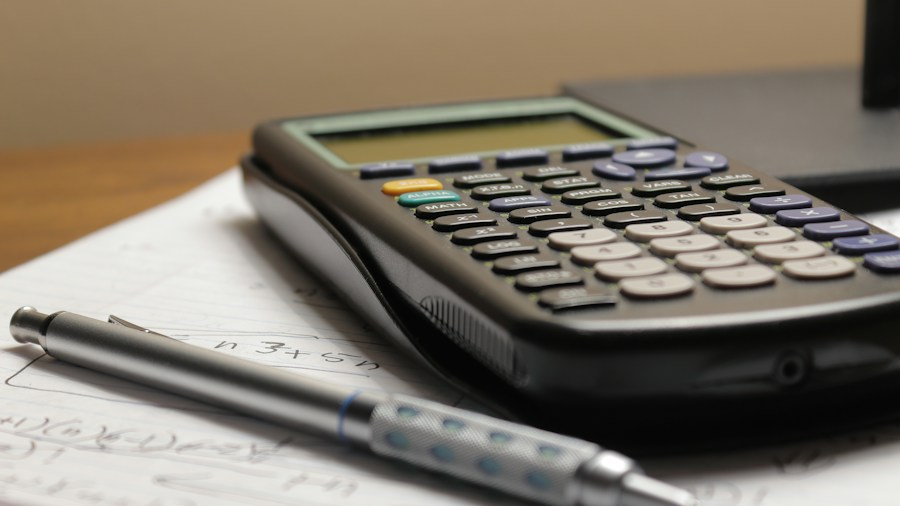
Higher inflation combined with higher interest rates creates a difficult environment for household finances. If you’re carrying any debt, from credit cards to student loans, you may see higher monthly payments as adjustable-rate products reset at new levels. If you’re planning to make a large purchase like a home or car, financing costs have become more expensive, which reduces how much house or car you can afford for the same monthly payment.
At the grocery store and in your daily spending, you’ll continue to feel the squeeze of higher prices on essentials. Food costs, utilities, and transportation expenses remain elevated compared to a few years ago. While inflation has cooled from its 2022 peak, the damage has already been done to consumer purchasing power, and prices are unlikely to return to pre-pandemic levels.
The good news is that rate hikes aim to control inflation, which should eventually bring price growth back down and stabilize interest rates. However, this process takes time. The Fed must balance fighting inflation against the risk of slowing the economy too much and triggering job losses.
Steps You Can Take Right Now
While you can’t control inflation or Fed policy, you can take practical steps to protect your household finances. Consider paying down existing debts to reduce your exposure to rising rates. Build your emergency fund and down payment savings while rates remain in flux, so you have financial flexibility when opportunity knocks. Review your monthly spending to identify areas where you can cut back on discretionary purchases and redirect those funds toward debt payoff or savings.
If you’re considering a major purchase, focus on what you can actually afford at today’s rates rather than hoping for better conditions down the road. Rates could move lower, but they could also move higher, and waiting for the perfect moment often means missing out on a good opportunity. Getting preapproved for a mortgage or auto loan now gives you clarity on your budget and removes uncertainty from the equation.
Inflation remains one of the most important economic forces affecting your wallet. By staying informed about economic reports and adjusting your financial strategy accordingly, you can navigate this challenging period and protect your family’s financial health.
 Inflation Surges Again: What Rising Prices Mean for Your Wallet
 Fed Official Says Inflation Still Too High Despite Recent Data Improvement
 U.S. China Tariff Cuts What Shoppers Need to Know
 Treasury Yields Hit 19 Year High: What Rising Interest Rates Mean for Your Wallet
 Inflation Pushes More US Households Into Financial Vulnerability: What Shoppers Should Know
 Gas Price Surge What Shoppers Should Know Before the Holidays