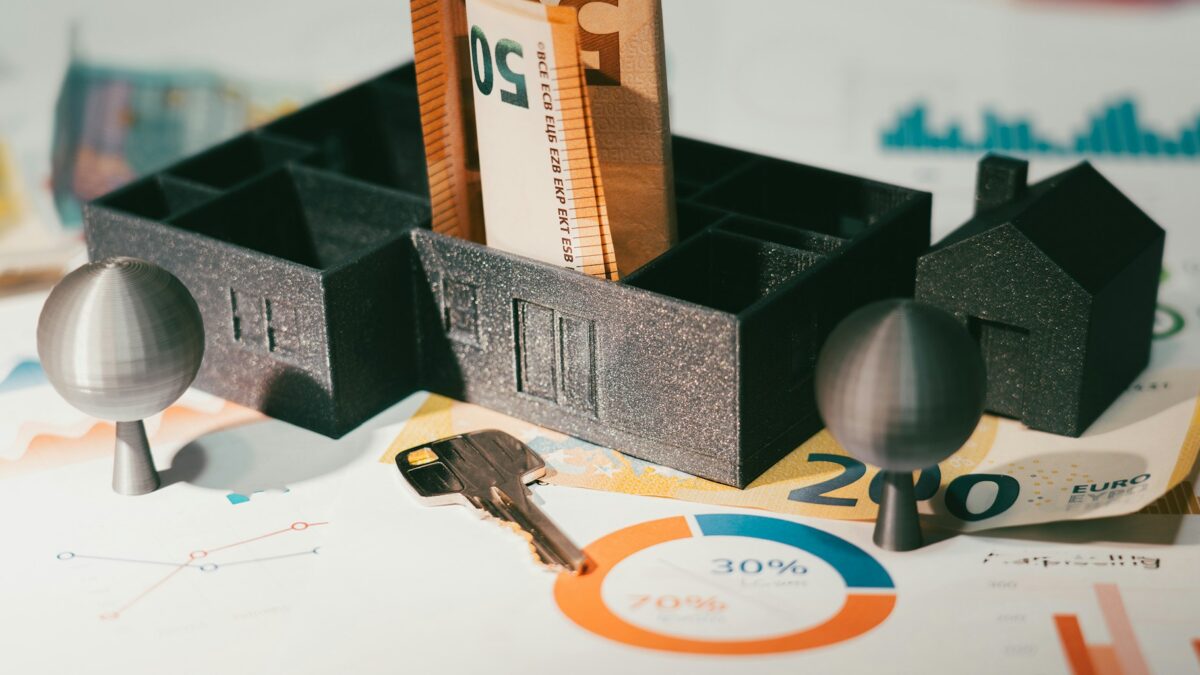
Why Bonds Are Flashing Red
This week, the 30-year Treasury bond yield reached its highest point since 2004, while the 10-year Treasury briefly approached levels last seen in 2001. When bond yields spike this sharply and this fast, it signals something serious: lenders are demanding higher returns because they see risk ahead.
The immediate trigger was stronger-than-expected economic data that convinced investors the Federal Reserve will need to raise interest rates even more aggressively to tackle inflation. Federal Reserve officials also signaled this week that additional rate hikes are likely on the table. Simultaneously, weak demand for government bond auctions forced the U.S. government to offer higher yields just to attract buyers.
As one market analyst put it, when the world’s largest borrower must raise its price to find lenders, attention is warranted. The reason: every mortgage, auto loan, credit card, and business loan in America is ultimately priced based on these Treasury benchmarks. Higher bond yields translate directly to higher borrowing costs for you.
Inflation and Oil Are Stoking the Fire

Multiple pressures are colliding at once. Diesel prices in the U.S. recently hit a record high of $6.53 per gallon. Since diesel fuels trucks, farm equipment, and construction machinery, those surges ripple through supply chains, pushing up the cost of food, clothing, and virtually everything shipped to retail stores. Geopolitical tensions in the Middle East are also keeping global oil prices elevated, adding fuel to the inflation fire.
The Consumer Price Index currently stands at 3.4% annually, up from near 2% at the start of the year. The Fed’s target is 2%, but officials now expect inflation may not drop to that level until 2029. Some projections suggest inflation could even climb to 3.7% by the end of this year.
The combination of strong economic growth, rising business costs, steady job creation, and persistent inflation gives the Fed few options. Traders currently see a 70% probability of a rate hike at the Fed’s October meeting and a 56% chance of another in December. Fed rate hikes are expected to bring borrowing costs even higher over the coming months.
What This Means at the Mortgage Counter and Beyond
The immediate impact on shoppers is unmistakable. Mortgage rates have crossed 7% for the first time in nearly two years. That means a $400,000 home purchase that cost roughly $2,660 per month in early 2022 now carries a monthly payment approaching $2,800 or higher depending on exact rates. For first-time buyers and those refinancing, affordability just became substantially worse.
Auto loans, credit card rates, and personal loans are also climbing. financial stress from inflation is compounding as households struggle with both higher borrowing costs and elevated prices on groceries, gas, and essentials.
One Small Bright Spot for Savers

If you have money sitting in savings accounts, there is modest good news. When the Fed raises its benchmark rate, banks typically increase the yields on savings accounts and certificates of deposit, though timing and amounts vary by institution. Some high-yield savings accounts currently offer annual percentage yields above 4%, meaning your cash earns meaningful returns without taking investment risk. Newly issued Treasury bonds and short-term bonds are also becoming more attractive to conservative investors.
The Bigger Picture
The bond market turmoil reflects a difficult economic reality: the Fed is trying to cool inflation without triggering a recession, but the economy remains resilient. Job growth is steady, business activity is expanding faster than expected, and consumers are still spending. That strength, while seemingly positive, makes the Fed’s inflation challenge harder. war-driven inflation pressures and sticky costs in transportation and energy suggest the central bank has more work ahead.
For your household, this environment means planning ahead is crucial. Lock in lower rates now if you’re planning a major purchase like a home or car. Review your credit card debt and consider paying it down while costs remain manageable. If you have emergency savings, parking funds in a high-yield savings account offers better returns than it did just months ago. The financial landscape is shifting, and being proactive puts you in a stronger position to weather the changes ahead.
 Consumer Confidence Hits 12 Year Low as Inflation Pressures Shoppers
 Treasury Yields Hit 19 Year High: What Rising Interest Rates Mean for Your Wallet
 Federal Reserve Signals Modest Rate Increases Ahead to Combat Inflation
 Inflation Pushes More US Households Into Financial Vulnerability: What Shoppers Should Know
 Federal Reserve Rate Hike Coming: What It Means for Your Wallet
 Federal Reserve Rate Hike Expected: What Inflation Means for Your Wallet