
What the Fed Is Doing and Why
Market watchers are betting that the central bank will approve a quarter percentage point rate hike, which would push borrowing costs into the 3.75% to 4% range. Federal Reserve Chairman Kevin Warsh has made clear that aggressive action is necessary. In recent remarks, he emphasized that the Fed bears responsibility for prolonged elevated inflation and must demonstrate that price pressures are genuinely moving toward their target. His forceful statements left little doubt that a rate hike was coming unless inflation showed a dramatic unexpected drop.
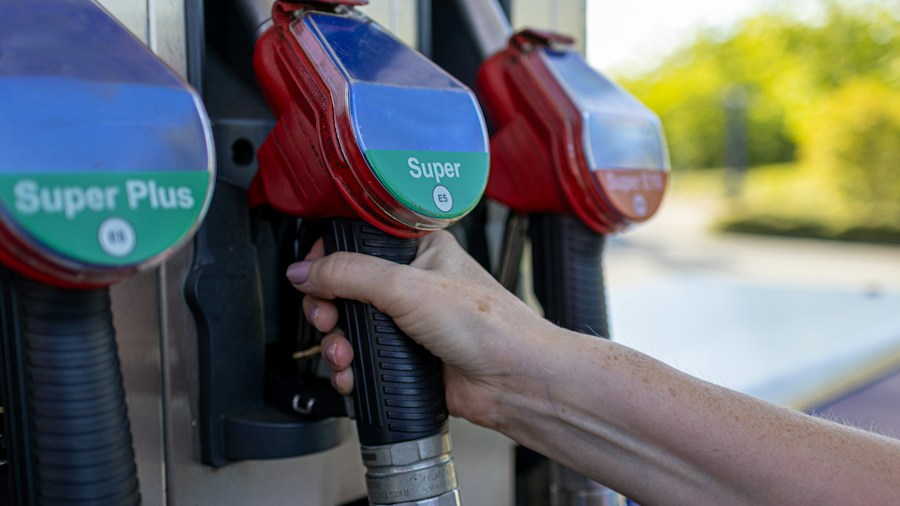
The economic backdrop underscores the urgency. Annual inflation stood at 3.4% in August, driven significantly by surging energy costs. Gasoline prices alone accounted for more than a third of the month’s overall price increase. Diesel fuel has reached all-time highs above $6 per gallon, a development that threatens to push up the cost of goods that rely on trucking and rail transport.
How Higher Rates Hit Your Pocketbook

When the Federal Reserve raises interest rates, the impact ripples through everyday borrowing decisions. If you are thinking about financing a car, the monthly payment will be more expensive. Credit card balances become costlier to carry. Home mortgages and home equity lines of credit will see higher rates as well. The yield on 10-year Treasury bonds, which influences rates across the economy, has already climbed above 5% as bond investors demand higher returns in response to inflation fears.
The timing matters because inflation now outpaces wage growth, meaning your paycheck does not stretch as far as it once did. Higher borrowing costs compound this pressure, especially for anyone planning major purchases in the coming months.
What This Means for Shopping and Prices
One critical point: higher interest rates do not automatically lower prices at the gas pump or grocery store. Instead, they work as a demand-dampening tool. By making borrowing more expensive, the Fed aims to cool consumer spending, which in turn reduces demand and puts downward pressure on prices over time. This is a gradual process, not an instant fix.
The energy situation adds another layer of complexity. Recent geopolitical tensions have pushed oil and gasoline prices higher, contributing meaningfully to the inflation surge. While rate decisions signal Fed commitment to restoring price stability, energy markets respond to their own global forces that interest rate policy cannot directly control.
What Comes Next
After this week’s decision, the Federal Reserve will release informal forecasts from its policymaking committee about where rates are headed. In June, the average member projected only one additional quarter-point hike for the year, followed by rate cuts in 2027. However, that guidance was made before recent inflation data and before Chairman Warsh took the helm in May. His skepticism about forward guidance suggests the Fed may keep its options open rather than commit to a specific path ahead.
Bond markets are already factoring in a tighter monetary stance. Investors demanding higher returns for taking on inflation risk are pushing up long-term borrowing costs across the board. This environment rewards savers with higher yields on savings accounts and certificates of deposit, but it penalizes borrowers and those with floating-rate debt.
How to Prepare
If you have been considering a major purchase that requires financing, such as a vehicle or home improvement, sooner may be better than later given economic risks and rising costs ahead. Review your credit card balances and consider paying them down before the new rates take effect. Fixed-rate debt becomes more attractive in a rising-rate environment, so locking in rates now on larger purchases may prove worthwhile. Finally, if you have emergency savings, the improved yields on high-yield savings accounts and money market funds make this an ideal time to boost your cash reserves.
The Fed’s decision this week represents a turning point in how policymakers are addressing inflation. After years of low rates and accommodative policy, the central bank is signaling a determined shift toward price stability, even if it means higher costs for borrowers in the near term.
 Treasury Yields Hit 19 Year High: What Rising Interest Rates Mean for Your Wallet
 Major Economic Reports This Week: What Inflation Data Means for Your Shopping Budget
 Bond Market Warning: What Surging Interest Rates and Inflation Mean for Your Wallet
 Federal Reserve Signals Modest Rate Increases Ahead to Combat Inflation
 U.S. China Trade Truce Extended Through January: What It Means for Your Shopping
 Inflation Pushes More US Households Into Financial Vulnerability: What Shoppers Should Know