
Economic Headwinds Creating New Pressure on Consumer Spending
The U.S. economy has weathered considerable challenges over the past two years, but economists are raising fresh alarms about a confluence of mounting risks that could strain household budgets and slow growth. Energy prices are climbing, interest rates are expected to rise, and consumer confidence is eroding, particularly among lower- and middle-income Americans who are already struggling with the cost of living.
For shoppers, the implications are significant. The combination of sticky inflation pressures and policy changes ahead could make everyday purchases even more expensive in the coming months.
Oil Price Surge Threatens to Reignite Inflation
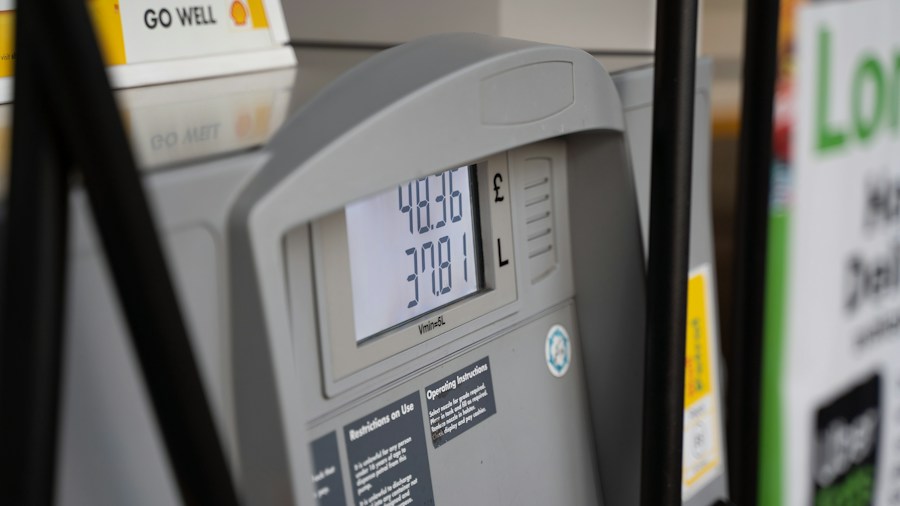
The most immediate threat to your wallet comes from energy markets. Recent military tensions in the Middle East have pushed global oil prices to their highest levels in four months. Brent crude, the international benchmark for oil, recently hit $108.45 per barrel, while U.S. diesel prices reached a record $6.23 per gallon.
Though inflation has cooled slightly from May’s three-year high, the resurgence in oil prices threatens to reverse that progress. August’s Consumer Price Index showed prices rising at an annual rate of 3.4%, exceeding both economist forecasts and the Federal Reserve’s 2% target. Higher fuel costs ripple through the entire economy, raising transportation expenses, shipping costs, and ultimately the prices of goods on store shelves.
The concern isn’t merely theoretical. Goldman Sachs has warned that if regional instability worsens, oil could surge above $120 per barrel. At that level, sustained energy costs would begin to meaningfully slow economic growth and pinch consumer spending power. Lower- and middle-income households are already feeling the strain most acutely, according to recent sentiment surveys, with September consumer confidence dropping to near-record lows as rising gas prices and economic uncertainty weigh on household optimism.
Interest Rate Increases on the Horizon
Adding to the pressure, the Federal Reserve is expected to raise interest rates in the coming weeks for the first time in more than three years. While a single rate hike might seem manageable, many analysts anticipate this will be just the beginning of a series of increases.
Rising rates carry mixed effects for shoppers. On one hand, they can help control inflation by making borrowing more expensive and cooling demand. On the other hand, higher rates mean increased costs for mortgages, auto loans, credit card balances, and any form of consumer debt. Businesses facing elevated borrowing costs may pass those expenses along to customers through higher prices.
The broader concern is that a sustained series of increases could trigger a cycle where borrowing becomes prohibitively expensive, economic growth slows, and stock market valuations fall, potentially eroding the household wealth that has supported consumer spending in recent years.
The Wealth Divide Matters More Than Ever

A crucial dynamic shaping the current economic picture is the stark divide between wealthy and lower-income households. Upper-income consumers have benefited enormously from stock market gains, bolstering their purchasing power and retirement accounts. Meanwhile, lower- and middle-income households are barely keeping pace with cost of living increases, with real wages failing to keep up with persistent inflation.
If stock market valuations fall, that upper tier of consumers could pull back on spending significantly, which could cascade into broader economic slowdown. Since wealthier households have been the primary engine of consumer spending over the past two years, any meaningful reduction in their confidence or purchasing could ripple through the entire retail landscape.
What You Should Do Now
For shoppers, the current environment calls for vigilance. Expect energy costs to remain elevated, which will continue to push prices upward across sectors. Interest rates will rise, making debt more expensive, so locking in current rates on major purchases may become advantageous soon.
Budget carefully for essential expenses like fuel and groceries, where inflation pressures remain most acute. If you’re planning significant purchases or refinancing debt, the window for favorable rates may be narrowing. Track your household spending closely and consider where you can reduce discretionary expenses to build a buffer against unexpected cost increases.
The confluence of energy shocks, rising rates, and weakening consumer sentiment suggests that the financial squeeze on American households is likely to intensify before it improves. Staying informed and deliberate about spending decisions will help you navigate the months ahead.
 Walmart Fall Deals Sale: What Shoppers Should Know About Early October Shopping
 Consumer Confidence Hits 12 Year Low as Inflation Pressures Shoppers
 Fed Official Says Inflation Still Too High Despite Recent Data Improvement
 Inflation Remains Stubbornly High: What This Means for Your Shopping Budget
 Treasury Yields Hit 19 Year High: What Rising Interest Rates Mean for Your Wallet
 Major Economic Reports This Week: What Inflation Data Means for Your Shopping Budget