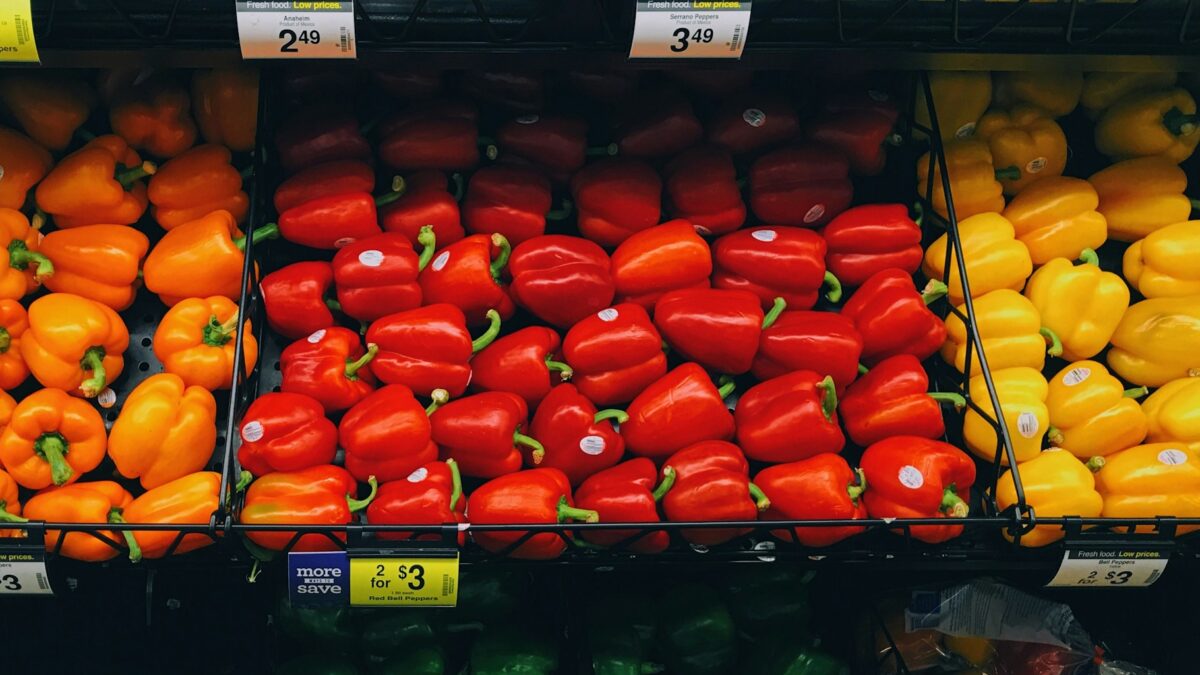
For the 12-month stretch ending in August, grocery-price inflation climbed 2.2%, significantly lower than the overall inflation rate of 3.4%. This gap underscores how energy costs, not food, are driving much of the current price pressure affecting American consumers.
Fresh Produce Offers Relief at the Register
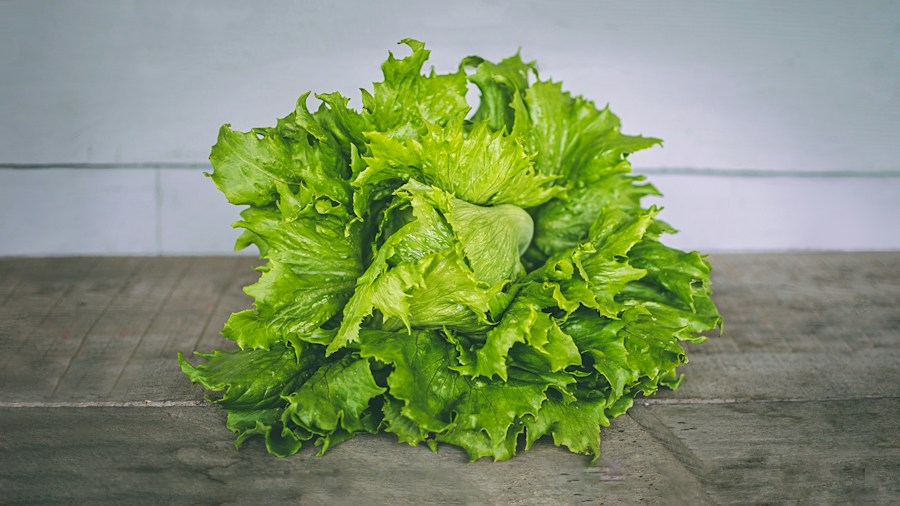
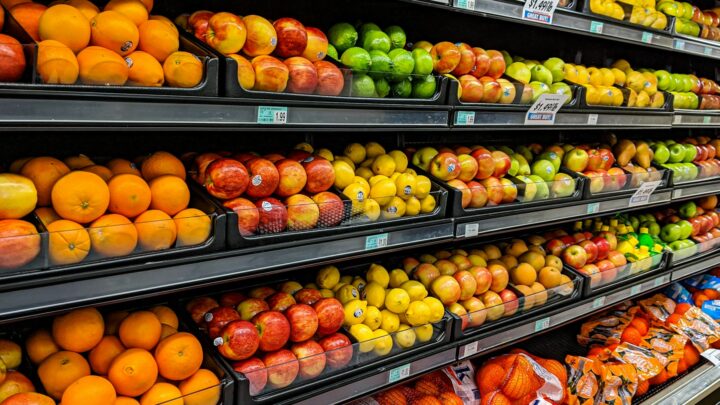
The biggest bright spot for grocery shoppers came from the produce aisle. A notable decline in lettuce prices, down 6.2% in August alone following a 16.4% drop in July, helped pull down fresh fruit and vegetable prices overall by 0.7% for the month. The lettuce price collapse reflects reduced consumer demand after a cyclosporiasis outbreak that occurred earlier in the summer, causing shoppers to avoid the product. As supply normalizes and concerns fade, additional produce price relief may continue in coming months.
Mixed Signals Across Other Food Categories
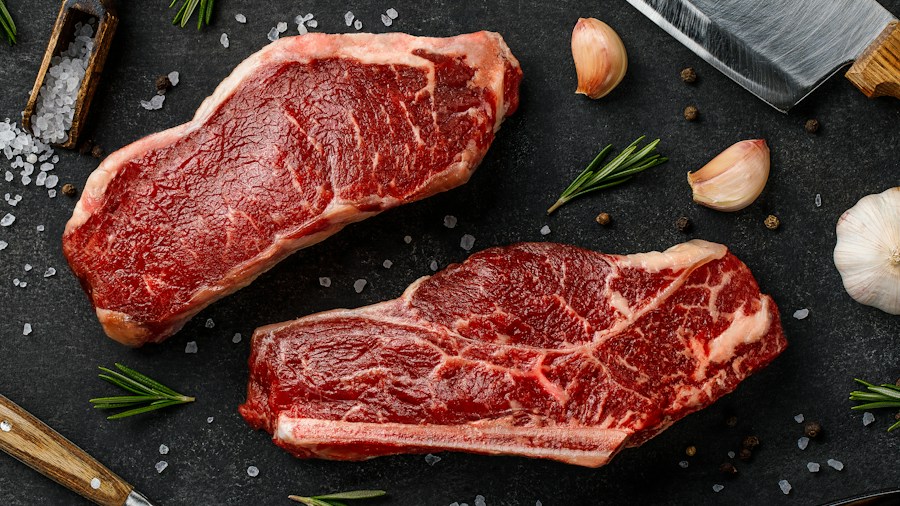
While produce delivered good news, most other grocery staples ticked upward modestly. Egg prices rose 2.9% on a seasonally adjusted basis, contributing to a 0.1% gain in the meat, poultry, fish and eggs category overall. Dairy products climbed 0.3%, nonalcoholic beverages rose 0.2%, and other packaged foods increased 0.1%, while cereal and bakery items held steady with no change.
Over the past year, certain protein and seafood items remain significantly more expensive than they were 12 months ago. Beef and veal prices are up 5.9%, with uncooked ground beef jumping 7.2% and beef roasts climbing 8.4%. Fish and seafood prices have climbed 6.5%, including 6.3% for fresh varieties and 8.2% for frozen options. These sustained increases in popular proteins represent a persistent drag on household grocery budgets, even as monthly price momentum has slowed.
Restaurant Meals and Prepared Foods Continue Rising
The slowdown in inflation does not extend uniformly to food consumed outside the home. Restaurant prices, driven by full-service dining establishments, pushed the food-away-from-home index up 0.3% in August and 3.4% over the past 12 months. Families relying on restaurant meals or takeout options should expect continued price increases at dining establishments, making home cooking an increasingly valuable money-saving strategy for budget-strapped households.
Energy Costs Remain the Primary Inflation Driver
The real story behind overall inflation lies well beyond the grocery store. Energy expenses continue to dominate price increases across the broader economy. Fuel oil prices jumped 10.1% in August alone, with the 12-month index up a staggering 52% compared to a year earlier. Motor fuel climbed 4.1% in August and 27.9% over 12 months, while airline fares rose 2.7% in August and 23.4% annually. Recreation spending, medical care, and personal care products also contributed to inflation pressures, with increases of 2.7%, 1.6%, and 3.6% respectively over the past year.
What Shoppers Should Do Now
The flat monthly grocery inflation reading offers cautious optimism, yet vigilance remains essential. Protein prices, particularly beef and seafood, remain elevated year-over-year, suggesting continued expense at the meat counter. Shoppers can capitalize on produce bargains, especially as lettuce and other fresh vegetables recover from supply disruptions and price volatility.
Rather than expecting dramatic price rollbacks, consumers should embrace a selective approach to grocery shopping. Focusing on sales, comparing unit prices, and choosing private-label alternatives can stretch grocery budgets further. The modest pace of monthly food-price increases means that households may finally catch their breath after months of rising costs, though annual price comparisons reveal that most families are still paying substantially more than they did a year ago for essential food items. Strategic shopping and meal planning remain essential tools for managing household expenses in this environment of persistent, if moderating, food-price pressure.
 Amazon Prime Settlement Expanded: Eligible Shoppers Can Receive Up to $200
 At Home Redesigns Loyalty Program Based on Customer Feedback What Shoppers Should Know
 Kroger Price Cuts What Shoppers Need to Know
 Kroger Faces Challenges: Weak Quarterly Results and Overcharging Accusations
 Walmart Gains Ground as Kroger Loses 12 Billion Dollars in Consumer Spending
 Wholesale Prices Rise Again: What Inflation Means for Your Shopping Budget