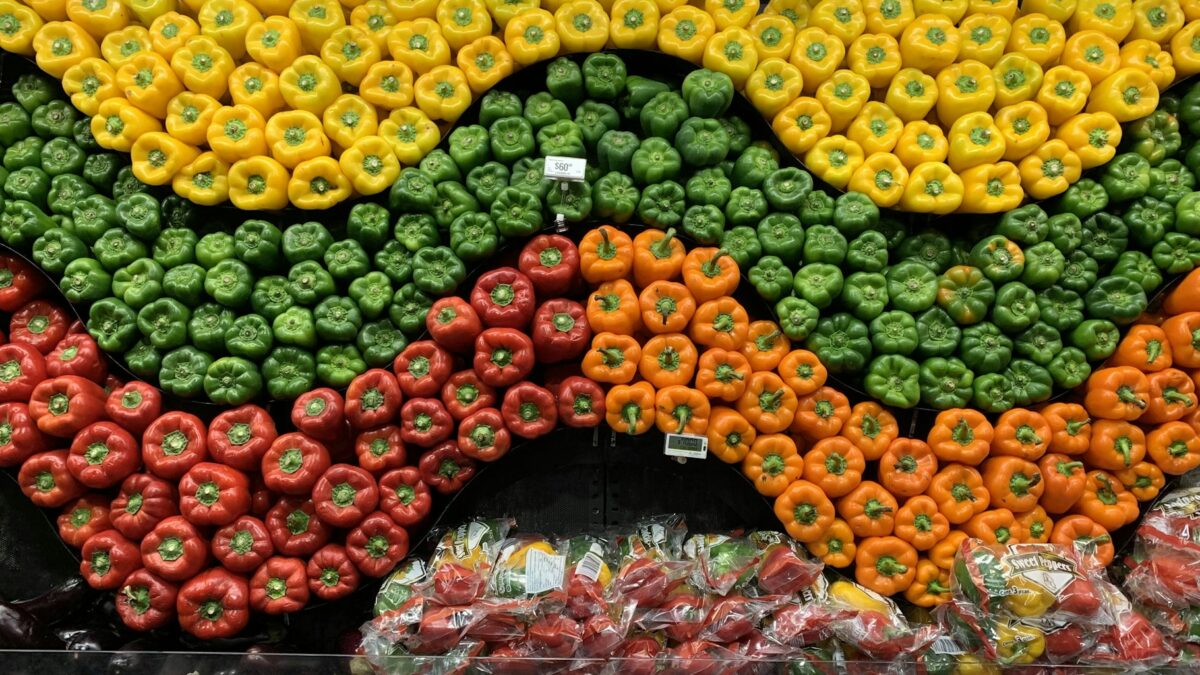
During its latest earnings call, CEO Greg Foran emphasized that Kroger’s ultimate goal is to become America’s favorite grocery destination. To achieve this, the retailer is focusing intensely on operational efficiency across multiple areas: keeping products in stock, improving how items are displayed and organized, managing shrinkage losses, and tightening cost controls throughout the supply chain.
Current Progress and Early Wins
Despite the long timeline ahead, Kroger is already reporting measurable improvements. In the second quarter alone, the chain achieved an all-time high for on-shelf availability, meaning more products were in stock when customers wanted to buy them. Additionally, pickup orders through the grocer’s services hit record levels, suggesting customers are increasingly satisfied with how the company serves them.
The company’s aggressive focus on reducing costs paid off in recent months. sourcing and savings exceeded internal targets in the second quarter, and Foran indicated that more cost reductions will materialize as the year progresses. Notably, Kroger has begun closing the pricing gap on its private-label products compared to some national competitors.
How Kroger Is Finding Savings

The retailer is pulling cost reductions from multiple sources. These include lowering the cost of goods Kroger purchases from suppliers, reducing import expenses, cutting spending on items not directly sold to customers, and streamlining its workforce through operational improvements. The key philosophy is straightforward: every dollar saved on operations becomes available to reinvest in areas customers will notice, particularly lower shelf prices.
Foran made clear that this strategy requires aggressive but methodical execution. Kroger is standardizing its approach by geography, testing different strategies in different regions to see what resonates most with local shoppers while maintaining cost discipline.
New Product Focus and Customer Engagement
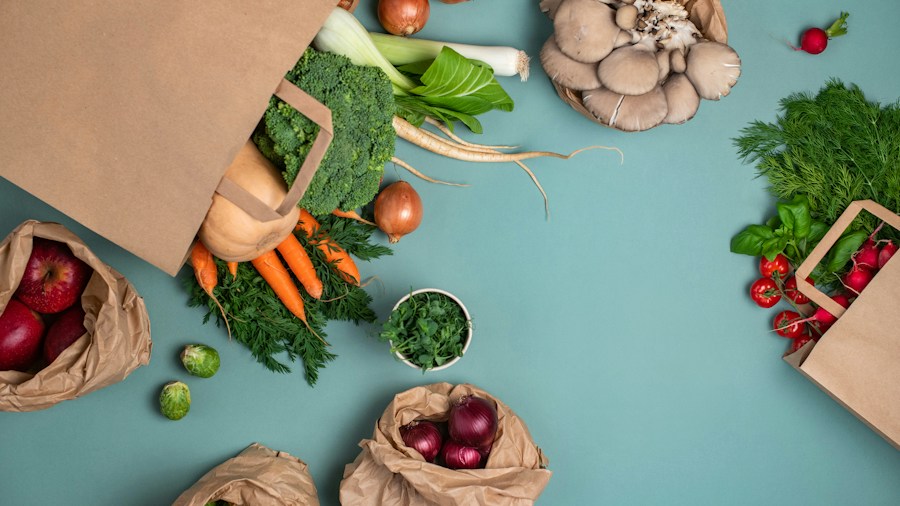
Beyond traditional price reduction strategies, Kroger is responding to shifts in customer preferences. The company has noticed strong demand for natural and organic products and responded by adding over 600 new items in these categories. This move addresses a growing segment of health-conscious shoppers looking for cleaner, less processed options.
The retailer is also expanding its health and wellness initiatives to improve convenience. In August, Kroger launched a new service with Instacart that combines grocery and prescription delivery, using its retail network and logistics strength to reduce friction and improve the overall shopping experience. This approach reflects how retail partnerships can enhance customer access to both groceries and pharmacy services.
What This Means for Shoppers
Consumers should expect gradual but meaningful price improvements at Kroger locations over the coming years rather than immediate dramatic discounts. The company is investing in both lower everyday prices and a more thoughtful promotional strategy tailored to different regions and customer demographics.
Shoppers will likely notice improvements in stock levels, fresher products on shelves, faster checkout and delivery services, and a wider variety of products addressing health and wellness interests. However, they should be realistic about timing. Foran emphasized that cost management is not a quarterly or annual initiative but rather a sustained, multiyear program requiring continuous refinement.
For budget-conscious consumers, this signals that Kroger is taking pricing seriously at the corporate level. The chain recognizes that staying competitive requires not just competing on individual products but building a comprehensive operation that delivers value across the entire shopping experience. The company’s current momentum on shelving, delivery services, and product variety suggests customers may see meaningful benefits emerge steadily throughout the coming years.
Shoppers should monitor Kroger’s progress, as the chain appears committed to demonstrating that it understands customer frustration with rising grocery costs and is taking concrete steps to address the issue through sustained operational improvement and strategic cost management.
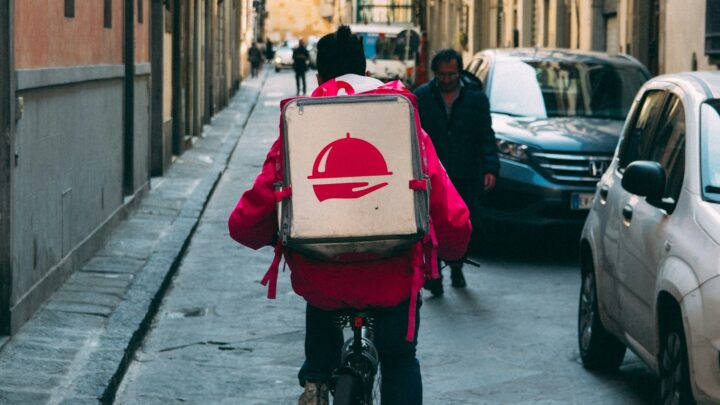 Aldi Faces Lawsuit Over SNAP Delivery Fees: What Shoppers Need to Know
 Costco Emerges as Major Grocery Threat to Traditional Retailers What Shoppers Should Know
 Walmart Activates Shop to Light Feature: What Shoppers Should Know
 Costco Overtakes H-E-B in Customer Satisfaction Rankings: What Shoppers Should Know
 Safeway and Target Lead in Grocery Delivery and Pickup What Shoppers Should Know
 Kroger Uses AI to Predict Ad Performance Before Spending Happens