
The economic forces behind persistent inflation are complex, but they all trace back to one core issue: too much money chasing too few goods and services. August inflation data arrived just as mortgage rates jumped to 6.98%, signaling that higher costs extend well beyond the grocery store and into major purchases like homes. The connection between these trends matters because when inflation remains elevated, the Federal Reserve responds by raising interest rates, which makes borrowing more expensive across the board.
Several factors are currently driving inflation upward. International tensions, including renewed conflict in the Middle East, have created uncertainty in global energy markets. When oil supplies face potential disruption, prices spike, and those costs ripple through the economy. Transportation becomes more expensive, which pushes up the price of delivered goods. Meanwhile, a surprisingly strong job market is also playing a role. In August, the U.S. economy added 162,000 jobs, far exceeding economist predictions and suggesting that workers have stable income to spend. When demand for goods and services remains strong despite high prices, businesses feel less pressure to lower their rates.
What the Fed Plans to Do
The Federal Reserve is scheduled to meet September 15-16, and the latest inflation data strengthens the case for hiking the benchmark interest rate by another quarter percentage point. Higher interest rates are the Fed’s primary tool for slowing inflation. When borrowing costs rise, consumers and businesses tend to spend and invest less, which eventually cools demand and brings prices back down. However, this medicine works slowly, and in the meantime, shoppers continue to feel the squeeze at checkout counters everywhere.
The challenge facing policymakers is balancing inflation control against the risk of slowing the job market too much. A strong labor market can absorb higher interest rates without collapsing into recession, but push rates too high, and you risk putting people out of work. This balancing act means the Fed will likely continue raising rates gradually rather than in dramatic jumps.
What This Means for Your Household Budget
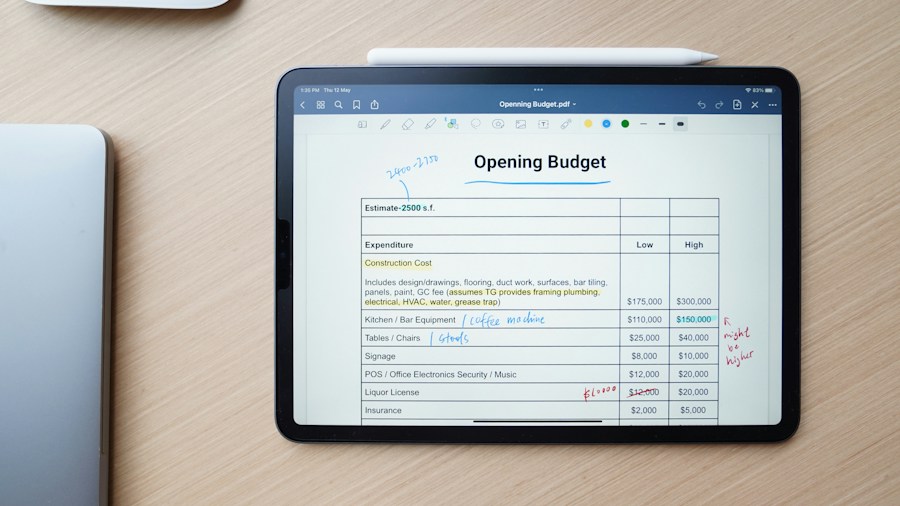
If you have been putting off major purchases, understand that prices are unlikely to drop significantly in the near term. Rising prices for everyday items like food, energy, and transportation are here to stay while the Fed works to bring inflation back to its 2% target. For groceries, plan strategically by buying sales, considering store brands, and reducing food waste. For energy costs, weatherize your home and shop for better utility rates if your area allows it.
Those considering buying a home should know that mortgage rates climbing above 7% make homeownership less affordable than it was a year ago. A higher rate means a higher monthly payment on the same loan amount. However, if you can afford today’s rates and need a home, waiting for lower rates that may not arrive soon could mean missing out on housing that meets your needs. Higher interest rates affect refinancing too, so locking in a rate when you are satisfied with it makes sense rather than gambling on future declines.
Building Financial Resilience
Persistent inflation underscores the importance of building financial cushions. If your emergency fund has been depleted, prioritize rebuilding it to cover three to six months of living expenses. Review your budget to identify areas where you can cut back without sacrificing quality of life. Paying down high-interest debt becomes increasingly valuable when borrowing costs are rising. Every dollar freed from debt payments is a dollar available for necessities or savings.
For workers, this environment rewards those who can negotiate higher wages or seek better-paying opportunities. If your income has not kept pace with inflation, exploring a job change or asking for a raise becomes especially important. Your real purchasing power is declining if your raises fall short of the inflation rate.
Inflation at 3.4% means shoppers must be more intentional with spending, and the expectation of further interest rate hikes by the Federal Reserve suggests this challenging environment will persist through the remainder of the year. Stay informed, adjust your household strategy, and remember that inflation, while frustrating, is a temporary condition that will eventually moderate as higher rates take hold.
 Walmart Fall Deals Sale: What Shoppers Should Know About Early October Shopping
 Consumer Confidence Hits 12 Year Low as Inflation Pressures Shoppers
 Fed Official Says Inflation Still Too High Despite Recent Data Improvement
 Inflation Remains Stubbornly High: What This Means for Your Shopping Budget
 Treasury Yields Hit 19 Year High: What Rising Interest Rates Mean for Your Wallet
 Major Economic Reports This Week: What Inflation Data Means for Your Shopping Budget