What the Numbers Tell Us
The Consumer Price Index, or CPI, measures changes in what Americans typically spend money on across a wide range of goods and services. When it ticks upward faster than expected, it signals that inflation remains a real threat to household budgets. This August report carries extra weight because it arrived just days before the Federal Reserve’s interest rate decision, scheduled for mid-September.
Fed leadership has made clear that fighting inflation remains their top priority. Despite some progress in recent months, policymakers are watching closely for signs that price growth will finally slow down. An outcome that matches or exceeds expectations, as August did, makes it more likely the central bank will consider raising rates further to cool demand and bring prices under control.
Energy Costs Are the Main Culprit
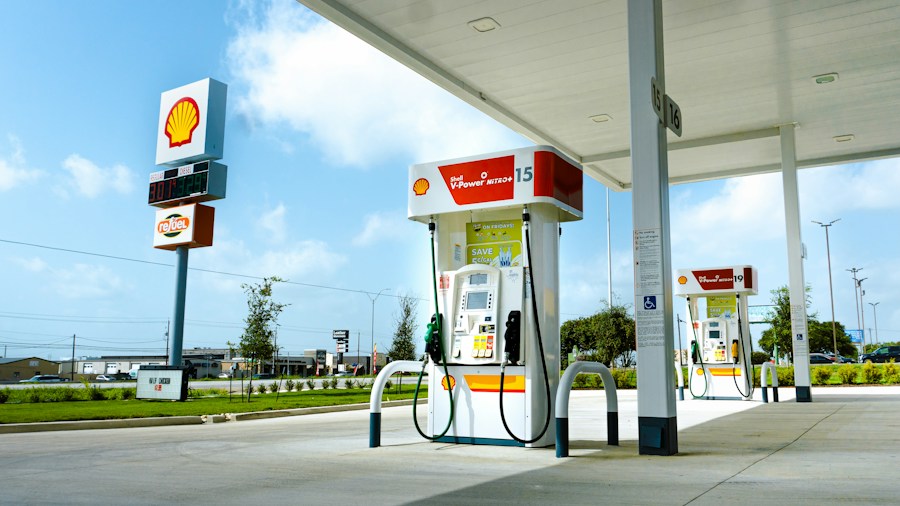
Gasoline and diesel prices have become the primary driver keeping inflation elevated. On the retail side, gas hit a national average of $4.30 per gallon by late August, representing a sharp climb from earlier in the summer. Diesel tells an even more dramatic story, hitting $6.06 per gallon and marking a 60% increase from the same period the previous year.
These energy price spikes matter far beyond the pump. Diesel powers the trucks and trains that move goods across the country, so when fuel costs jump this dramatically, shipping expenses soar. Businesses then pass those higher transportation costs along to consumers through price increases on everything from groceries to packaged goods. This ripple effect means the pain from elevated energy prices reaches nearly every corner of the economy.
Recent escalations in overseas conflicts have pushed oil prices above $100 per barrel, creating uncertainty about future energy supplies. As one leading economist noted, the real concern for policymakers is that there appears to be no near-term resolution in sight, meaning relief at the pump may remain months away.
What This Means for Your Shopping
Higher inflation erodes your purchasing power, plain and simple. The same grocery budget buys you fewer items than it did a year ago. That tank of gas costs significantly more. Everyday expenses stretch household finances tighter, forcing families to make tougher decisions about discretionary spending.
The connection between oil prices and inflation means that any continued conflict or supply disruption could push costs even higher. Businesses relying on transportation have already begun bracing for sustained pressure on their margins, which typically translates into higher prices on retail shelves.
For consumers managing debt, rising inflation also complicates decisions about borrowing. If the Federal Reserve raises interest rates to combat price growth, credit card balances, auto loans, and mortgage rates all become more expensive. This creates a dual squeeze: not only does inflation make goods cost more, but borrowing to purchase those goods also becomes costlier.
The Fed’s Difficult Position

The central bank faces a genuine challenge. Raising rates too aggressively risks triggering a recession and throwing people out of work. Raising them too slowly allows inflation to become entrenched in consumer expectations, making it harder to control down the road. The August inflation report, coming in hotter than anticipated, suggests the Fed may need to maintain a more aggressive stance on rate increases.
Economists monitoring the situation are particularly concerned because interest rate decisions take months to filter through the economy. By the time rate hikes reduce inflation, the damage to household purchasing power may already be done.
Meanwhile, some policymakers have proposed measures like direct payments to consumers that critics warn could reignite inflation by flooding the economy with additional demand when prices are already rising faster than supply can handle.
Bottom Line for Shoppers
The August inflation report makes one thing crystal clear: the battle against rising prices is far from over. Energy costs remain the weak link, and geopolitical risks mean that relief may not arrive quickly. Smart shoppers should continue watching for price increases, consider locking in rates on variable-rate debt before they climb further, and remain cautious about discretionary purchases that might not be necessary right now. The economic environment remains uncertain, and inflation continues to reshape household budgeting priorities.
 Inflation Surges Again: What Rising Prices Mean for Your Wallet
 Walmart Fall Deals Sale: What Shoppers Should Know About Early October Shopping
 Consumer Confidence Hits 12 Year Low as Inflation Pressures Shoppers
 Treasury Yields Hit 19 Year High: What Rising Interest Rates Mean for Your Wallet
 Major Economic Reports This Week: What Inflation Data Means for Your Shopping Budget
 Inflation Pushes More US Households Into Financial Vulnerability: What Shoppers Should Know