
The Math Doesn’t Add Up
The proposal calls for sending $5,000 to roughly 245 million American adults, totaling approximately $1.25 trillion. Officials suggested funding the payments using tariff revenue, but current annual tariffs generate only about $125 billion, far short of what’s needed. That shortfall means the federal government would need to issue significant new debt to cover the cost.
According to senior economists at major fiscal policy centers, borrowing $1.2 trillion would push the federal deficit from its current $1.8 trillion to roughly $3 trillion annually. The U.S. national debt has already surpassed $40 trillion for the first time, making additional borrowing particularly concerning to financial markets and investors.
Inflation Concerns Mirror Pandemic Experience
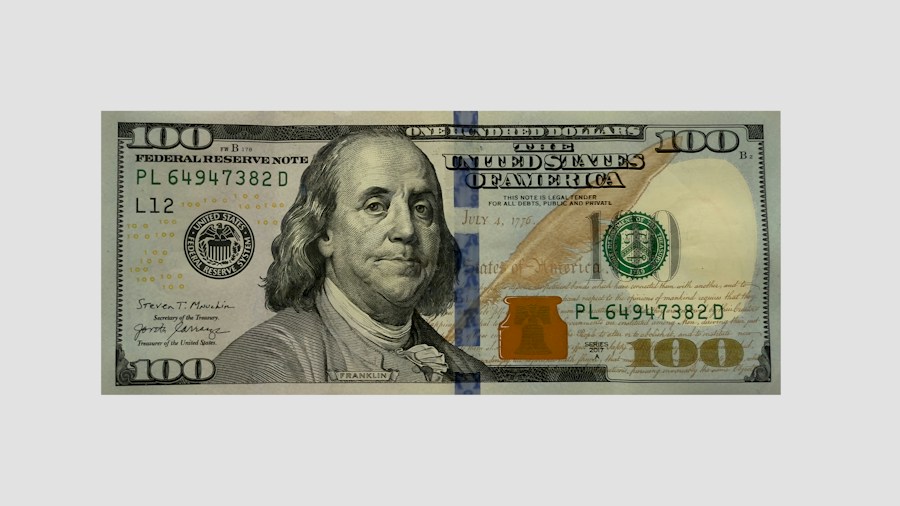
Economists point to recent history as evidence of the plan’s inflationary risks. During the pandemic, multiple rounds of federal stimulus checks contributed to consumer prices reaching a 40-year high in 2022. A $5,000 payment to every adult would likely trigger a similar surge in consumer spending and subsequent price increases.
Current inflation remains elevated, with annual rates expected around 3.3 percent, well above the Federal Reserve’s 2 percent target. Adding hundreds of billions in spending power to consumers when inflation moderates to 3 percent would work directly against efforts to bring prices down. Experts argue this would worsen the very affordability crisis the proposal aims to address.
Impact on Borrowing Costs Across the Economy
Beyond immediate inflation effects, the plan would likely alarm financial markets. Treasury bond investors, already nervous about America’s massive debt load and persistent deficits, would probably demand higher yields to compensate for increased fiscal risk. Those higher yields translate directly into increased borrowing costs for consumers.
Mortgage rates, auto loans, and personal loans would all become more expensive as mortgage rates rise on inflation anxiety. For families already struggling with the cost of living, higher borrowing costs would offset any short-term benefit from a cash dividend.
The U.S. government is already spending more on debt interest than on national defense or Medicare, a concerning trend that would accelerate if deficits doubled as proposed. Markets have largely dismissed the plan as fiscally unrealistic and unlikely to gain congressional support.
What This Means for Shoppers

For consumers worried about inflation and affordability, this proposal presents a troubling picture. While a $5,000 check might seem immediately helpful, the economic consequences would likely prove harmful. Reignited inflation would erode purchasing power, making groceries, gasoline, and other essentials more expensive faster than the dividend could offset.
Higher interest rates stemming from increased government borrowing would make major purchases like homes and cars significantly more costly. Existing credit card debt and personal loans would also become more expensive to carry.
Alternative Cost-of-Living Solutions
The proposal also included other potential measures aimed at reducing consumer costs, such as eliminating credit card swipe fees, which could theoretically save families around $1,200 annually. These targeted approaches address affordability without requiring massive new government debt or risking inflation acceleration.
As August inflation data approaches release, consumers remain focused on the cost-of-living crisis. Gas prices continue hovering above $4 per gallon in many regions, and overall price levels remain stubbornly elevated. Policymakers face genuine pressure to address these concerns, but economists warn that massive stimulus spending would likely backfire.
The fundamental challenge is that the economy does not currently need broad economic stimulus. It needs supply stabilization, targeted relief, and fiscal discipline. A blanket $5,000 payment represents the opposite approach, potentially doubling deficits while accelerating the inflation that already strains household budgets.
 Inflation Surges Again: What Rising Prices Mean for Your Wallet
 Inflation Pushes More US Households Into Financial Vulnerability: What Shoppers Should Know
 Inflation Stays Hot in August as Gas Prices Surge What Shoppers Need to Know
 Tariff on Canadian Imports Could Spike Hockey Gear Prices for Shoppers
 Inflation Data Arrives This Week What Shoppers Need to Know
 August Job Growth Outpaces Forecasts But Inflation Continues to Squeeze Shoppers