
The warning signs are everywhere. Less than 70% of households managed to pay all their bills on time during the past 12 months, a 3-point drop from the previous year. Even more concerning, the share of consumers carrying what they describe as “unmanageable levels of debt” climbed from 29% to 31%. For millions of families, the choice between groceries and other essentials is becoming the default reality rather than an occasional hardship.
Where the Spending Squeeze Hits Hardest
Lower-income households are absorbing the biggest blow. Since 2019, low-income consumers have redirected more than $10 billion away from discretionary purchases and toward basic necessities like food. Meanwhile, higher-income households have shifted more than twice that amount in the opposite direction, channeling extra money into entertainment, dining out, and other non-essential categories. This divergence exposes a widening wealth gap and hints at the unequal nature of inflation’s burden.
Prices themselves have become a steeper hill to climb. Since January 2018, the costs that low-income consumers face have risen 35%, while prices for higher-income shoppers have climbed 31%. That extra 4-percentage-point burden on lower earners adds up quickly across groceries, utilities, rent, and transportation. The cumulative effect leaves many families choosing between paying rent on time or restocking the pantry.
Recent policy changes have made matters worse. Cuts to federal nutrition and medical assistance programs have erased tax relief for vulnerable populations. Student loan borrowers are also struggling, with delinquencies rising sharply and more than a quarter now reporting financial vulnerability, up from 21% a year ago. Immigration enforcement actions have pushed many workers out of the labor force entirely, further shrinking household income across immigrant communities.
Consumer Pessimism on the Rise
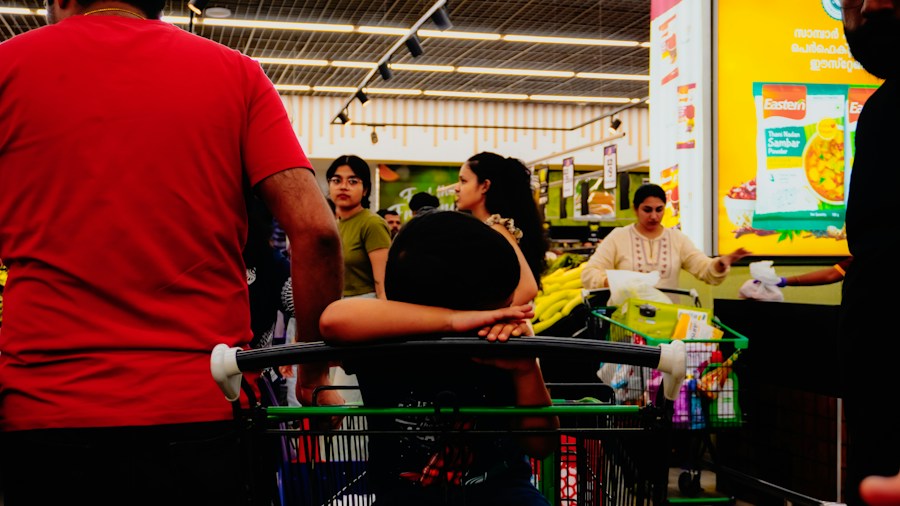
Beyond the immediate numbers, something deeper has shifted in how Americans view their financial future. The number of consumers who expect to be worse off financially in five years rose sharply between 2020 and 2026. This pessimism reflects genuine economic anxiety rather than temporary setbacks. As the Financial Health Network researchers noted, households are grappling with “growing sense of financial uncertainty and pessimism” tied to doubts about both earnings growth and inflation trends.
Despite this gloom, retail spending has held up better than many forecasters predicted. Consumer spending remained relatively steady through 2025, even on discretionary items, as shoppers tapped into savings and adjusted their habits to keep buying. However, retail analysts warn this reprieve may not last. Fed rate hikes and continued price pressures threaten to dampen sales trends heading into 2026.
Energy prices, rising commodity costs, and increases in transit expenses loom as fresh headwinds. “Macro pressures have persisted and intensified,” according to retail experts, who caution that elevated inflation and oil price volatility could pressure consumer spending more severely than current trends suggest. Many shoppers are already running on fumes: they’re drawing down savings accounts to maintain their lifestyle, but that strategy has natural limits.
What This Means for Your Wallet
The immediate takeaway for shoppers is straightforward: prioritize building an emergency fund if you haven’t already. With inflation continuing to erode purchasing power, having three to six months of expenses set aside provides a critical buffer. Track your essential expenses ruthlessly, and cut discretionary spending where you can without sacrificing your mental health entirely.
If you’re carrying debt, focus on high-interest balances first. With financial vulnerability rising, the worst time to owe money at credit card rates is when income isn’t keeping up with costs. Look for opportunities to boost earnings, whether through side work, negotiating a raise, or exploring assistance programs you may qualify for.
For families already stretched thin, investigate whether you’re eligible for nutrition assistance or other federal programs that may help offset costs. Local food banks and community resources can also bridge gaps during lean months. The data shows that millions of American households are in your situation, and accepting help is a practical choice, not a personal failure.
The broader message from this research is sobering: inflation is not a uniform crisis, and recovery will likely be uneven. Lower-income households will need to get creative and strategic to weather what comes next, while policymakers face growing pressure to address the widening divide between those who can absorb price shocks and those who cannot.
 Inflation Surges Again: What Rising Prices Mean for Your Wallet
 Inflation Remains Stubbornly High: What This Means for Your Shopping Budget
 Bond Market Warning: What Surging Interest Rates and Inflation Mean for Your Wallet
 Federal Reserve Signals Modest Rate Increases Ahead to Combat Inflation
 Federal Reserve Rate Hike Coming: What It Means for Your Wallet
 Federal Reserve Rate Hike Expected: What Inflation Means for Your Wallet