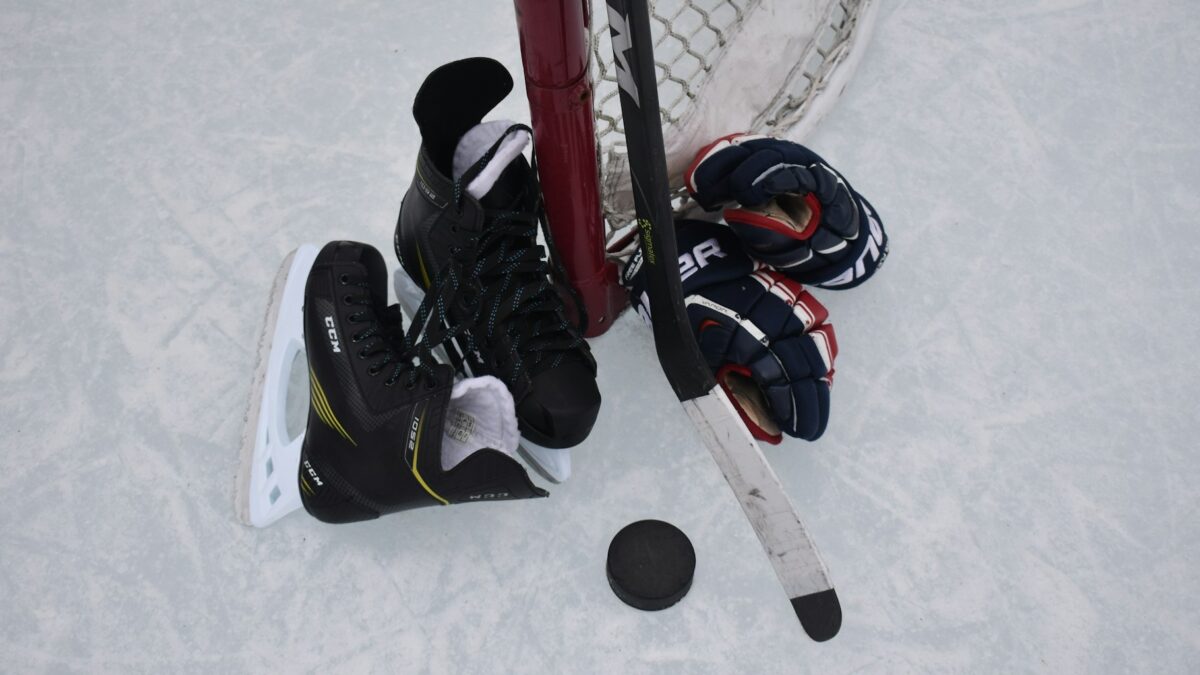
For families already struggling with equipment expenses, the timing could not be worse. A single goaltender’s helmet that cost $400 in 2022 now runs $1,000. Chest protectors purchased just a year ago for $465 are now priced at $900. Hockey sticks, among the most frequently replaced items, average around $200, with premium models reaching $400 or more. These increases reflect years of inflation and prior tariffs, but the new Canadian tariff threatens another substantial jump.
What Products Face Tariffs
Hockey sticks and skates represent only a portion of the equipment affected. Custom goalie gear, protective padding, and specialized footwear all carry the tariff burden since major manufacturers including Bauer, CCM, and True still produce substantial quantities in Canada. One family’s custom goalie setup that cost $3,300 a couple of years ago would likely cost considerably more today when ordered new. Retail leaders in the industry note that skate pricing has already doubled or tripled over recent years, jumping from the $80 to $900 range in 2016 to today’s $200 to $1,230 range.
While global tariff tensions continue mounting, Canada supplies only about 8.5% of hockey equipment imports. China dominates with 52.7% of imports, followed by Vietnam at 13.2% and Thailand at 9.5%. For hockey sticks specifically, China provides over 74% of the 2.1 million units imported annually, Mexico contributes nearly 13%, and Canada supplies less than 1%. This modest market share means tariffs may not push prices up the full 50%, but even modest increases add up quickly for families buying multiple pieces annually.
The Real Cost to Hockey Families
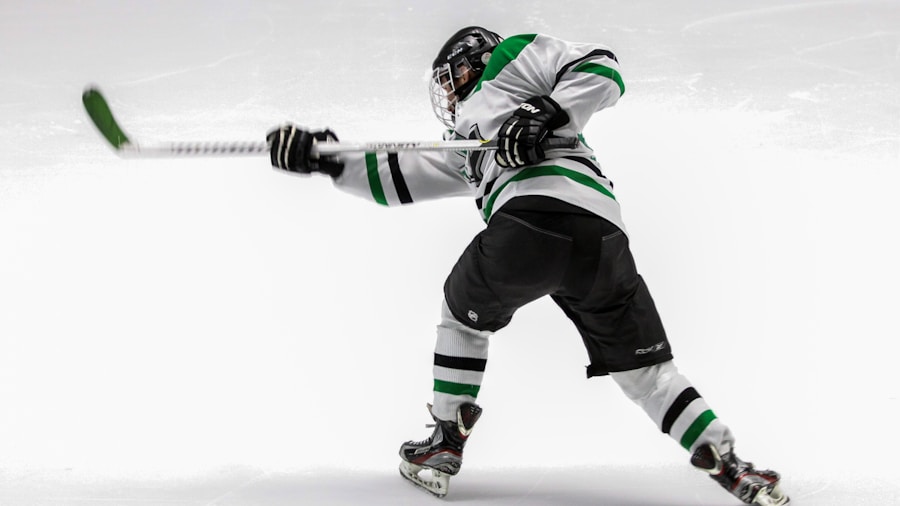
For parents, the math is sobering. A family that breaks a hockey stick during a season might face a $50 or $100 increase in replacement cost, depending on the model. While that may seem minor in isolation, economics experts worry about the cumulative effect. Families already at the financial margin of affording hockey may decide that additional costs make participation impossible for their children.
This concern arrives at a particularly sensitive moment. Hockey participation in the United States has surged 7% over the past three years, driven by increased visibility from the Winter Olympics, professional competitions, and organized learn-to-play programs that provide equipment and ice time access. A tariff-driven price spike could reverse this growth trajectory.
How Manufacturers and Retailers May Respond
Industry observers point to the pattern established when tariffs on Chinese goods took effect previously. Initially, major manufacturers absorbed costs and absorbed the financial hit. After several months, they informed retailers and distributors that price increases were unavoidable. This delay meant that price jumps were not instantaneous, but they came nonetheless. The same sequence could unfold with Canadian tariffs.
Economics experts suggest that expectations about tariff permanence will determine how quickly prices rise. If manufacturers believe these duties are temporary, they may delay passing costs along to consumers. If tariffs are perceived as long-term or permanent, price increases typically happen swiftly. Given the current unpredictable trade environment, where tariff policies change frequently, businesses struggle to form reliable cost projections.
Some industry leaders believe sustained tariffs will accelerate efforts to move manufacturing away from Canada toward the United States, Asia, or other regions. One major Canadian hockey stick manufacturer recently reaffirmed its commitment to domestic production despite the challenges, suggesting that at least some capacity will remain north of the border.
What Shoppers Should Know
Hockey families should expect tariff impacts on retail pricing to materialize over the coming months. The Sports and Fitness Industry Association is actively advocating for tariff removal, emphasizing both the modest Canadian market share and the risk to youth participation growth. Industry leaders stress that this represents a critical moment for the sport’s continued expansion.
Shoppers considering equipment purchases may want to act strategically. Buying now, before retail price increases take hold, could yield meaningful savings. Families should also explore programs that provide discounted or free equipment, as many teams and leagues offer these resources for new players. The financial pressure from tariffs makes these access programs even more valuable than before.
 Inflation Surges Again: What Rising Prices Mean for Your Wallet
 U.S. China Tariff Cuts What Shoppers Need to Know
 Tariff Impact on Toy Collectibles: What Collectors and Shoppers Should Know
 U.S. China Trade Truce Extended Through January: What It Means for Your Shopping
 Inflation Pushes More US Households Into Financial Vulnerability: What Shoppers Should Know
 Kroger Takes Stand Against Suppliers: What Shoppers Need to Know