Why the Tariff Is Being Removed
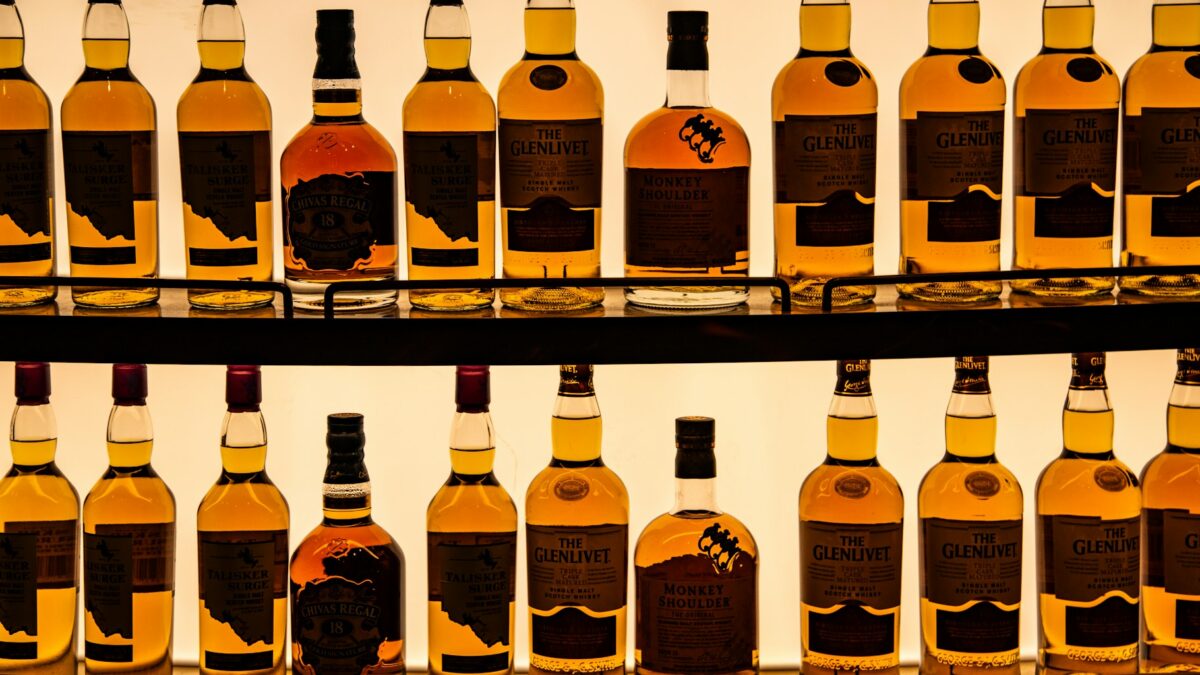
Trump indicated that he faced considerable pressure from multiple parties to take action on Irish whiskey tariffs. During his remarks, he noted that golfers and other individuals had repeatedly asked him to address the issue. His decision follows a similar move made in May, when he lifted tariffs on United Kingdom whiskey, including Scotch and spirits produced in Northern Ireland. That earlier action was attributed to a visit from King Charles III and Queen Camilla to the White House.
The 15% tariff on Irish whiskey had been part of broader duties imposed on European Union imports. Industry groups, particularly the Irish Whiskey Association, had actively campaigned for removal of these taxes, arguing that the tariffs created uncertainty for American consumers and complicated business operations for U.S. companies that stock Irish products.
What This Means for Shoppers

The removal of this tariff could translate into lower prices for Irish whiskey on store shelves across America. When import duties are eliminated, retailers typically pass at least a portion of those savings on to consumers. Irish whiskey brands have experienced reduced competitiveness compared to other spirits due to the 15% additional cost imposed at the border. With tariffs gone, these products may become more price-competitive with other options.
However, shoppers should note that the exact timing of price reductions remains unclear. Trump’s announcement did not include specific details about when the tariff removal would take effect or how quickly retailers would adjust their pricing. Typical tariff elimination processes can take weeks or months to fully implement across supply chains.
The Broader Tariff Picture
This development reflects ongoing negotiations and policy adjustments in U.S. trade relations. The tariff landscape for imported goods has been subject to frequent changes, affecting everything from consumer goods to specialty products like alcoholic beverages. Shoppers dealing with tariff-related price pressures should stay informed about policy shifts, as they can significantly impact what they pay at checkout.
The decision to remove tariffs on Irish whiskey while maintaining duties on other products shows a selective approach to trade policy. Some tariffs have faced legal challenges, with retailers accused of keeping refunds rather than passing savings to customers. Other markets continue to implement their own retaliatory tariffs, such as when Canada imposed tariffs on American goods in response to U.S. trade actions.
Industry Response and Next Steps
The Irish Whiskey Association and related industry groups have advocated strongly for tariff removal, citing the competitive disadvantage these duties create. Industry representatives argued that the tariffs harmed not only Irish distillers but also American importers, distributors, and retailers who carry these products. The association’s push for relief appears to have contributed to the president’s decision.
Consumers interested in Irish whiskey should monitor retail prices over the coming weeks and months. Some retailers may quickly reduce prices to capitalize on marketing opportunities, while others may implement changes more gradually. Specialty liquor stores, large chain retailers, and online merchants may all adjust their pricing on different timelines.
The removal of this tariff demonstrates how trade policy directly affects what American consumers pay for imported goods. While the immediate impact may be modest for casual buyers, regular purchasers of Irish whiskey could see meaningful savings accumulate over time. The announcement signals a willingness to adjust tariff structures based on political and industry pressure, which may affect future policy discussions around other imported products facing similar duties.
 U.S. China Tariff Cuts What Shoppers Need to Know
 Tariff Impact on Toy Collectibles: What Collectors and Shoppers Should Know
 U.S. China Trade Truce Extended Through January: What It Means for Your Shopping
 Federal Reserve Rate Hike Expected as Tariff Pressures Build on Inflation
 Kroger Removes Boar’s Head Products from Stores: What Shoppers Should Know
 Bombardier Trade War Threat What Buyers Should Know