What Triggered the Threat
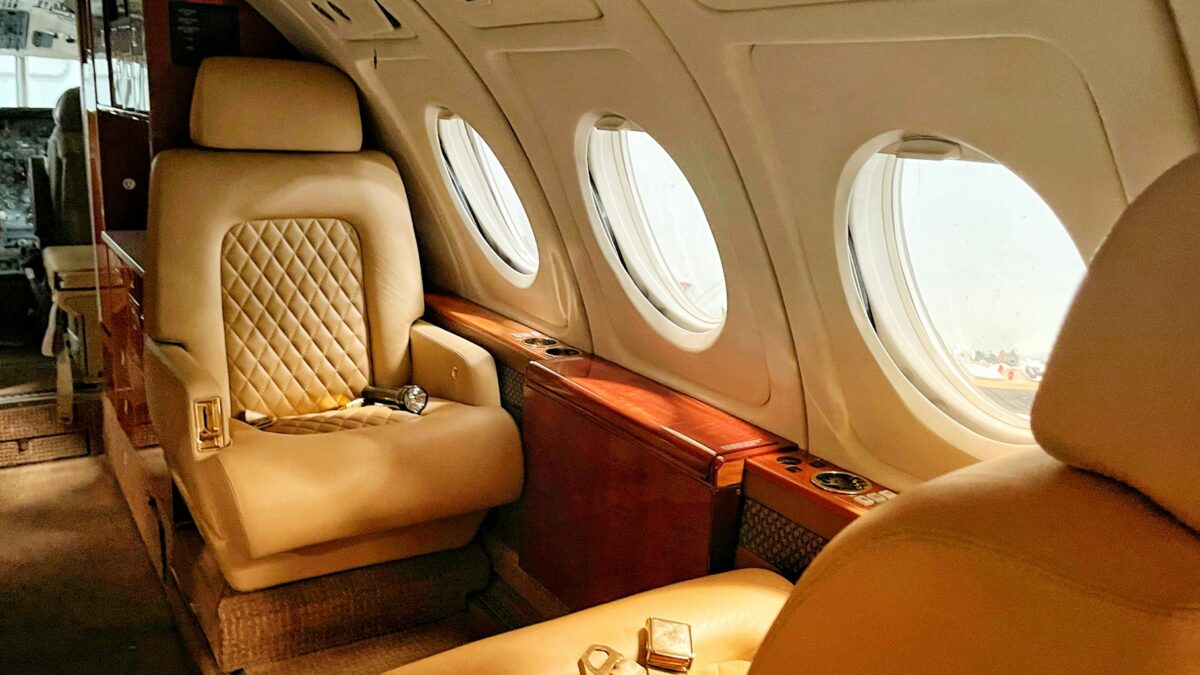
In recent days, President Trump issued a pointed warning on social media directed at Montreal-based Bombardier. He threatened to block the company from selling its aircraft in the United States unless it shifts manufacturing to American soil. The statement came as Canada imposed steep tariffs on U.S. goods, marking an intensification of the ongoing trade conflict between the two nations.
Trump criticized the quality of Bombardier’s products and accused the company of treating America as a financial resource. The timing was significant, arriving just hours before Canadian tariffs affecting $20 billion worth of American merchandise took effect.
The Scale of Bombardier’s American Presence

Understanding why this threat matters requires recognizing just how deeply Bombardier is woven into the American economy. The company operates manufacturing and assembly facilities in ten U.S. states, including Arizona, California, Texas, and Kansas. More broadly, Bombardier employs tens of thousands of workers across the country and maintains a network of service centers in major cities like Dallas, Hartford, Miami, and Wichita.
What’s particularly significant is Bombardier’s supply chain footprint. The company works with approximately 2,800 U.S.-based suppliers spread across 47 states. Annual spending with American vendors exceeds $2.5 billion. Bombardier sources more than half of its aircraft components domestically, a higher percentage than some of its American competitors.
What Could Happen to Jet Customers
Experts debate whether Trump could legally enforce such a ban, but the uncertainty alone creates problems. The business jet market is experiencing unprecedented demand. Wealthy individuals and corporations face multi-year waiting lists for new aircraft as the tariff dispute escalates between Washington and Ottawa.
Financial analysts from major investment banks have raised concerns that restricting Bombardier aircraft would severely disrupt American customers already struggling to obtain jets. The surge in demand stems partly from pandemic-era wealth creation and the growth of private jet charter services. High-net-worth individuals account for roughly 60% of Bombardier’s customer base.
Beyond private users, the company supplies aircraft to American airlines, the U.S. Department of Defense, and other federal agencies. The Defense Department, in particular, relies on Bombardier planes for intelligence, surveillance, and reconnaissance missions because of their speed and high-altitude capabilities. Any disruption could affect national security operations.
The Economic Interconnection

One critical detail underscores how complicated international trade has become. Bombardier’s Challenger Jets use engines manufactured by Honeywell in Phoenix, Arizona. Wings are produced in Red Oak, Texas, while flight control components come from the company’s Los Angeles facility. A ban would hurt not only Bombardier but also these American suppliers and manufacturers.
Bombardier announced in January its plans to expand U.S. operations further, including opening a new facility in Fort Wayne, Indiana. These investments signal confidence in the American market and employment base, even amid trade uncertainties.
What Happens Next
While analysts question whether a complete sales ban is legally enforceable, they acknowledge that continued pressure from the White House could influence ordering patterns. Companies and buyers might delay purchases until a formal trade agreement between the U.S. and Canada materializes.
Some observers note that affected customers could potentially take delivery of aircraft registered outside the United States, though this would involve added complexity and cost. The threat itself, however, creates hesitation in a market already stretched by supply constraints.
For American consumers considering luxury goods or those depending on private aviation, the broader lesson is clear: trade friction between nations affects pricing, availability, and choice. Whether through direct tariffs or indirect pressure campaigns, the economic relationship between the U.S. and Canada influences what products Americans can access and at what cost. Understanding these connections helps shoppers anticipate potential impacts on their purchasing decisions in coming months.
 Gas Price Surge What Shoppers Should Know Before the Holidays
 Dollar General Strengthens Leadership in Supply Chain and Legal Operations What Shoppers Should Know
 Federal Reserve Rate Hike Expected as Tariff Pressures Build on Inflation
 Trump Removes 15% Tariff on Irish Whiskey: What Shoppers Should Know
 Diesel Prices Hit Record High: What Rising Fuel Costs Mean for Your Grocery Bills
 Dollar General Deploys AI Technology Across Supply Chain: What Shoppers Should Know