Trump Administration Eases Tariffs on Imported Ground Beef Starting September 1
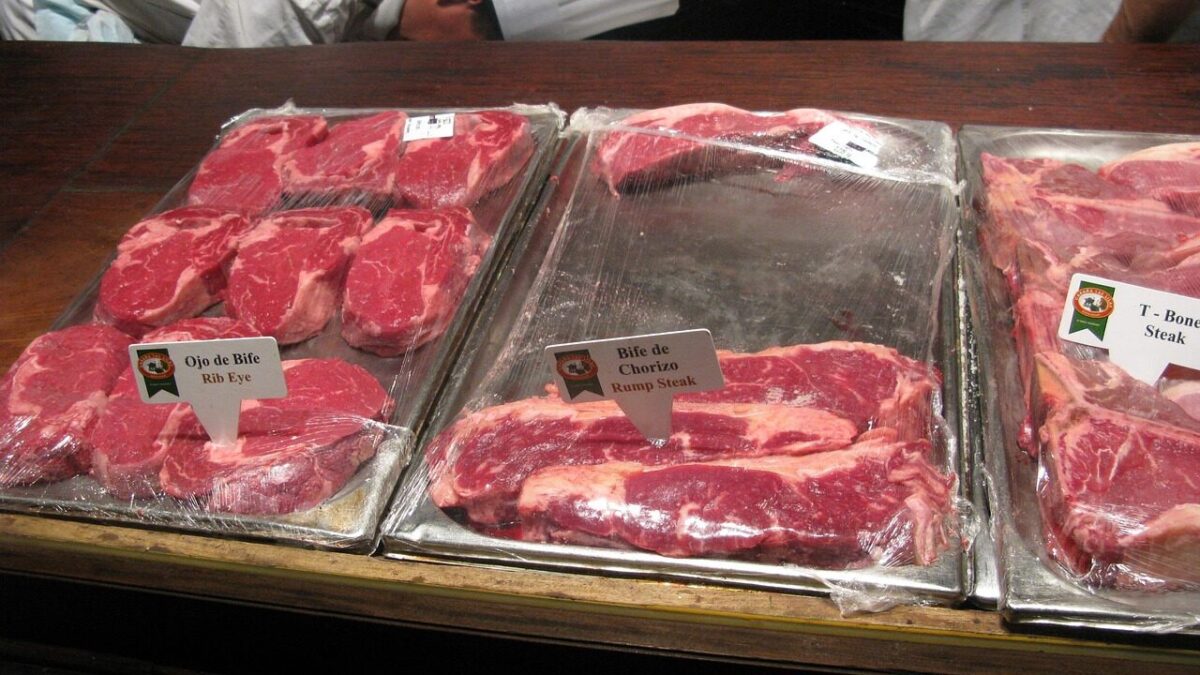
The Trump administration announced plans to temporarily reduce tariffs on foreign ground beef imports, allowing up to 300,000 metric tons (roughly 661 million pounds) to enter the U.S. market at significantly lower prices. The tariff waiver takes effect September 1 and targets lean beef trimmings, which processors blend with domestic beef to produce ground beef products sold in supermarkets. According to the White House, this measure aims to ease consumer costs at a time when beef prices have climbed to nearly $7 per pound.
Why Beef Prices Have Soared
U.S. beef prices have surged dramatically over the past year, increasing roughly 63 cents per pound in the last 12 months and $2.93 per pound since 2021. Tight cattle supplies and rising production costs have squeezed both ranchers and consumers. The administration argues that importing more affordable beef trimmings from abroad will help lower retail prices and provide relief to households struggling with grocery bills.
The White House stated the action includes safeguards designed to protect American ranchers while giving domestic producers space to rebuild their herds. Officials claim the temporary nature of the waiver means foreign competition will not permanently undermine domestic production.
Ranchers Voice Serious Concerns
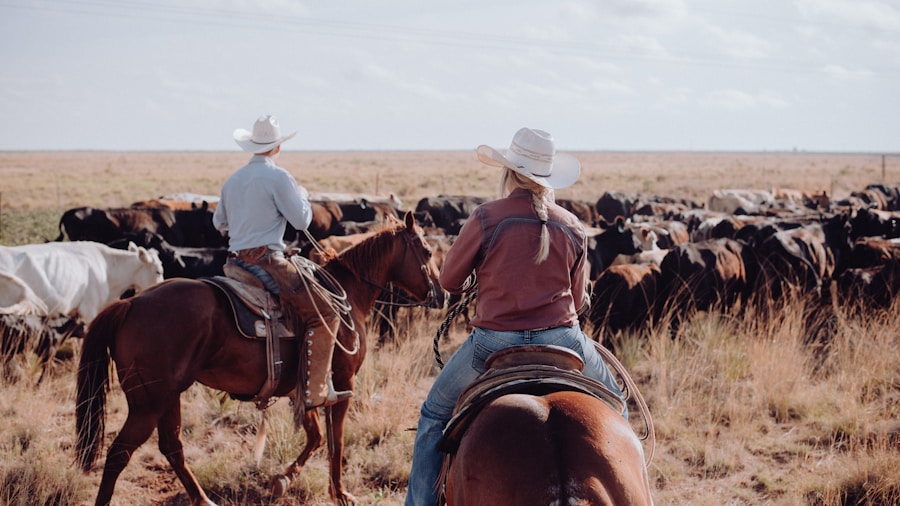
Despite White House assurances, cattle ranchers are expressing alarm about the tariff waiver. They worry that cheaper imported beef will drive down prices for their livestock at auction, making it even harder to stay profitable. Many ranchers already face elevated input costs for feed, diesel, and fertilizer, and falling cattle prices could force difficult decisions about whether to keep or sell their animals.
Shawn Harris, a Georgia rancher, warned that the timing creates a perfect storm for the agricultural community. “Right now, we got crazy input costs when it comes to tariffs and diesel, fertilizer, everything,” he said. “And now farmers are about to sell cattle, and we’re going to lose money on this deal.”
The American Farm Bureau Federation highlighted another problem: the import window coincides with the peak sales season between September and November, when ranchers make critical decisions about herd size. An influx of cheaper foreign beef during this crucial window could suppress domestic cattle prices precisely when producers are planning their operations for the coming year.
What It Means for Meat Industry Leaders
Kimberly Ratcliff, CEO of a major beef processing company, acknowledges the plan may offer short-term consumer savings but won’t address the core challenge facing ranchers. “Right now, it’s costing $1,100 a year just to keep a cow,” she explained. “That’s a lot of inputs to put in a cow when you’re unsure what the market’s going to do.” Ranchers facing such steep annual costs are increasingly willing to accept whatever price the market offers today rather than hold animals and hope prices improve.
This dynamic creates a counterproductive cycle. Lower tariff policies affecting food costs may temporarily reduce prices at checkout, but if they discourage ranchers from keeping cattle, the domestic herd shrinks. A smaller herd means beef shortages down the road, which ultimately pushes prices back up for consumers.
What the Administration Plans Next
President Trump announced additional measures aimed at supporting ranchers, including changes that would allow farmers and ranchers to process their own meat without relying exclusively on large meatpacking companies. This addresses a longstanding complaint from agricultural producers who feel trapped between rising input costs and concentrated processing companies that control pricing.
The administration plans to draft several policy actions to further support the agricultural sector, though specific details remain unclear. The processing measure could give ranchers more flexibility and potentially higher margins, though implementation details have not been released.
What Shoppers Should Expect
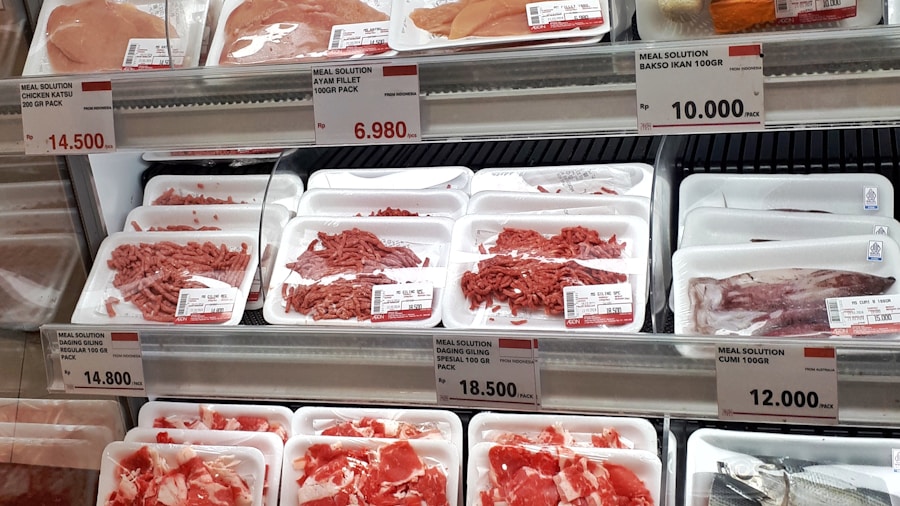
For consumers, the tariff waiver means lower beef prices starting September 1, at least temporarily. Ground beef prices should decline noticeably as cheaper imported trimmings enter the supply chain. However, the full impact depends on how retailers pass along savings to shoppers and how long the waiver remains in effect.
The key question is sustainability. If the tariff relief reduces rancher profitability so severely that herd rebuilding stalls, future tariff decisions affecting retail prices could backfire. Short-term savings might come at the cost of higher prices later when domestic beef supply tightens further.
Shoppers should monitor their grocery bills starting in September to see how much savings materialize, while keeping an eye on longer-term trends in beef availability and pricing. The tariff waiver offers immediate relief but remains a temporary measure, making the outlook for sustained affordability uncertain.
 Kroger Price Cuts What Shoppers Need to Know
 Federal Reserve Rate Hike Expected as Tariff Pressures Build on Inflation
 Trump Removes 15% Tariff on Irish Whiskey: What Shoppers Should Know
 Grocery Inflation Flat in August: What This Means for Your Wallet
 Bombardier Trade War Threat What Buyers Should Know
 Volkswagen Cuts 50,000 Jobs and Closes Plants: What Tariffs Mean for Car Shoppers