Kroger Customer Traffic Declines: What Shoppers Need to Know
Kroger’s in-store traffic has been falling for several weeks, and many observers say they understand why. The decline reflects a significant shift in how the grocery giant operates, with major consequences for the shopping experience customers encounter when they walk through store doors.
The Root Cause: Prioritizing Digital Over In-Store
The company has invested heavily in ecommerce and online fulfillment, making these operations central to its business strategy. However, this focus comes with a hidden cost. Online order picking is labor-intensive, and to meet those demands, stores pull employees from other departments. The result is a chain reaction that degrades the in-store experience in multiple ways.
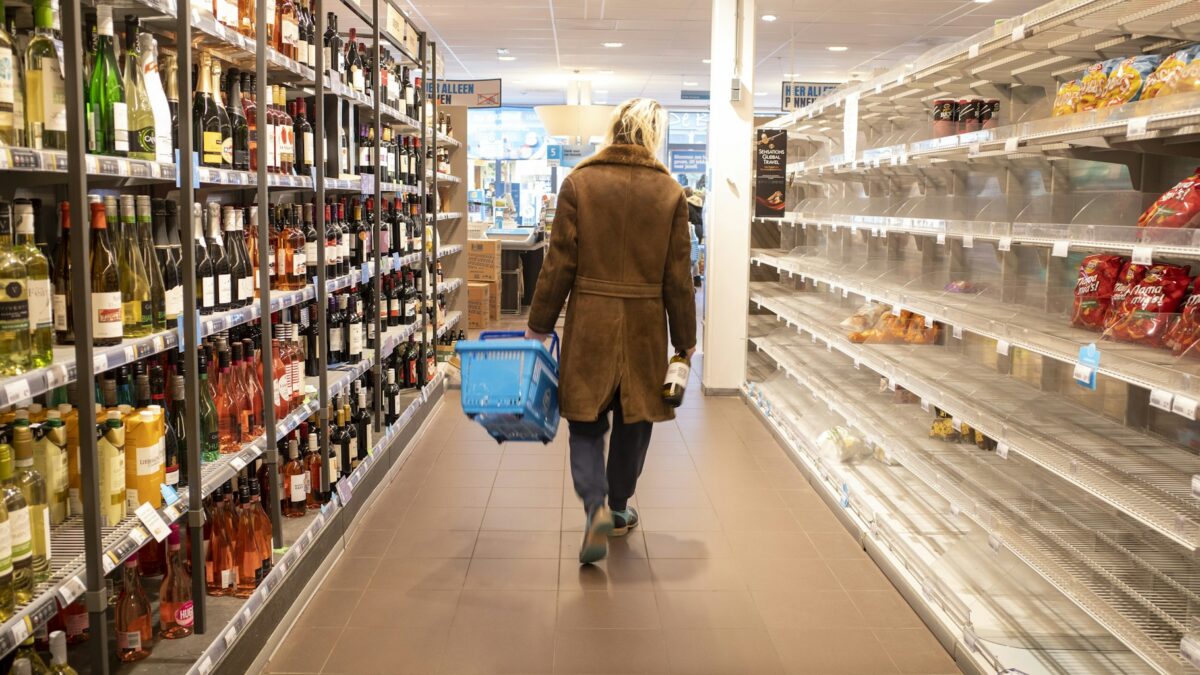
Large picking carts now clog store aisles that were never designed to accommodate them. Shelves sit understocked because staff who would normally maintain them are instead filling online orders. Customers report encountering crowded, cluttered shopping environments where navigation itself becomes frustrating.
Impact on Key Departments
Departments that require consistent staffing and expertise have suffered most. The meat, deli, and bakery sections remain important draw points for customers, yet many operate with minimal staffing despite the demands of food preparation, sanitation, and food safety compliance. This creates a vicious cycle: frustrated customers shop these departments less often, which justifies lower staffing levels in management’s eyes, which further discourages customers from visiting.
Employee retention compounds the problem. Stores already struggling with labor shortages cannot afford to lose experienced workers through inconsistent management practices. When skilled staff leave, quality and service decline even further, pushing more customers toward the convenience of online ordering or competing retailers.
The Checkout Experience
The in-store checkout process has also become a pain point for many shoppers. Some locations have reduced or eliminated traditional staffed checkout lanes in favor of self-service options. Combined with digital coupon requirements and other friction points, this has driven more customers to use pickup services rather than shop in person. What began as an initiative to reduce labor costs has instead convinced customers to avoid the store altogether.
A Broader Industry Slowdown
To be fair, Kroger’s traffic decline occurs within a broader context. Some industry observers note that traditional grocers across the board experienced modest traffic growth of just 0.9% in July, suggesting the entire sector faces headwinds. Multiple vendors report sales declines ranging from 5% to 10% across various retail locations, indicating that broader economic conditions are at play.
However, this does not excuse operational decisions that actively discourage store visits. While general market conditions may be soft, retailers can still compete on experience. Kroger appears to be swimming against the current rather than with it.
Scaling a Broken Model
Another concern raised by observers is Kroger’s expansion plans. The company continues to open new locations, but each inherits the same operating model that is struggling in existing stores. If core issues around labor management, ecommerce economics, and the in-store customer experience remain unresolved, simply adding more locations will replicate these problems at larger scale.
The irony is stark: Kroger invests substantial resources to help customers avoid entering stores while simultaneously removing the features and services that would make customers want to visit them. This strategy may work in the short term for specific metrics, but it creates long-term vulnerability.
What This Means for Shoppers
For consumers, declining traffic at Kroger could signal either opportunity or warning, depending on your shopping habits. If you prefer quick online pickup, the company’s focus on ecommerce remains strong. However, if you value traditional grocery shopping with well-stocked shelves, responsive employees, and efficient checkout, the current direction suggests deteriorating conditions.
Customers frustrated by empty shelves, cluttered aisles, long self-checkout waits, and thin staffing in key departments may find better experiences at competitors who have chosen to maintain robust in-store operations alongside their digital offerings. The decline in grocery shopping patterns may ultimately reflect rational consumer choice in response to measurable changes in service quality.
As this situation unfolds, shoppers should monitor their local Kroger locations for service trends and consider whether their grocery dollars might find better value and experience elsewhere. The declining traffic may not be a problem for Kroger to solve, but rather a symptom of choices the company has already made.
 Aldi Faces Lawsuit Over SNAP Delivery Fees: What Shoppers Need to Know
 Costco Emerges as Major Grocery Threat to Traditional Retailers What Shoppers Should Know
 Walmart Activates Shop to Light Feature: What Shoppers Should Know
 Costco Overtakes H-E-B in Customer Satisfaction Rankings: What Shoppers Should Know
 Walmart Fall Deals Sale: What Shoppers Should Know About Early October Shopping
 Kroger Uses AI to Predict Ad Performance Before Spending Happens