When Promotions Expire and Why That Timing Matters
Most internet plans start with a promotional rate that lasts about 12 months, according to reporting on Spectrum and other major providers. After that period ends, your bill jumps by $20 to $40 per month without warning. This price jump is the single best reason to call and negotiate.
The window to act is right before or as your promo rate ends. At that moment, you hold leverage: your provider knows that acquiring a new customer costs them $250 to $400, far more than the $10 to $40 monthly discount they might offer you to stay. Call before your promotional period fully expires, or immediately after your first rate increase notice arrives.
If you are already past the promo period and paying standard rates, you can still negotiate, but your leverage is weaker. Some providers will offer you a new promotional rate if you threaten to switch, but that works best if you have genuine alternatives in your area.
The Retention Call Script That Actually Works
A direct phone call beats email or chat because retention representatives have more authority to approve discounts when speaking with you verbally. Here is a step-by-step approach based on successful negotiation reporting:
- Call the right department. Reach your provider’s main customer service line and tell the automated system you want to cancel or disconnect. This routes you to the retention team, whose entire job is to prevent you from leaving.
- Introduce yourself and state your reason. Say: “Hi, I’m [your name]. My internet bill has increased to [amount], and I’ve been a loyal customer for [how long]. I’m considering switching to [competitor name] because they offer [specific offer]. I’d like to see if you can match that pricing or offer me a better deal to stay.”
- Mention a real alternative. Name a specific competitor plan and price. Reporting shows that mentioning T-Mobile Home Internet at $50 per month with no price increases, or AT&T Fiber if available in your area, gives the rep a concrete target to beat. Do not say “I’m thinking about switching” without naming what you are switching to.
- If the first offer is too small, push back. Say: “I appreciate that, but at [their offer], it’s still more than I’d pay with [competitor]. Is there promotional pricing available for existing customers? I’ve seen [your provider] advertising new customer rates of [amount], and I’d like to receive the same pricing.”
- Ask for a supervisor if needed. Different representatives have different discount authority. If one rep cannot help, ask for a retention specialist or supervisor. Reporting confirms that supervisors often have higher approval limits.
- Confirm everything in writing. If you reach a deal, get the rep’s name, the new rate, when it takes effect, and a reference number. Ask the rep to email you a confirmation or tell you how to access it online.
Equipment Fees and Hidden Charges to Challenge
Your bill often climbs beyond the base rate because of add-on charges. Reporting identifies several recurring fees worth removing:
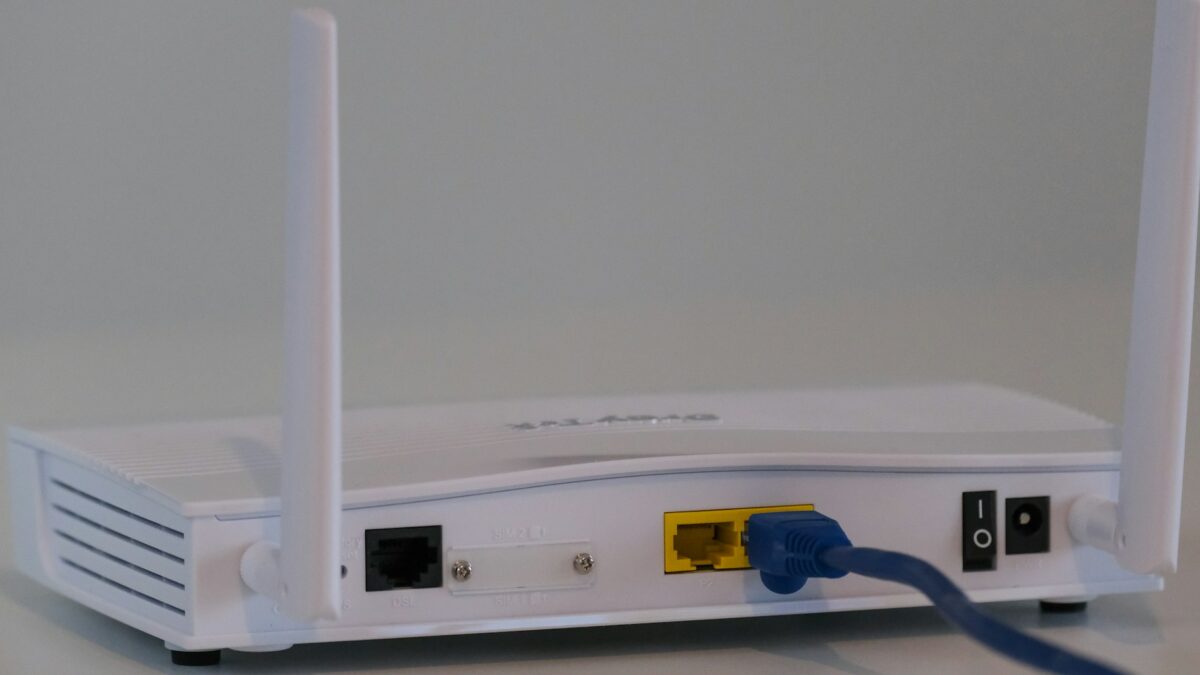
- Router rental: Many providers charge $5 to $15 per month to rent their equipment. Buying your own compatible router costs $60 to $100 and pays for itself in 12 to 20 months. Ask your provider which routers work with your service, buy one, and return the company’s equipment to remove the monthly fee.
- Mobile backup or security suites: Services bundled into your bill like mobile backup or advanced security software often cost extra monthly. Reporting notes that Windows Defender and browser-based security are sufficient for most users, so canceling these add-ons saves money without sacrificing protection.
- Price lock and bundling myths: Providers advertise price lock guarantees, but reporting reveals that rates increase annually despite these claims. Bundling internet with TV and phone also rarely saves money compared to buying internet alone and using streaming services.
When you call to negotiate, ask the rep to review your entire bill line by line and remove any service you do not actively use. This often saves an extra $5 to $15 per month on top of any rate reduction.
When Switching Beats Negotiating
Negotiation works well if you have real alternatives in your area, but not all Americans do. Reporting indicates that over 96 percent of U.S. counties show high market concentration, meaning most people have severely limited broadband options. Some have only one ISP available.
If you have multiple providers to choose from, calculate whether switching is cheaper than negotiating. A new customer promo rate might be lower than what negotiation can achieve. One specific tactic reported by users: cancel your service, wait 30 days (during which Spectrum and similar providers reclassify you as a new customer), then sign up again under the new customer promotional rate. You will be without internet for a month, so this only works if you can arrange temporary service from another provider like T-Mobile Home Internet, which costs $50 per month with no contract and can be canceled anytime.
If you live in an area with only one ISP, even a single provider without contracts still has incentive to negotiate through the retention department, because losing you means zero revenue from your account rather than a reduced rate. Call and ask to speak with the retention team or new sales department, both of which have more flexibility than standard customer service.
Timing Your Call for Better Results
Reporting on call center operations suggests that calling Tuesday through Thursday between 9 a.m. and 11 a.m. tends to mean shorter wait times and reps who are fresher and may have more authority to approve discounts. Avoid calling Monday mornings (when call volume peaks) or Friday afternoons (when reps are tired and less motivated).
If your first call does not result in a good offer, call back a different day. Different representatives have different discount authority, and a second or third attempt often yields better results. Persistence is key: reporting on successful negotiations shows that customers who call multiple times or ask for supervisors save significantly more than those who accept the first offer.
The Total Savings Math
The average household pays around $75 per month for internet. If you save $20 to $30 per month through negotiation, that adds up to $240 to $360 per year for one phone call and follow-up. If switching costs you a month without service but locks in a new promo rate $30 lower for 12 months, you save around $330 in that year, minus any early termination fee you owed on your old account. Run the numbers for your specific situation: compare what you pay now, what competitors offer, and how long promotional rates last, then decide whether negotiation, switching, or a combination of both saves you the most money.
 The Best Time of Year to Buy a TV
 Rain Checks: How to Get One and When They Work
 Is a Costco Membership Worth It? Break-Even Math by Household Size
 How to Stack Coupons Without Getting Rejected
 How Digital Coupons Work and When They Fail
 How to Claim a Price Adjustment After You Buy