
How Walmart Is Winning on Price and Convenience
Walmart continues to expand its grocery dominance by focusing on what it does best: offering the lowest prices and maximum convenience. The retailer’s grocery category achieved mid-single-digit comparable sales growth in the most recent quarter, significantly outpacing its overall comparable store sales of 2.6 percent. This gap underscores how important food has become to Walmart’s overall performance.
CEO John Furner emphasized that Walmart’s strategy centers on maintaining a strong price advantage over conventional grocers. “Our price gaps to conventional grocers here in the U.S. are strong, and they continue to widen,” Furner told investors. To capitalize on this advantage, Walmart is expanding meal delivery options and implementing temporary price cuts across its food aisles. The retailer believes that helping households manage tight budgets during economically uncertain times strengthens customer trust and loyalty.
Target’s Approach: Making Grocery Fun and Trendy
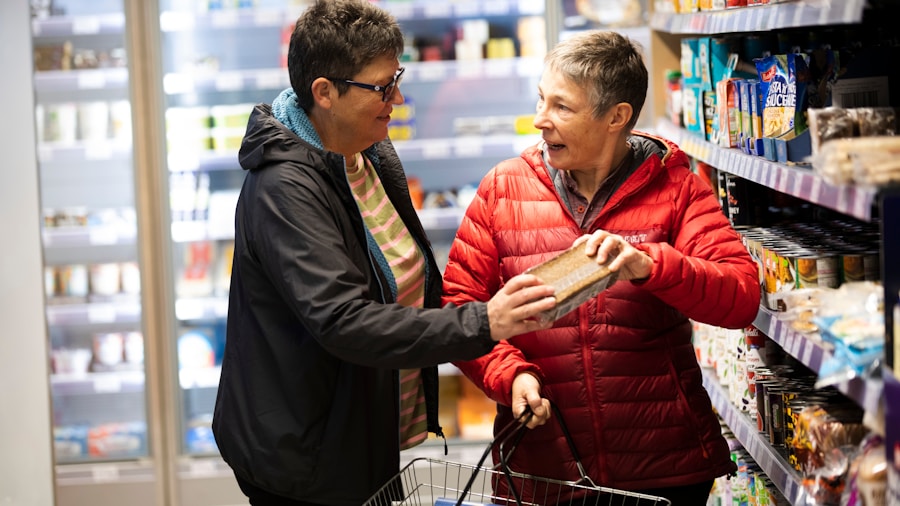
Target is taking a distinctly different path, one that aligns with the chain’s ongoing financial turnaround. Rather than competing solely on price, Target executives have prioritized product discovery, trendiness, and a revamped center store selection. This strategy appears to be working: Target’s food and beverage sales grew 7.2 percent in the second quarter, outpacing the chain’s overall comparable store sales growth of about 3 percent.
This focus on making grocery shopping feel fresh and exciting is helping Target reclaim some of its “Tarjay” cultural reputation, particularly among shoppers seeking quality and discovery alongside affordability. By curating selections that feel new and interesting, Target is differentiating itself in a crowded market where price alone may not be enough to win.
Economic Pressures Force Retailers to Lean on Grocery
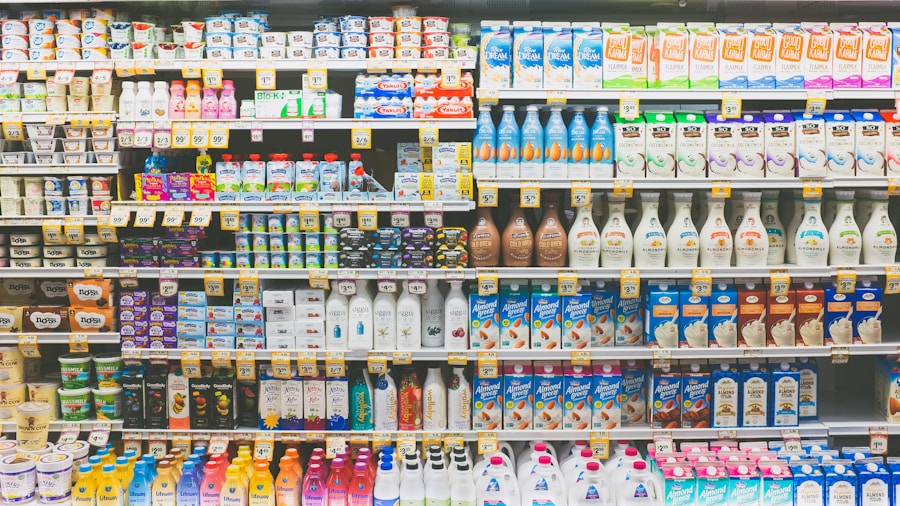
Both retailers are leaning heavily on their grocery divisions because the broader retail environment remains difficult. Customers are exhausted by food affordability concerns, pharmacy sales are being disrupted by regulatory changes, and persistent fuel costs continue to squeeze margins. In this context, grocery growth becomes essential to retail stability. Food and beverage categories offer Walmart and Target the volume and frequency of customer visits needed to offset challenges in other areas.
Walmart’s strategy emphasizes that having competitive prices across a full basket of goods remains the foundation of consumer trust. Target’s approach acknowledges that modern shoppers want both value and experience. Together, these two retail giants illustrate how grocery is no longer just a category to compete in but rather the primary vehicle through which major retailers can maintain their market position and deepen customer relationships.
What This Means for Shoppers
For consumers, this competitive intensity is largely beneficial. Walmart’s expanded meal delivery services and aggressive pricing create more ways to save money and access convenient solutions. Target’s focus on interesting, curated grocery selections means more variety and product discovery opportunities. Both retailers are investing in grocery because they understand that shoppers are prioritizing their wallets without sacrificing quality or convenience.
The grocery arms race between Walmart and Target reflects a broader market truth: food shopping is where retailers win or lose customer loyalty. As these two chains continue refining their distinct approaches, shoppers benefit from more competitive pricing, better selection, and innovative service options. Whether you prioritize rock-bottom prices or enjoy discovering new products, Walmart and Target are both making strategic moves to earn your grocery dollar in 2025.
 Aldi Faces Lawsuit Over SNAP Delivery Fees: What Shoppers Need to Know
 Costco Emerges as Major Grocery Threat to Traditional Retailers What Shoppers Should Know
 Walmart Activates Shop to Light Feature: What Shoppers Should Know
 Costco Overtakes H-E-B in Customer Satisfaction Rankings: What Shoppers Should Know
 Safeway and Target Lead in Grocery Delivery and Pickup What Shoppers Should Know
 Walmart Fall Deals Sale: What Shoppers Should Know About Early October Shopping