
Why Walmart is Betting Big on Speed
Speed has become a primary driver of customer loyalty and shopping frequency. Walmart executives noted that customers using faster delivery options shop more often and are more likely to become Walmart+ members. This aligns with broader retail trends, as consumers increasingly expect quick access to groceries, medications, and everyday essentials without lengthy wait times.
The 30-minute delivery option comes with a $10 fee for Walmart+ members, yet adoption rates remain exceptionally strong. In the most recent quarter, paid fast deliveries accounted for 37% of all store-fulfilled orders, marking an all-time high. This demonstrates that despite additional charges, shoppers view speed as a worthwhile investment.
Walmart’s commitment to rapid fulfillment extends beyond the 30-minute service. The company has expanded one-hour delivery options to hundreds of Sam’s Club locations and strengthened its drone delivery partnership with Wing, creating a tiered approach to fast fulfillment that serves different customer needs and geographies.
The Store Network Advantage
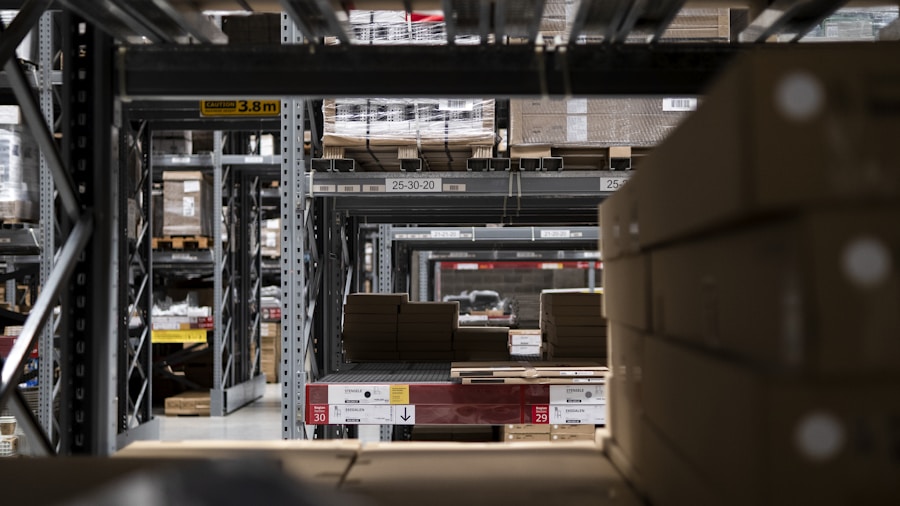
A key factor enabling Walmart’s speed capabilities is its massive network of physical locations. The company uses stores as crucial fulfillment hubs, with those locations handling last-mile delivery for 80% of e-commerce orders, and 100% of express deliveries. This local presence allows Walmart to process and dispatch orders rapidly without relying solely on centralized warehouses.
Store-fulfilled deliveries experienced over 40% sales growth in the quarter, underscoring how effectively Walmart has integrated its brick-and-mortar footprint into its digital strategy. Gross merchandise value tied to all fast delivery services, defined as three-hour delivery or faster, grew 48% year over year, showing robust customer demand across the entire speed tier.
Automation Powers Profitability
Behind the scenes, automation is enabling Walmart to maintain these fast delivery speeds while protecting profit margins. The company now operates 3,100 U.S. stores with some level of automated freight handling, meaning inventory arrives on pallets that have already been organized and sorted by machines. This infrastructure reduces manual labor, speeds processing, improves inventory visibility, and keeps shelves better stocked.
Automation also strengthens the economics of Walmart’s omnichannel model. As the company improves network density and utilization, executives noted that speed and profitability reinforce one another, creating a sustainable competitive advantage that’s difficult for rivals to replicate.
What This Means for Shoppers

The expansion of 30-minute delivery provides millions of additional households with convenient options for urgent shopping needs. Whether you need groceries for dinner, over-the-counter medication, or last-minute items, the expanded coverage means faster fulfillment is increasingly available in major U.S. markets.
For Walmart+ members, the $10 fee for 30-minute delivery is positioned as part of a broader membership value proposition. Shoppers who frequently use express delivery may find the membership’s annual cost justified through accumulated savings on individual delivery fees and other membership benefits.
The rollout also signals Walmart’s confidence in its ability to scale fast delivery without sacrificing service quality. By leveraging stores as fulfillment centers and investing in automation, the company is building a model where speed doesn’t necessarily mean higher costs across the board.
The Competitive Landscape
Walmart’s expansion reflects broader industry trends. Multiple major retailers are launching or expanding rapid delivery options as consumer expectations for convenience continue to rise. However, Walmart’s combination of physical store density, logistics infrastructure, and automation gives it distinct advantages in fulfilling orders at speed and scale.
The company’s ability to maintain attractive unit economics while offering 30-minute delivery represents a significant competitive moat, particularly as other retailers struggle to balance speed with profitability in their own delivery networks.
As fast delivery becomes standard rather than exceptional, Walmart’s continued investment in speed infrastructure positions the retailer favorably for sustained customer acquisition and retention in an increasingly competitive retail environment.
 Costco Emerges as Major Grocery Threat to Traditional Retailers What Shoppers Should Know
 Walmart Activates Shop to Light Feature: What Shoppers Should Know
 Costco Overtakes H-E-B in Customer Satisfaction Rankings: What Shoppers Should Know
 Walmart Fall Deals Sale: What Shoppers Should Know About Early October Shopping
 Amazon Prime Settlement Expanded: Eligible Shoppers Can Receive Up to $200
 Walmart Consolidates Fashion Teams What Shoppers Should Know