What Happened
The Justice Department filed the lawsuit against Walmart in December 2020, alleging that the company violated the Controlled Substances Act in multiple ways. Federal prosecutors claimed that Walmart pharmacies filled thousands of invalid prescriptions and failed to report suspicious drug orders to appropriate authorities. These actions, according to the government, contributed to the broader opioid epidemic that has claimed over 800,000 lives since 1999.
The investigation leading to this lawsuit took years to complete, reflecting the complexity of the case and the severity of the allegations. If Walmart had been found liable in court, the financial penalties would have been substantial: the company could have faced $67,627 in damages for each unlawful prescription filled and $15,691 for each suspicious order it neglected to report.
Why This Matters for Shoppers
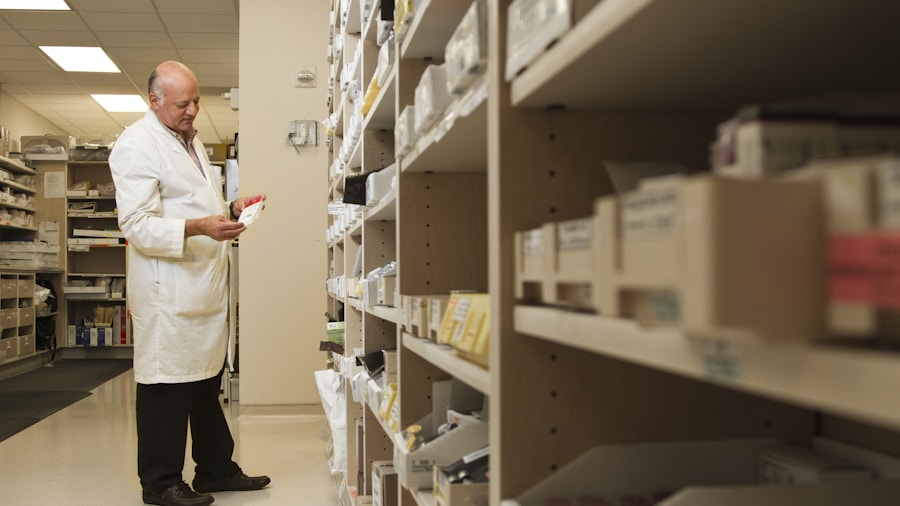
Walmart operates nearly 4,600 pharmacies across the United States, making it one of the largest pharmacy networks in the country. These locations fill prescriptions for a wide range of medications, including generic drugs, insulin, and GLP-1 medications. For millions of shoppers who use Walmart pharmacies, this settlement raises important questions about oversight and safety standards.
The settlement signals that the federal government remains committed to holding major retailers accountable when they fail to properly monitor and regulate controlled substances. According to a Justice Department spokesperson, the agency will “continue to hold accountable companies and individuals whose unlawful prescribing, marketing, dispensing or distributing practices contributed to the opioid crisis and put American communities at risk.”
A Walmart representative stated that the company is “pleased to resolve this matter and will continue supporting the exceptional work our pharmacists do every day to provide outstanding patient care.” This statement suggests that the retailer intends to strengthen its pharmaceutical compliance procedures moving forward.
What Consumers Should Know
If you regularly fill prescriptions at Walmart pharmacies, this settlement does not directly affect your ability to obtain medications. However, it underscores the importance of remaining vigilant about how you use prescription drugs, particularly opioids. Always follow your healthcare provider’s instructions precisely and never share prescription medications with others.
The case also highlights why robust oversight systems matter in retail pharmacy operations. Pharmacies must validate that prescriptions are legitimate, monitor for unusual ordering patterns, and report suspicious activity to federal authorities. When these safeguards fail, communities face real risks.
Shopping at Walmart stores continues to be safe for general retail purchases. This settlement is specifically about pharmacy operations and does not reflect issues with other retail services the company provides. However, shoppers may wish to discuss their pharmacy options with their healthcare providers if they have specific concerns about prescription safety and oversight.
The Bigger Picture

This settlement is part of a broader pattern of accountability regarding the opioid crisis. Federal regulators, state attorneys general, and law enforcement agencies have increased scrutiny of how pharmaceutical companies, distributors, and retailers handle controlled substances. Walmart is not alone in facing such lawsuits, though the size and scope of its pharmacy network made this case particularly significant.
The resolution also reflects evolving standards for what companies must do to prevent misuse of controlled substances. Pharmacies must implement robust systems to verify prescriptions, track inventory patterns, and identify potential red flags indicating illegal activity or diversion of drugs.
For shoppers using Walmart pharmacies, this settlement may prompt the company to invest in enhanced training for pharmacy staff and upgraded compliance technology. These improvements could ultimately benefit customers by creating additional safeguards around prescription fulfillment.
Moving Forward
Walmart has confirmed its commitment to maintaining high standards in pharmaceutical care. The company’s stated focus on supporting its pharmacists in providing quality patient care suggests the retailer recognizes the importance of this service to millions of Americans.
Consumers who have concerns about their prescription medications or how they are being handled should speak directly with their pharmacist. Pharmacists are healthcare professionals trained to answer questions about drug safety, interactions, and proper use. If you ever suspect suspicious activity at a pharmacy, you can report it to the U.S. Drug Enforcement Administration.
This settlement demonstrates that major corporations must maintain strict compliance with federal regulations governing controlled substances. For shoppers, that accountability helps ensure that the pharmacies where they fill prescriptions operate safely and responsibly.
 Costco Emerges as Major Grocery Threat to Traditional Retailers What Shoppers Should Know
 Walmart Activates Shop to Light Feature: What Shoppers Should Know
 Walmart Fall Deals Sale: What Shoppers Should Know About Early October Shopping
 Amazon Prime Settlement Expanded: Eligible Shoppers Can Receive Up to $200
 Walmart Consolidates Fashion Teams What Shoppers Should Know
 Walmart CEO Confirms No Personal Data Used in Pricing What Shoppers Should Know