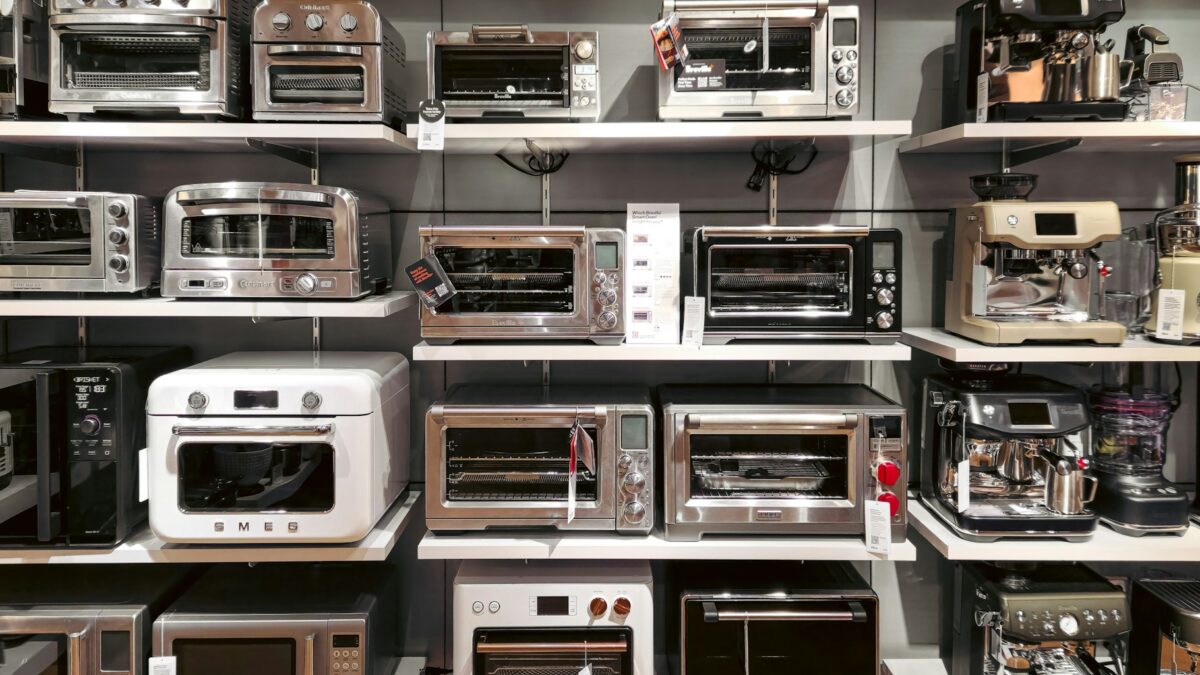
November and Holiday Sales Offer the Biggest Discounts
Multiple sources point to November as the month with historically the lowest prices on large appliances. Reporting from the New York Times tracks actual prices and notes that while prices have risen overall due to tariffs on steel and aluminum, November sales still tend to match or beat the lowest prices available throughout the year. Black Friday and Cyber Monday fall in this month, making it the most predictable time to find significant discounts.
Beyond November, major holiday weekends consistently trigger promotions. According to reporting, Presidents’ Day, Memorial Day, July 4th, and Labor Day from retailers like Home Depot holiday hours, Lowe’s, and warehouse stores such as Costco offer discounts that are nearly as good as Black Friday prices. During these tentpole sales, you can expect to see bundle discounts, special financing offers, and package savings if you buy multiple appliances at once. The trade-off: you may not get the absolute lowest price available, but discounts are significantly better than typical pricing outside these windows.
Time Your Purchase Around New Model Releases
Appliance manufacturers release updated models on a predictable schedule, and retailers aggressively discount previous-year inventory to make room. According to reporting, new washers, dryers, and dishwashers typically debut in September and October, making late summer and early fall ideal for finding discounts on last year’s models. Refrigerators follow a different cycle, with new models arriving between May and July. New ranges and cooking appliances typically launch around the top of the year.
If you are not in a rush to replace a broken appliance, tracking prices over time reveals these patterns. A rule of thumb mentioned in reporting is that sales on last year’s models kick off when current-year models roll out. The advantage is substantial: you get a nearly-new appliance at significantly reduced pricing. The cost of waiting: if your current appliance is failing, you may face higher repair bills or replacement emergency situations that eliminate your ability to wait for the optimal sales window.
Scratch-and-Dent and Clearance Models Can Lower Prices Further
Scratch-and-dent appliances, which have minor cosmetic damage from shipping or showroom display, offer another layer of savings. According to reporting, these units often perform identically to brand-new models but carry noticeably lower price tags. Retailers frequently update their scratch-and-dent inventory, so checking with local dealers regularly may reveal new discounted options.
Open-box and clearance inventory also appears during model transition periods. The practical advantage: these items typically still carry full manufacturer warranties despite their reduced prices. The practical limitation: selection is random and varies by location and timing, so you cannot always find the exact model you want in this category.
Bundle Multiple Appliances for Package Discounts
Retailers frequently offer larger discounts when you purchase multiple appliances together. Reporting notes that buying a dishwasher, range, and refrigerator as a package, for example, produces savings on the total that exceed buying items separately. This strategy works especially well if you are remodeling your kitchen or planning to eventually replace multiple appliances anyway.
The added benefit: bundling lets you match finishes across appliances, creating a cohesive look in your kitchen. The practical consideration: you should only bundle if you genuinely need or plan to use all the appliances. If you do not need all items immediately, check for local stores that accept donations of used appliances, allowing you to replace aging units without forcing unnecessary purchases.
Use Rebates and Tax Credits to Maximize Savings
Two types of rebates commonly apply to appliances: manufacturer rebates and government rebates. Manufacturer rebates, which come directly from brands, are typically instant discounts at the point of sale, though some require submitting claim forms by mail or email. Government rebates, offered by state energy providers, often focus on energy-efficient models. Reporting mentions that in New York and Maryland, utilities like PSEG and PEPCO offer rebate programs for refrigerators, dishwashers, washers, dryers, and ovens.
At the federal level, tax credits apply to certain appliances, though they differ from rebates in key ways: they typically cover water heaters and HVAC systems rather than fridges or washing machines, they are issued annually, and they are based on income bracket. You must submit required documentation at tax time to claim them. According to reporting, many federal tax credits apply only to purchases made before December 31, 2025, so timing matters.
To research available programs in your specific area, reporting recommends using DSIRE, a national database of local opportunities. The trade-off with rebates: many require paperwork and patience. Instant point-of-sale rebates are rare, and mailed rebates require you to track deadlines and follow submission procedures correctly.
Small Appliances Follow Different Timing Patterns
Large appliances like refrigerators and ranges follow manufacturer release cycles and holiday promotions, but small appliances respond to different sales events. According to reporting, Amazon Prime Day (typically in July and October) and Black Friday are the best times to save on small appliances including air fryers, toaster ovens, and blenders. Site-wide sales from various retailers also frequently discount these items.
The practical limitation: popular small appliances often sell out quickly during these events, so you must shop promptly when sales go live. Items like air purifiers, while discounted, may not remain in stock long enough for you to deliberate on the decision.
 Costco Emerges as Major Grocery Threat to Traditional Retailers What Shoppers Should Know
 Costco Overtakes H-E-B in Customer Satisfaction Rankings: What Shoppers Should Know
 Kroger Brings Back 24 Hour Stores What Shoppers Need to Know
 Costco Q4 Sales Surge: What Shoppers Should Know
 Costco Beats Aldi on Value Perception: What Shoppers Should Know
 Costco Digital Sales Surge Past 33 Billion: What Shoppers Should Know