
What Triggered the Tariff War
Negotiations between the two countries collapsed late last week when Canadian leadership rejected what they viewed as unfavorable trade terms. The breakdown prompted immediate retaliation from Washington, which threatened 50 percent tariffs on roughly $20 billion worth of Canadian goods. These threatened levies specifically target the automotive sector, auto parts, and steel industries, sectors deeply integrated into North American supply chains.
Canada responded by planning its own retaliatory tariffs, with officials signaling they would move beyond matching US tariffs dollar-for-dollar. Instead, Canadian authorities indicated they would pursue more targeted retaliation aimed at protecting domestic workers and industries most vulnerable to American trade pressure.
Why This Matters to Shoppers
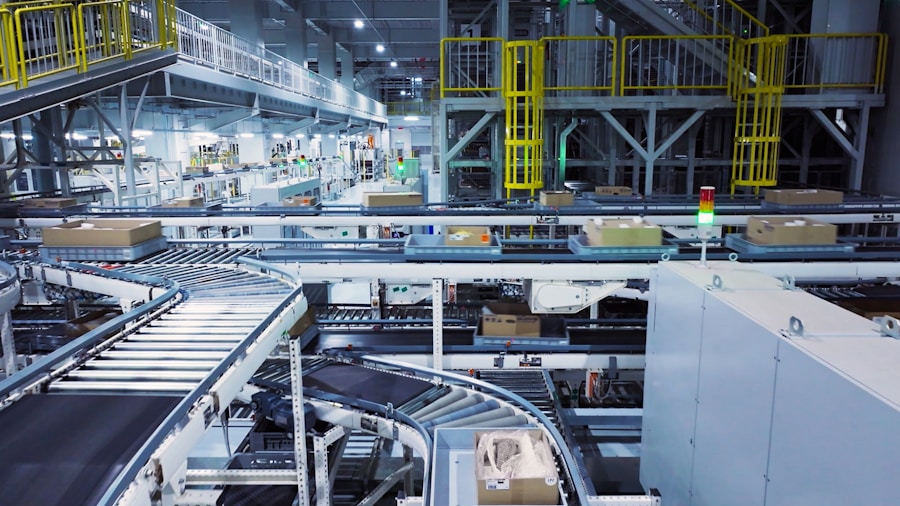
The Canada-US trade relationship represents one of the world’s largest integrated economic partnerships. The automotive and steel industries depend on complex supply chains that cross the border repeatedly during manufacturing. When tariffs disrupt these relationships, the costs eventually reach consumers through higher prices on vehicles, appliances, construction materials, and countless other products.
Higher tariff costs squeeze retail margins, forcing retailers to pass expenses along to buyers. Auto manufacturing, in particular, stands at the center of this dispute. Factories in Ontario employ tens of thousands and maintain tight integration with plants across Michigan and other US states. If the threatened 50 percent auto tariffs take effect, vehicle prices and related auto parts could rise substantially.
Steel and aluminum producers will also face direct pressure. These materials flow into construction, appliances, machinery, and manufacturing nationwide. Tariffs on these commodities typically result in price increases that ripple through the entire economy within months of implementation.
The Sovereignty and Politics at Play
Canadian officials emphasized that rejected trade proposals included language restricting Canada’s ability to negotiate independent agreements with other nations without US approval. Leaders called this demand a sovereignty violation. Additionally, disputes over cultural protections, particularly French language and Canadian media safeguards, further complicated negotiations.
Political unity across Canada’s parties signaled broad support for resisting trade pressure, with officials at both federal and provincial levels pledging to endure economic hardship rather than capitulate. Some provinces indicated that critical resources, including electricity and minerals essential to US defense manufacturing, could become leverage points in ongoing negotiations.
What the Threats Mean for Key Industries
The threatened tariffs on Canadian auto and steel represent unprecedented pressure on integrated manufacturing. These sectors employ hundreds of thousands across North America and generate trillions in economic activity. A sustained trade war would disrupt production schedules, force supply chain reorganization, and ultimately inflate consumer prices.
Critical minerals represent another flashpoint. Canada supplies materials increasingly vital to US military and technology manufacturing. The Pentagon actively seeks secure mineral supplies independent of China, making Canadian exports strategically important to national security planning.
Timeline and Next Steps

Canadian authorities committed to announcing specific retaliatory measures, with cabinet ministers scheduled to detail support packages for affected workers. The situation remained fluid, with both sides issuing escalating rhetorical challenges and threats of further economic action.
The auto sector faces particular urgency because the threatened tariffs could take effect within months. Vehicle manufacturers and parts suppliers had already begun assessing impact scenarios and considering production adjustments. Supply chain managers warned that even the threat of tariffs creates uncertainty that forces costly contingency planning.
What Shoppers Should Do
While negotiations continue, consumers should remain alert to price increases on vehicles and major appliances, particularly those manufactured in Canada or incorporating Canadian-sourced materials. Steel and aluminum price increases typically precede broader inflation. Shoppers considering major purchases may want to monitor developments closely, as significant price jumps could occur quickly if tariffs move from threat to implementation.
Understanding that trade policy directly affects everyday consumer costs helps shoppers make informed purchasing decisions. The integrated nature of North American manufacturing means that trade disputes rarely remain contained to a single industry or border region.
 U.S. China Tariff Cuts What Shoppers Need to Know
 Major Economic Reports This Week: What Inflation Data Means for Your Shopping Budget
 Tariff Impact on Toy Collectibles: What Collectors and Shoppers Should Know
 Federal Reserve Signals Modest Rate Increases Ahead to Combat Inflation
 U.S. China Trade Truce Extended Through January: What It Means for Your Shopping
 Gas Price Surge What Shoppers Should Know Before the Holidays