
What Happened
On Monday, President Donald Trump took to social media to announce a major escalation in trade tensions with Canada. He threatened to impose 50 percent tariffs on imported vehicles, trucks, automobile parts, and steel starting January 1, 2027. This threat came just days after the U.S. had already implemented new tariffs on a broad range of Canadian goods over the weekend, affecting everything from building materials to sports equipment.
The announcement represents the latest chapter in an ongoing dispute between Washington and Ottawa. Negotiations between the two nations broke down late Friday when Canadian leadership said the U.S. proposed terms that were unreasonable and economically unfair. In response, Canada announced it would retaliate with matching tariffs on American goods, dollar for dollar, to protect its workers and businesses.
Canada is the third largest source of U.S. imports, sending more than $380 billion worth of goods across the border in 2025. The scale of this trade relationship means that any new tariffs could have widespread effects on both economies and everyday consumers.
What It Means for Shoppers
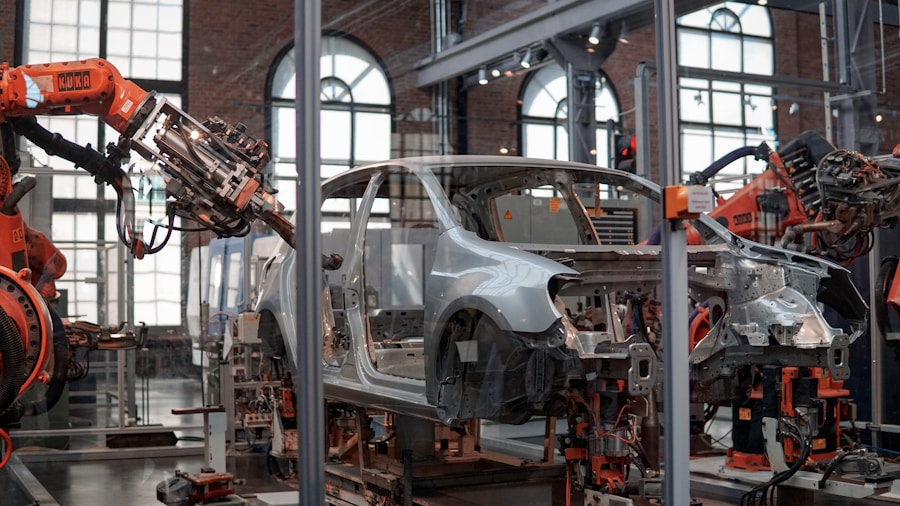
If the 50 percent tariffs on automobiles and parts take effect as threatened, American car buyers could face significantly higher prices at dealerships. The U.S., Canada, and Mexico have a deeply integrated auto manufacturing system where vehicles often cross borders multiple times before reaching showrooms. Tariffs at this level would disrupt this process and likely increase costs for consumers purchasing new vehicles.
Steel tariffs present another concern. Canada currently faces a 50 percent U.S. tariff on steel imports, and Trump’s announcement raises questions about whether this rate would double to 100 percent. Steel is a crucial component in countless products Americans buy, from appliances to construction materials to car parts. Higher steel tariffs would create a cascading effect, driving up prices on goods across multiple categories.
One uncertainty remains whether automobiles and parts that comply with the U.S.-Mexico-Canada (USMCA) trade agreement would be exempt from additional tariffs. This question matters greatly to consumers because it could determine whether some vehicles avoid price increases while others do not.
The Broader Context
These tariff threats add to the uncertainty surrounding the USMCA itself. Trump negotiated this trade deal during his first term as a replacement for the older NAFTA agreement. However, in July of this year, the Trump administration announced it would not renew the USMCA in its current form, instead subjecting it to rolling annual reviews and new negotiations. This means the framework governing trade between the three nations remains in flux, creating additional unpredictability for businesses and consumers alike.
Canadian leadership has responded firmly to the U.S. actions. Canada’s top official stated that his country is designed its retaliatory measures to last for the duration of Trump’s presidential term if necessary, signaling a long-term commitment to matching American tariffs.
What Shoppers Can Expect
The impact on shoppers depends on whether these threatened tariffs actually take effect on January 1, 2027, and to what extent. If implemented as announced, consumers should prepare for higher prices on vehicles and automotive parts, as well as any products made with or containing steel. Price increases would likely begin reflecting these tariffs sometime in 2027.
Beyond automobiles and steel, the ripple effects could touch numerous other consumer goods. Construction materials, appliances, machinery, and countless other items rely on Canadian inputs or on integrated North American supply chains. Shoppers should monitor developments closely over the coming months.
The current situation also highlights the importance of understanding trade policy and its real-world effects on household budgets. While negotiations between the U.S. and Canada may continue, the threat of significant tariff increases creates uncertainty that could eventually translate into higher costs at checkout and the dealership for American consumers.
 U.S. China Tariff Cuts What Shoppers Need to Know
 Tariff Impact on Toy Collectibles: What Collectors and Shoppers Should Know
 U.S. China Trade Truce Extended Through January: What It Means for Your Shopping
 Gas Price Surge What Shoppers Should Know Before the Holidays
 Dollar General Strengthens Leadership in Supply Chain and Legal Operations What Shoppers Should Know
 Trump Removes 15% Tariff on Irish Whiskey: What Shoppers Should Know