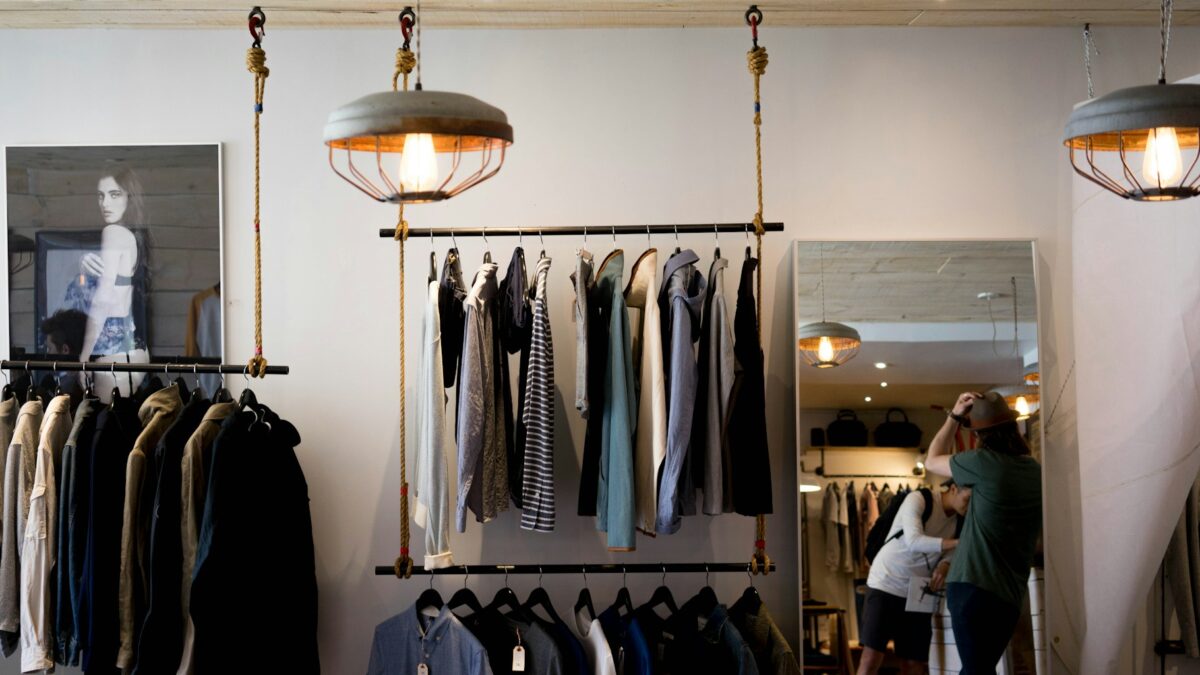
For consumers, the immediate impact centers on price increases across multiple product categories. Small retailers dependent on Canadian suppliers are caught in the middle, facing impossible decisions about whether to absorb higher costs or pass them along to already-struggling shoppers. One Portland-based clothing store owner shared how a popular pillow product would jump from a 59-dollar retail price to 86 dollars once the tariff burden is factored in using normal profit margins. That 27-dollar jump represents a 46 percent price increase on a single item, illustrating how tariffs directly transform consumer prices throughout the retail landscape.
The timing of these tariffs creates particular challenges for small business owners who plan their inventory and supplier relationships months in advance. Many retailers negotiate agreements with Canadian vendors six months to a year ahead of time, locking in pricing before tariffs are announced. This means business owners suddenly face unexpected cost increases on products they already purchased at lower rates, squeezing their profit margins significantly. For some items, the math becomes untenable. Rather than mark up prices dramatically, many small retailers will have to choose between accepting razor-thin margins or raising prices to levels that may discourage customers from buying altogether.
Consumer confidence was already weakened by inflation and general economic uncertainty before these tariffs took effect. Adding another layer of price pressure compounds the challenge facing households. When shoppers are already stretched financially, even moderate price increases can shift buying behavior. The pillow example demonstrates this reality: at 59 dollars, a decorative pillow represents a reasonable gift purchase for many people. At 86 dollars, it moves into luxury territory where impulse purchases become deliberate decisions. Retailers understand this psychology, which explains why business owners are agonizing over which products to reprice and which ones to subsidize temporarily, hoping the tariff situation resolves quickly.
The tariff situation also raises questions about American manufacturing capacity and alternatives. The administration argues that tariffs incentivize companies to source from American suppliers instead. However, the reality on the ground tells a different story. For many specialty products and niche markets, American manufacturers either do not exist or cannot meet demand at competitive prices. One small retailer explained that they actively work to promote American goods whenever possible, but certain product categories simply lack domestic alternatives. Switching suppliers requires lead time, product testing, and relationship building that small businesses cannot accomplish overnight, especially when facing immediate cost pressures.
What This Means for Your Shopping
Expect price increases on tariff-affected goods in the coming weeks and months. Categories most likely to see noticeable jumps include clothing, specialty food and beverage items, and hobby equipment. Small retailers may absorb some costs initially to preserve customer relationships, but this strategy is not sustainable long-term. As businesses reach their breaking point, price hikes will accelerate.
The uncertainty itself represents another challenge. Small business owners do not know whether to make permanent changes to their operations or treat tariffs as temporary disruptions. This unpredictability makes it harder for retailers to make informed decisions about inventory, pricing, and business strategy. When government policy shifts rapidly, businesses struggle to adapt efficiently, and those adaptation costs eventually transfer to consumers.
The Broader Impact
Beyond individual price tags, these tariffs create economic friction that affects entire communities. Small retailers are the backbone of local economies, providing jobs and character to neighborhoods. When they face unexpected cost pressures from policy decisions, their ability to invest in expansion, employee wages, and community involvement diminishes. The ripple effects extend far beyond the price of a single product on a store shelf, affecting the stability and vitality of small business ecosystems across the country.
 Inflation Surges Again: What Rising Prices Mean for Your Wallet
 Walmart Fall Deals Sale: What Shoppers Should Know About Early October Shopping
 Inflation Remains Stubbornly High: What This Means for Your Shopping Budget
 Amazon Prime Settlement Expanded: Eligible Shoppers Can Receive Up to $200
 Walmart Consolidates Fashion Teams What Shoppers Should Know
 Walmart CEO Confirms No Personal Data Used in Pricing What Shoppers Should Know