
What Happened in the Trade Talks
Earlier this week, both nations appeared to be making progress toward a deal. Canada’s leadership indicated that substantial ground had been gained during negotiations, though important issues remained unresolved. However, when the final deadline arrived, the two countries could not reach an agreement on the terms that had been negotiated. The U.S. Trade Representative stated that Canada had declined to finalize the deal under the previously agreed-upon terms, leading to the breakdown in talks.
The original tariff deadline was set for Wednesday, but the Trump administration granted a three-day extension to allow further negotiation. Despite this additional time, the two sides remained too far apart to strike a deal. Canada’s Prime Minister responded by suspending trade negotiations and directing the country’s negotiating team to return home from the U.S.
Canada’s Response and Retaliation Plans

Canada did not accept the tariffs without pushback. The country’s leadership immediately announced that it would match the new American tariffs dollar for dollar, meaning Canadian buyers will face similar increases on U.S. goods. This tit-for-tat approach represents a significant escalation in the ongoing trade friction between the two nations.
The mutual tariff increases come on top of an already strained relationship. The two countries trade roughly $880 billion in goods and services annually, making this dispute a matter of considerable economic importance. Canada is the United States’ second-largest trading partner after Mexico, so disruptions in this relationship ripple across both economies.
What Products Will Be Affected
The affected Canadian products represent about 5% of all goods Canada exports to the U.S. each year. Items covered by the new tariffs range from hockey sticks and sporting equipment to medical supplies like tongue depressors and pharmaceuticals. Many household products and raw materials that U.S. manufacturers depend on will likely see price increases passed along to consumers.
Currently, the U.S. maintains a 10% tariff on Canadian goods overall, though most Canadian imports are exempt because they meet the requirements of the U.S.-Mexico-Canada Agreement, a trade deal signed during the previous Trump administration. The new 50% tariffs represent a dramatic increase that could reshape shopping patterns and costs for American households.
Impact on American Shoppers
For consumers, these tariff increases on Canadian goods mean prices could rise on a wide variety of items. Retailers and distributors typically pass tariff costs to customers through higher shelf prices. Since Canada supplies many basic goods, construction materials, and food items to the U.S., shoppers may see increases in categories ranging from groceries to hardware to pharmaceuticals.
The timing of these tariffs also matters. If implemented quickly, they could affect holiday shopping and winter buying patterns. Businesses that depend on Canadian inputs may need to adjust their pricing strategies or find alternative suppliers, both of which take time and may result in temporary or lasting price increases for consumers.
Broader Trade Context
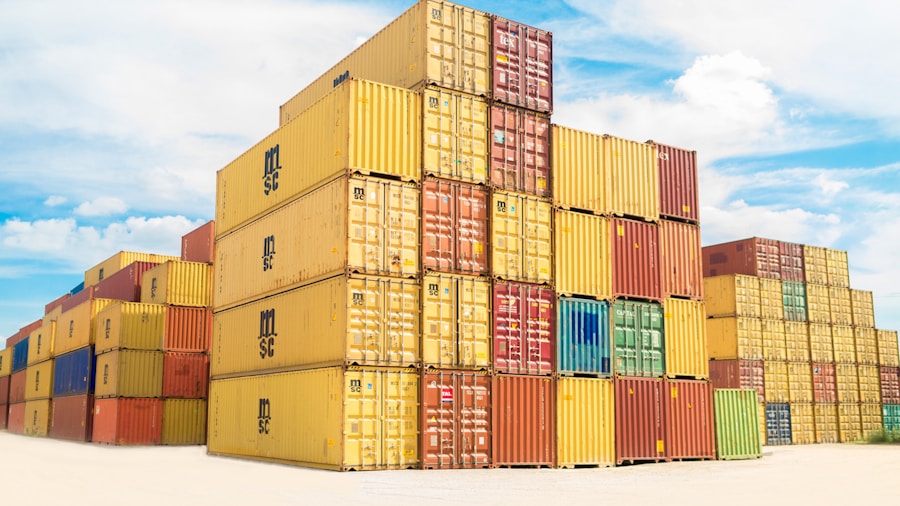
These tariffs are part of a larger pattern of trade tension between the U.S. and Canada. The relationship has been strained by multiple issues beyond tariffs, including disputes over defense spending, NATO contributions, and infrastructure matters. The broader tariff situation between the countries reflects deeper disagreements about how trade should be structured and what obligations each nation should bear.
With Canada now matching American tariffs, both countries face economic pressure. Businesses on both sides of the border will need to absorb higher costs or make strategic decisions about their supply chains. For American shoppers, this means staying alert to price changes and understanding which products might be affected by the dispute.
What Comes Next
The situation remains fluid. While negotiations have been suspended, trade disputes of this scale can sometimes be resolved through renewed talks or political pressure. However, with both sides now implementing retaliatory measures, the path to resolution has become more complicated. Consumers should monitor news about any developments that might affect pricing on goods they regularly purchase.
 Inflation Surges Again: What Rising Prices Mean for Your Wallet
 Inflation Remains Stubbornly High: What This Means for Your Shopping Budget
 U.S. China Tariff Cuts What Shoppers Need to Know
 Tariff Impact on Toy Collectibles: What Collectors and Shoppers Should Know
 U.S. China Trade Truce Extended Through January: What It Means for Your Shopping
 Gas Price Surge What Shoppers Should Know Before the Holidays