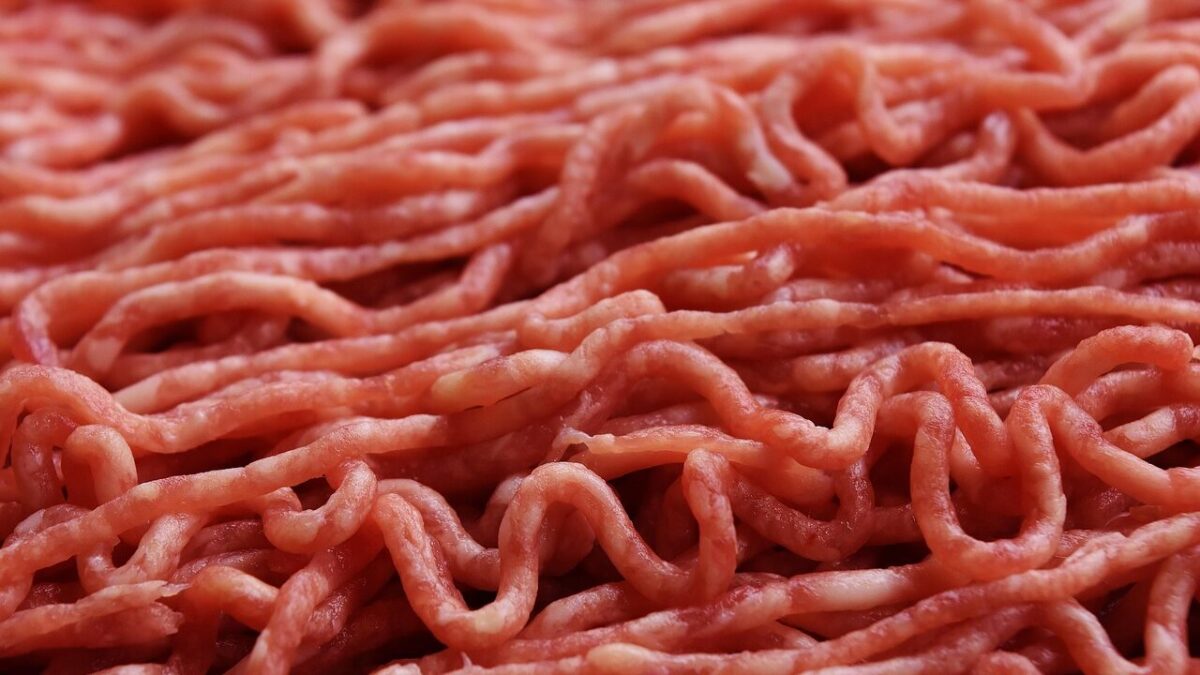
A 90-Day Tariff Exemption Aims to Ease Beef Costs
The Trump administration announced a temporary reprieve from tariffs on ground beef imports, allowing up to 300,000 metric tons of product to enter the country duty-free for the next 90 days. This move comes as consumer prices for ground beef remain near record highs, with shoppers paying significantly more at the checkout. The administration says imported beef under this program will be sold at least 25 percent below current market prices, offering relief to households struggling with grocery bills.
The decision reflects growing pressure to address food inflation ahead of the November midterm elections. Ground beef prices have surged over 25 percent since 2024, with consumers paying an average of $6.88 per pound as of July. All beef products have seen dramatic increases, with uncooked steaks hitting $13 per pound, a new record. These price spikes have prompted the administration to take action on what has become a politically sensitive issue.
Why Beef Prices Keep Climbing
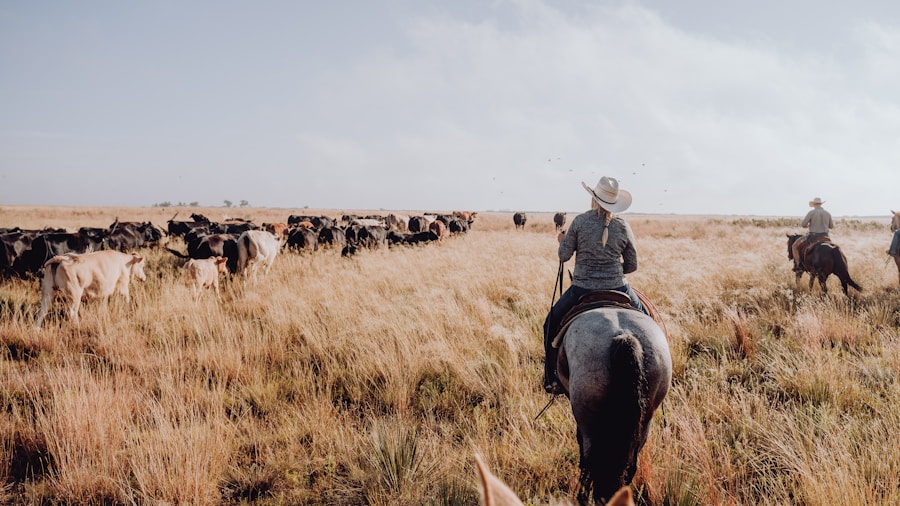
A severe cattle shortage is the root cause of soaring beef costs. Drought conditions in 2023 devastated the nation’s cattle supply, and ranchers have been slow to rebuild herds. Instead, many producers have shifted focus toward dairy cows as demand for whey protein grows. Dairy cow inventories have risen 2.1 percent this year, while beef supply has grown just 0.2 percent. This supply imbalance has forced the U.S. to import record quantities of beef, with imports in the second quarter reaching 1.6 billion pounds. Australia has supplied the largest share of these imports. The pace of U.S. cattle processing in July dropped to its lowest level since monthly records began in 1970, according to the U.S. Department of Agriculture, underscoring how strained domestic production has become.
The shortage has also hit major meat processors hard. Large companies have closed plants and restructured operations as tariff costs and high input prices squeeze profit margins. One major processor reported that beef prices are unlikely to recover until 2027 at the earliest, meaning relief may take years even with current interventions.
What This Means for Your Grocery Budget
The 90-day exemption should translate to lower ground beef prices in supermarkets, though the exact timeline and depth of price cuts remain unclear. The administration has committed to ensuring imported beef sells at significantly discounted rates, but the specific details of the arrangement have not been released. Consumers shopping for ground beef should monitor prices closely over the coming weeks to see if and when savings appear on shelves.
However, the tariff relief may have limitations. The 300,000 metric ton import cap is substantial but not unlimited, meaning only a portion of total beef consumption will qualify for the duty-free status. As supply from these imports grows, pricing pressure may ease, but availability could vary by region and store. Additionally, the administration is also lifting a yearlong ban on cattle imports from Mexico to expand supply further. This dual approach aims to flood the market with affordable beef, though success depends on how quickly these imports reach processors and retailers.
Industry Pushback and Concerns
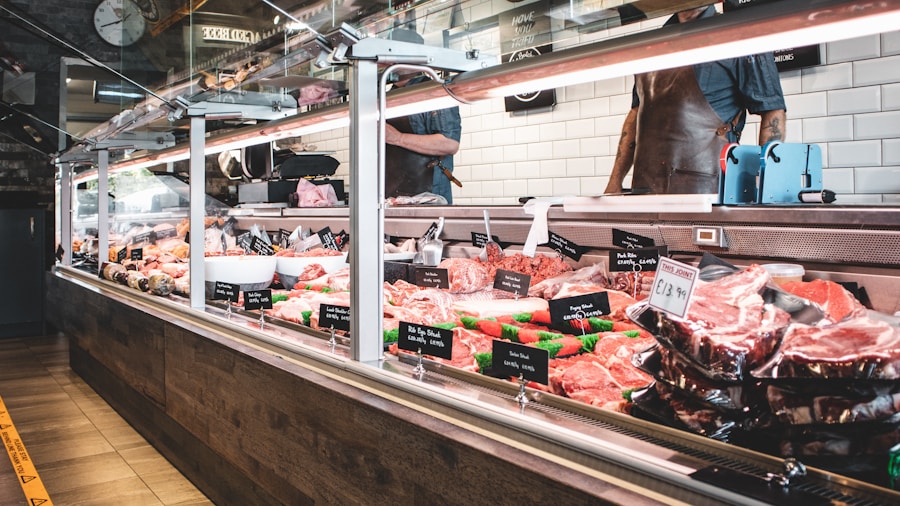
Not everyone welcomes the tariff exemption. The National Cattlemen’s Beef Association has warned that dumping below-market beef into the supply chain could undermine rancher profitability and discourage herd expansion. The group argues that while affordable groceries matter, flooding the market with government-subsidized imports sends the wrong signal to producers trying to rebuild. This tension between short-term consumer relief and long-term herd sustainability reflects a broader challenge: balancing immediate price relief against the need to restore domestic production capacity.
The cattle industry’s concerns are not unfounded. Many ranchers remain hesitant to invest in expanding their herds, fearing price pressure from foreign competition. Without stronger domestic supply, the U.S. may remain dependent on imports for years, perpetuating food security risks and trade policy complications.
What Happens After 90 Days
The current tariff relief expires in three months, so shoppers should not assume permanent price reductions. After the 90-day window closes, standard tariff rates will resume unless the administration extends the exemption or negotiates a longer-term agreement. Market conditions and beef supply levels at that time will determine whether prices hold steady or climb again.
For now, the tariff waiver offers a window of opportunity for households to stock up on ground beef at lower prices. Keep an eye on grocery ads and specials to maximize savings during this period. The situation underscores how tariff decisions directly affect your wallet, and why policy changes around trade can reshape what you pay at the grocery store.
 U.S. China Tariff Cuts What Shoppers Need to Know
 Tariff Impact on Toy Collectibles: What Collectors and Shoppers Should Know
 U.S. China Trade Truce Extended Through January: What It Means for Your Shopping
 Kroger Faces Challenges: Weak Quarterly Results and Overcharging Accusations
 Trump Removes 15% Tariff on Irish Whiskey: What Shoppers Should Know
 Grocery Inflation Flat in August: What This Means for Your Wallet