
What Products Are Being Targeted
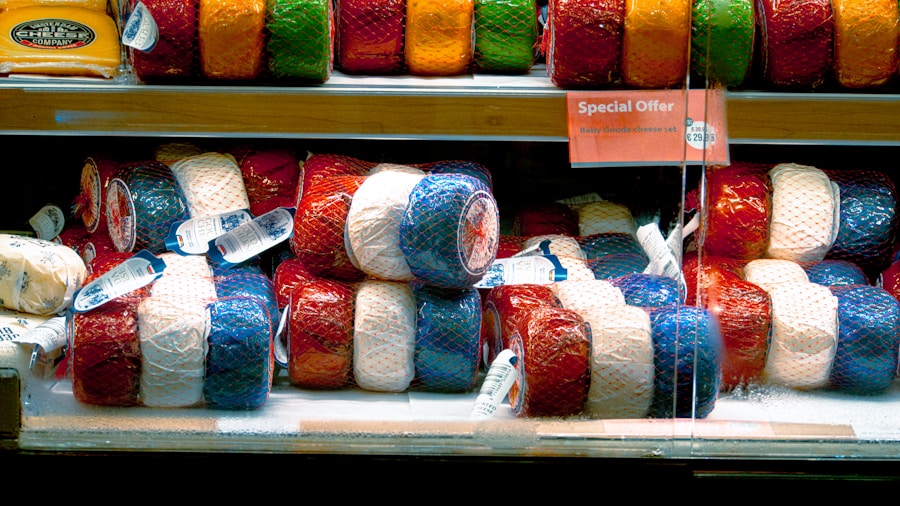
The Canadian tariffs are tiered at three levels: 15 percent, 25 percent, and 50 percent, depending on the product category. Goods facing the highest 50 percent rate include certain steel and aluminum products, furniture, and clothing items. At the 25 percent level, American appliances, dairy products like cheese, fish, and seafood will be subject to duties. Canadian officials have also maintained existing tariffs on U.S. automobiles.
These aren’t random selections. Canadian trade officials have explicitly stated that they are targeting products from specific U.S. states to exert political pressure on the Trump administration. The timing, less than two months before the general election, appears deliberate and designed to influence negotiations before the tariffs officially begin.
Which U.S. States Face the Biggest Impact

The Midwest and Northeast regions are expected to bear the heaviest burden from these new duties. Michigan, Indiana, Wisconsin, and Ohio have manufacturing bases deeply integrated with Canadian trade, producing appliances, steel, aluminum, tools, and auto parts. These states will likely feel more significant economic pressure than agricultural regions, since the new tariffs apply specifically to manufactured goods rather than raw farm products.
Specific industries in certain states are directly threatened. Wisconsin and Vermont depend heavily on Canadian purchases of dairy products, with Canadian buyers accounting for 80 percent of Vermont’s cheese and milk exports. Maine’s lobster industry faces a new 25 percent tariff on American lobster, the first Canadian duty ever imposed on this crustacean. Alaska, Florida, and Massachusetts also export seafood products that will now face tariffs, while Michigan and Wisconsin are major exporters of auto parts and vehicles to Canada.
Why the Political Timing Matters
Experts note that September 8 is strategically significant. Canada is aware that it represents one-tenth of all U.S. exports and has consulates throughout the country, giving it detailed knowledge of American politics and economics. The tariff implementation just weeks before the election appears designed to create urgency for negotiators to reach a deal before the duties take effect. Trade analysts believe Canada is hoping to negotiate a revised agreement before September 8 arrives.
What This Means for Consumer Prices
These retaliatory tariffs will raise costs for Canadian consumers on American products, making U.S. goods more expensive north of the border. Canadian officials have responded by encouraging their citizens to purchase domestically produced items instead. This economic pressure is partly the point from Canada’s perspective, as making American products less competitive shifts demand toward Canadian-made alternatives.
For American shoppers, the immediate direct impact may be more limited unless U.S. companies choose to absorb the tariff costs or adjust their pricing. However, the disruption to cross-border supply chains, particularly in the automotive sector, could eventually affect product availability and pricing in the U.S. market.
The Broader Trade War Context
These Canadian tariffs represent the latest escalation in an expanding trade conflict between two longtime trading partners. The Trump administration previously announced 50 percent tariffs on Canadian goods, and additional 50 percent duties on Canadian automobiles and steel are set to take effect on January 1, 2027, if no deal is reached.
The impact on Canada’s own economy could also be substantial. Analysis suggests that the tariffs could push Canadian inflation up by 0.3 percentage points in 2027 while creating equivalent drag on economic growth. Canadian officials have acknowledged potential hardship for domestic businesses and workers, rolling out plans for extended business loans and unemployment assistance to help offset the damage.
What Happens Next
Both nations appear locked in a negotiating standoff, with Canada hoping that the threat of September tariffs will push the U.S. back to the bargaining table. The strategic targeting of specific U.S. states suggests Canada understands which regions have the most political influence over policy decisions. Whether negotiators can reach a deal before tariffs impact prices will depend on how quickly both sides are willing to compromise on core trade issues.
Shoppers should monitor developments in these negotiations, as the outcome will significantly influence product availability, pricing, and supply chain stability for goods ranging from dairy and seafood to appliances and vehicles over the coming months.
 Inflation Surges Again: What Rising Prices Mean for Your Wallet
 Inflation Remains Stubbornly High: What This Means for Your Shopping Budget
 U.S. China Tariff Cuts What Shoppers Need to Know
 Major Economic Reports This Week: What Inflation Data Means for Your Shopping Budget
 Tariff Impact on Toy Collectibles: What Collectors and Shoppers Should Know
 Federal Reserve Signals Modest Rate Increases Ahead to Combat Inflation