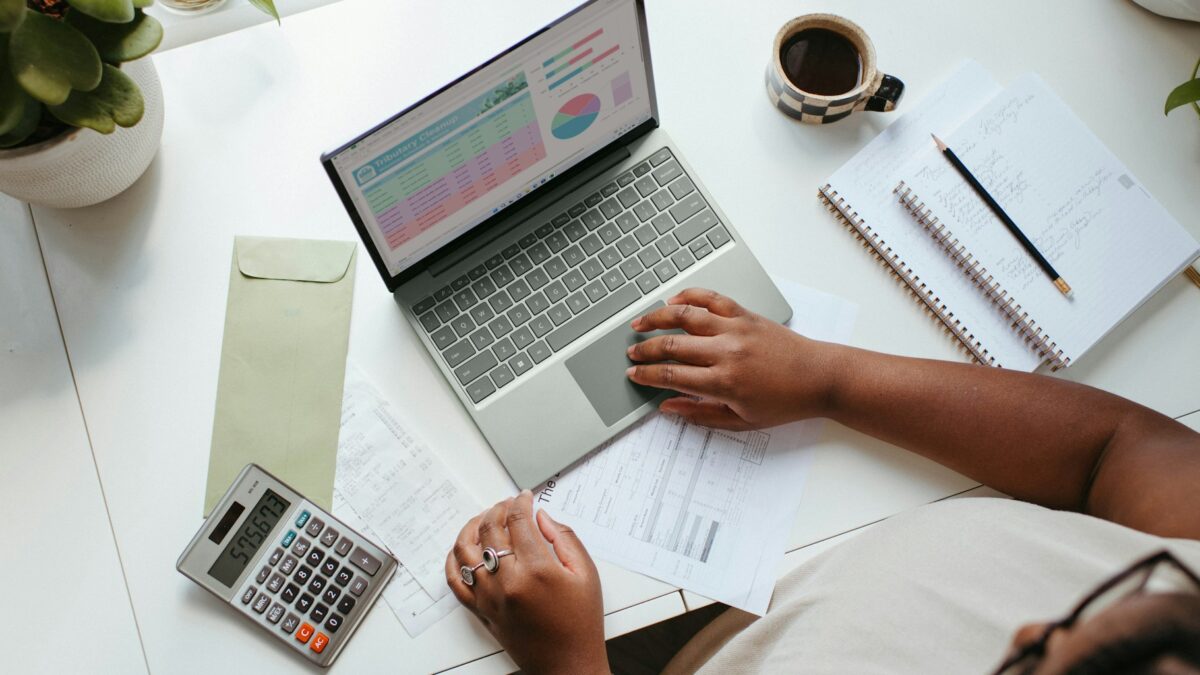
The Wage-Inflation Gap Widens
According to economic research from the University of Chicago and ADP, which analyzed payroll data covering 16 million workers, the situation mirrors the 2021-2022 crisis. During that period, real wages (what your paycheck actually buys) fell by more than 4%. The damage persisted: analysis found that 37% of workers examined earned less in inflation-adjusted terms in December 2024 than they did four years earlier. Those losses were never recovered.
Now the pattern is repeating. The Consumer Price Index reached an annual pace of 3.4% in July, driven largely by rising oil and gasoline prices. Meanwhile, workers’ hourly wages grew at only 3.2% over the same period, meaning real wages are declining. This creates what researchers call the “long shadow” of pandemic inflation still affecting worker finances.
Why Companies Aren’t Matching Inflation with Raises
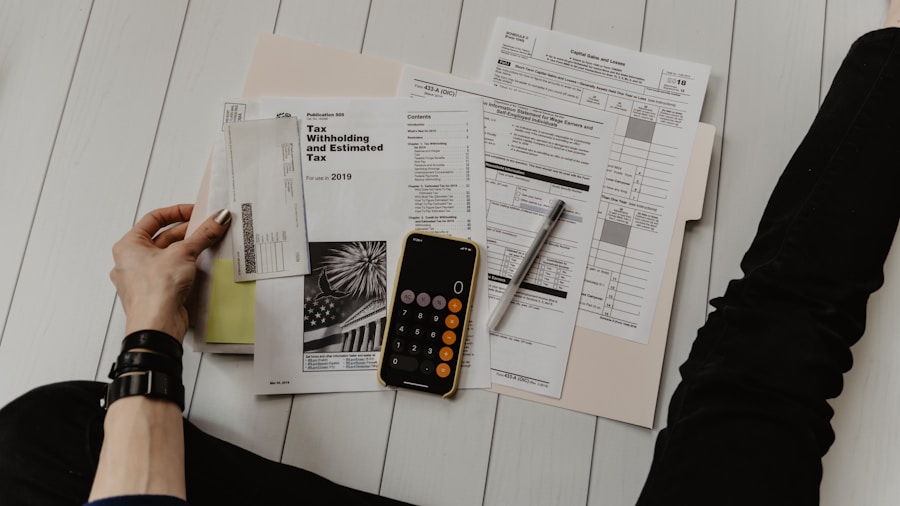
The root cause is straightforward: most companies operate on wage-growth “norms” that ignore inflation spikes. Employers typically offer annual raises between 2% and 4%, a practice that works fine during normal economic times. But when inflation accelerates, workers lose ground.
Consider a practical example. If a company gives a 3% raise when inflation is 4%, that employee effectively takes a 1% pay cut in real terms. When inflation hit a 40-year high of 9.1% in June 2021, companies simply continued offering their standard 3% increases, leaving workers significantly behind.
Labor economist Erik Hurst from the University of Chicago Booth School of Business explained the dynamic: “When inflation exceeds 3%, then real wages start to erode.” This creates what economists call an “inflation transfer,” where the burden of rising prices shifts from corporations to workers. Companies maintain profit margins while workers absorb the cost.
The Impact on Consumer Spending and Sentiment
Declining real wages are affecting how Americans feel about their finances. Consumer sentiment dropped roughly 8% in August after showing brief improvement, according to University of Michigan data. Workers can see their purchasing power slipping even as unemployment stays low and jobs remain available.
“When real wages are low, well-being is low because purchasing power has gone down,” Hurst noted. This explains why consumer confidence is declining despite a seemingly strong job market. Shoppers understand they can buy less with each paycheck, which drives anxiety about budgeting and everyday price increases.
Job Switching: A Costly Strategy

Research shows that workers who change jobs fare better, with wages rising nearly in line with inflation. However, this strategy comes with hidden costs. Job hunting requires time and effort, relocating can be expensive, and adapting to a new workplace creates disruption.
“Switching jobs is not free,” Hurst said. “You have to expend effort to look for a job, move your family and change your workflow.” For many workers, especially those with families or caregiving responsibilities, these costs outweigh the wage gains from switching positions. This leaves many Americans trapped in roles where inflation erodes their pay year after year.
What This Means for Your Budget
The takeaway is sobering: wage growth alone cannot be trusted to protect your financial security during inflationary periods. Even modest inflation (3-4%) reduces real wages when raises stay at typical 2-3% levels. When inflation accelerates beyond that, the damage accelerates too.
For shoppers, this creates several challenges. First, your household budget needs to account for the fact that your raise may not actually increase your buying power. Second, pressures like shifting tariffs or energy price spikes can trigger inflation faster than your employer adjusts compensation. Third, maintaining your current standard of living may require either finding a new job or reducing expenses.
The research underscores a troubling reality: real wage losses from pandemic-era inflation were never fully recovered for millions of workers. Now, as inflation returns, many face the prospect of falling further behind without taking active steps to protect their earning power.
 Inflation Surges Again: What Rising Prices Mean for Your Wallet
 Walmart Fall Deals Sale: What Shoppers Should Know About Early October Shopping
 Consumer Confidence Hits 12 Year Low as Inflation Pressures Shoppers
 Fed Official Says Inflation Still Too High Despite Recent Data Improvement
 Inflation Remains Stubbornly High: What This Means for Your Shopping Budget
 Treasury Yields Hit 19 Year High: What Rising Interest Rates Mean for Your Wallet