Which Categories Actually Get Deep Discounts
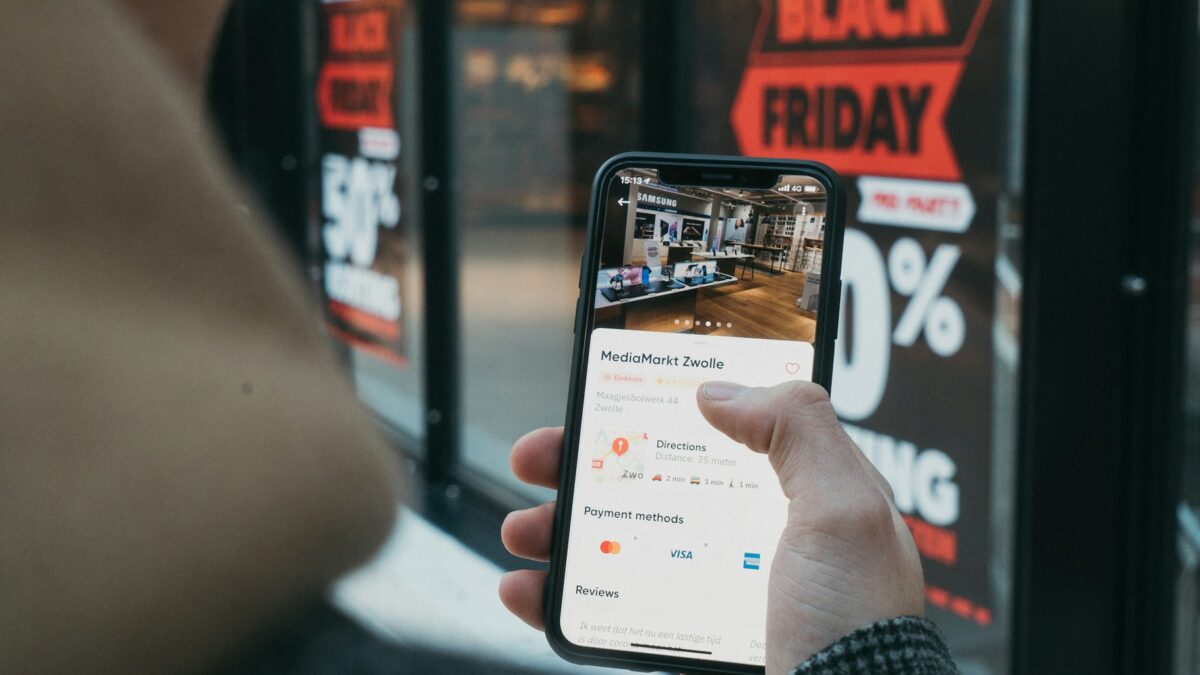
Electronics consistently see substantial markdowns on Black Friday. Televisions, tablets, laptops, and smartphones traditionally have some of the deepest discounts of the year on this day. Home appliances like dishwashers and washing machines also rank among the strongest Black Friday deals, according to retailer data. Kitchen appliances such as coffeemakers, toasters, crockpots, and stand mixers frequently appear at competitive prices.
Everyday essentials represent another category worth watching. Household items like toilet paper, paper towels, and dishwasher tablets often carry significant markdowns during the Black Friday sales period. These items cost less per unit when bought in bulk at sale prices, making them genuinely worth purchasing if you have storage space.
Home goods and home improvement items, including drill sets and power tools, also traditionally receive marked-down pricing on Black Friday.
Where Black Friday Pricing Falls Short
Apparel and clothing see better discounts on Cyber Monday than Black Friday. Some websites offer as much as 60 percent off clothing and shoes on Cyber Monday, sometimes combined with additional coupons. If you are shopping for clothes, waiting until Cyber Monday or even later in December typically yields better savings, though that strategy carries the risk of items selling out in your size.
Toys and games follow a similar pattern, with better bargains appearing on Cyber Monday and beyond. The end of December often shows the steepest discounts on apparel and toys, though sizing and selection dwindle as the holiday approaches.
Price research from Which? identified specific products where Black Friday pricing was misleading. An Oral-B toothbrush was advertised with a suggested retail price of £50 and advertised savings of £25, but that product had actually been priced at £50 for only 13 days in the preceding six months. Another Oral-B toothbrush was advertised at an RRP of £70 with £35 in savings, but had only been priced at £70 for three days in the prior six months, remaining at £35 nearly all other times.
How Retailers Create the Illusion of Discount
Some retailers raise prices in the weeks before Black Friday, then drop them back to normal during the sale. This creates the visual impression of a large discount when compared to the artificially inflated price. For example, an Apple iPad was priced at £309 on October 19, raised to £391.99 by November 10, then dropped back to £309 for Black Friday, making it appear to be on sale when it was actually at a price it had held weeks earlier.
Which? research on its 2024 analysis found that none of the 175 products tracked were at their absolute cheapest price of the year on Black Friday itself. After the Black Friday sales period ended, 35 percent of products were cheaper than their Black Friday price, meaning waiting just a few weeks often resulted in better deals.
How to Check Price History Before Buying
Use price tracking websites to review what an item has cost throughout the year. Websites like CamelCamelCamel and PriceRunner display historical pricing for products, showing you exactly what price an item held on specific dates. This allows you to determine whether a Black Friday “discount” represents a genuine low or an artificial markdown from a temporarily inflated price.
You can also ask AI tools like ChatGPT to help identify which Black Friday deals merit attention. Tell the tool what you are shopping for, and it can aggregate information across retailers without requiring you to manually visit multiple websites, which saves time and helps you avoid impulse purchases created by marketing pressure.
Check the retailer’s website directly if you have a specific brand in mind. Many brands offer their own Black Friday pricing and allow customers to join mailing lists for early sale access. This approach helps you skip the aggregator sites and third-party deals that may not reflect the best available pricing.
When to Buy and How to Protect Yourself
Do not hold off buying items in hopes of finding them cheaper later. While some products do drop in price after Black Friday, stock availability becomes a major risk. Retail analyst Catherine Shuttleworth notes that higher costs mean retailers are less likely to have surplus inventory this year, so waiting increases the chance that the item you want will sell out entirely.
If you find a product at a price you are comfortable paying, buy it and keep your receipt. Many retailers will refund the difference if prices drop during the returns period. Some retailers like Currys explicitly offer a Black Friday guarantee. Currys committed to pricing none of its 2024 Black Friday deals cheaper in the previous six months, and it delivered on that promise for the products analyzed. However, those same products were later available at the same price or cheaper in the six months after Black Friday, so even their “lowest price” guarantee does not mean Black Friday is the only opportunity to buy at that price.
Take advantage of payment protection when spending over £100. Use a credit card rather than debit, since credit card payments provide legal protection if a company goes bust, your item does not arrive, or the product is faulty or not as described.
Avoid Scams and Pressure Tactics
Scammers increase activity around Black Friday. Fake websites and counterfeit goods spike during this period, often using urgency language like “selling fast” or “only two left” to pressure impulse buying. Do not rush your purchase. Research the company before buying and be wary of suspicious web links.
TikTok Shop has become an increasingly popular destination for Black Friday discounts, with brands like M&S, L’Oréal and Rituals selling directly on the app. You may find flash sales not available on a retailer’s main website. However, verify that the accounts you are buying from are marked as verified to avoid counterfeit sellers using brand lookalike names.
If something seems too good to be true or does not feel right, pause before clicking purchase. The artificial urgency and pressure tactics deployed during Black Friday are designed to bypass your normal decision-making process.
 Amazon Delivery Contractors Closing in Los Angeles: What Shoppers Need to Know
 Costco Emerges as Major Grocery Threat to Traditional Retailers What Shoppers Should Know
 Walmart Activates Shop to Light Feature: What Shoppers Should Know
 Safeway and Target Lead in Grocery Delivery and Pickup What Shoppers Should Know
 Walmart Fall Deals Sale: What Shoppers Should Know About Early October Shopping
 Amazon Prime Settlement Expanded: Eligible Shoppers Can Receive Up to $200