What Walmart Is Installing
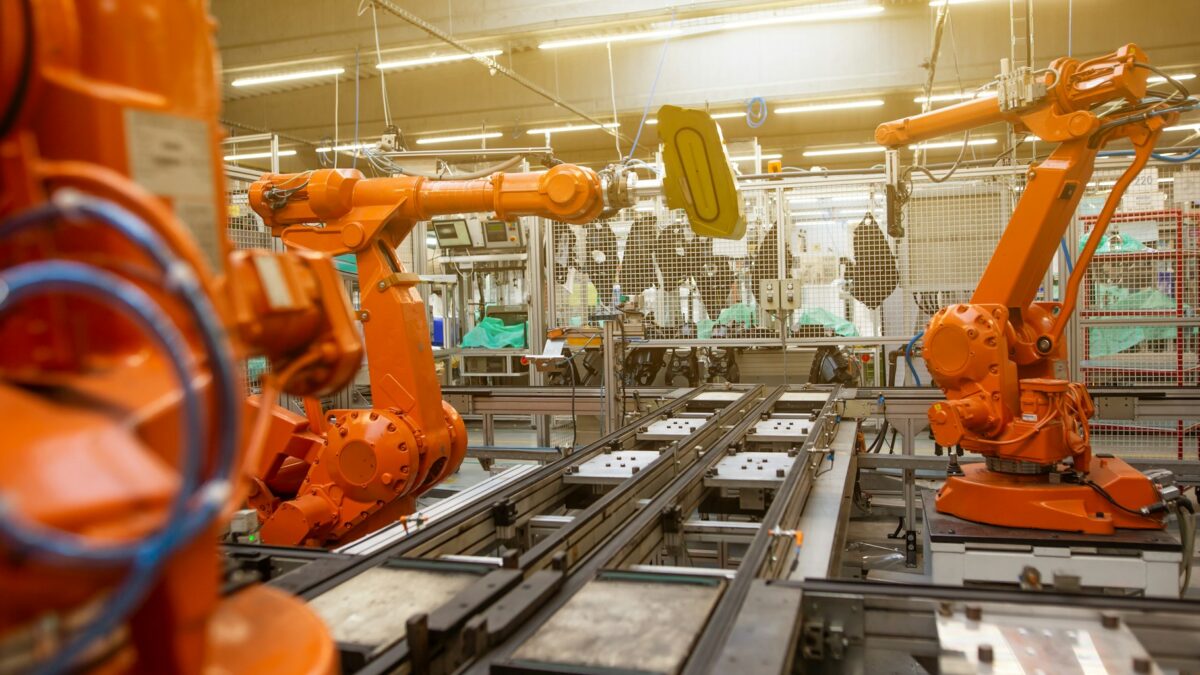
Symbotic, an automation technology company, has begun installing its first SymMicro system in a Walmart store location. The system is expected to become fully operational within approximately six months. This marks a major milestone in the partnership announced between the two companies in 2025.
The SymMicro system works by storing ordered items in totes that autonomous mobile robots, called SymBots, retrieve from storage and deliver to a pick station. An operator at that station can then fulfill multiple orders at the same time. Each station is capable of handling 550 picks per hour, according to Symbotic’s specifications.
The technology was specifically designed to reduce the flow of customer traffic through store aisles for e-commerce pickup operations. By moving fulfillment to the back of the store, Walmart keeps regular shoppers and order-pickup customers separate, creating a smoother shopping experience.
The Bigger Picture: Walmart’s Automation Investment

This installation reflects Walmart’s commitment to supply chain modernization. The company made a significant pledge as part of the Symbotic deal: a contingent promise to purchase 400 automated systems over time. That commitment signals confidence in the technology and shows Walmart views automation as essential to its future.
Symbotic’s CEO Richard Cohen explained the rollout strategy on a recent earnings call. After the first installation proves successful, a second site will follow shortly after. Once Walmart witnesses the system working effectively in real-world conditions, the company plans to expand to many more locations.
The partnership also involves a strategic business arrangement: Walmart sold its advanced systems and robotics division to Symbotic, while the automation company receives funding to deploy pickup and delivery centers throughout Walmart stores. This mutual investment creates alignment between both organizations in achieving the same goal.
Why This Matters for Shoppers
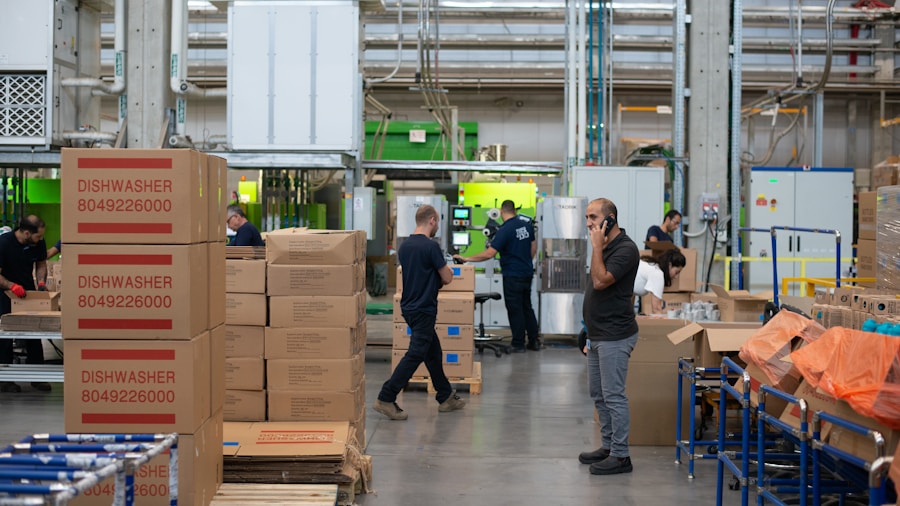
Faster order fulfillment translates directly to benefits for customers. When Walmart can pick and pack online orders more quickly and efficiently, delivery times shrink and pickup appointments become available sooner. For shoppers relying on same-day or next-day delivery, these improvements represent real convenience gains.
The system also enables Walmart to reduce operational costs associated with e-commerce. By automating the picking and sorting process, the company spends less on labor-intensive manual fulfillment. Those cost savings can potentially translate to competitive pricing and better membership benefits for loyal customers.
Matt Buckley, Symbotic’s vice president of communications, emphasized that back-of-store automation is designed to turn e-commerce into a sustainable, profitable growth engine. This means Walmart can invest more confidently in expanding delivery options and online services without sacrificing profitability.
What Comes Next
The implementation approach is methodical. Symbotic will initially overbuild the SymMicro system to ensure it operates flawlessly in the pilot store. After validating that performance, the company will redesign it to be smaller and more cost-effective for future installations.
Symbotic’s leadership acknowledged that the 400-unit purchase commitment may not involve the exact version currently being built. The company expects to refine and optimize the design substantially before mass production begins. However, the second iteration is likely to align more closely with the full 400-unit order.
This phased approach reduces risk for both companies. Walmart avoids investing in technology that hasn’t been tested at scale, while Symbotic gets real-world performance data to improve its product before expanding deployment across hundreds of stores.
As e-commerce continues growing, retailers face mounting pressure to fulfill orders quickly and affordably. Walmart’s investment in automation technology positions the company to meet these demands while maintaining the customer service standards shoppers expect. For anyone who regularly uses Walmart’s delivery or pickup services, these developments suggest faster, more reliable fulfillment is on the horizon.
 Amazon Delivery Contractors Closing in Los Angeles: What Shoppers Need to Know
 Costco Emerges as Major Grocery Threat to Traditional Retailers What Shoppers Should Know
 Walmart Activates Shop to Light Feature: What Shoppers Should Know
 Walmart Fall Deals Sale: What Shoppers Should Know About Early October Shopping
 Walmart Consolidates Fashion Teams What Shoppers Should Know
 Walmart CEO Confirms No Personal Data Used in Pricing What Shoppers Should Know