
How the Service Works
Customers using the Walmart app or website will see Dunkin’ available as a delivery option under the “restaurants” tab, with availability based on their delivery address. This means shoppers can order their morning coffee and donuts alongside their regular grocery purchases, all delivered in a single trip. The service is powered through a partnership with Inspire Brands, which owns Dunkin’.
According to Walmart’s leadership, this expansion reflects a broader strategy to become indispensable in customers’ daily lives. “The future of retail is about meeting customers wherever they are and simplifying their lives,” Greg Cathey, senior vice president of e-commerce fulfillment transformation at Walmart, explained. By bundling restaurant orders with traditional shopping, Walmart positions itself as a one-stop destination rather than just a grocery store.
Part of Walmart’s Restaurant Delivery Growth

The Dunkin’ rollout follows Walmart’s June launch of Subway delivery through its express service, which marked the company’s first restaurant integration for rapid delivery. Subway is Walmart’s largest in-store restaurant partner, making it a logical starting point for this expansion. The dual announcements signal that food delivery is becoming a core component of Walmart’s retail strategy.
This move puts Walmart in direct competition with established delivery platforms and other big-box retailers testing similar services. Target, for instance, began testing Starbucks orders through its Drive Up service in 2022 and has since expanded that offering. Walmart’s scale and store network give it a significant advantage, as it can leverage thousands of physical locations to fulfill orders faster and at lower delivery costs.
Why This Matters for Shoppers
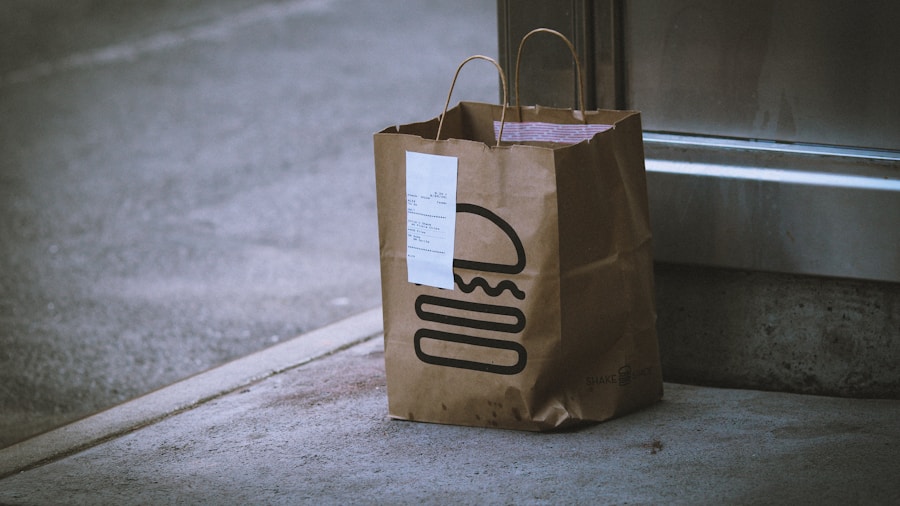
For consumers, this expansion means genuine convenience and time savings. Rather than making separate trips or using multiple apps, shoppers can combine grocery purchases with food orders in one transaction. This is especially valuable for busy households juggling work, school, and errands.
Walmart’s investment in store-fulfilled delivery has shown measurable results. During the company’s second quarter, store-fulfilled delivery grew nearly 43 percent, with speed improvements across a broader selection of items. The retailer achieved remarkable efficiency, with orders completed in under three hours representing roughly 37 percent of all store-fulfilled orders.
“The role of our stores has evolved,” Walmart’s Chief Financial Officer John David Rainey noted. “The more omnichannel we become, the more important our stores become, not less important.” This philosophy underlies the Dunkin’ expansion: physical stores serve as fulfillment hubs that enable rapid, affordable delivery to customers’ homes.
What This Means Going Forward
This announcement hints at Walmart’s broader ambitions in the food service space. As the company integrates more restaurant partners into its delivery ecosystem, it transforms from a traditional retailer into a logistics and convenience platform. Shoppers benefit from wider selection and faster service, while Walmart gains additional reasons for customers to use its app and increase shopping frequency.
The rollout will happen in phases, beginning with current in-store Dunkin’ locations before expanding nationally. Eligible customers will automatically see the option once it’s available in their area, removing friction from the adoption process.
For those concerned about value, bundling restaurant orders with grocery purchases often results in free or discounted delivery, which wouldn’t be available if ordering from restaurant apps separately. Walmart’s cost structure typically allows it to offer competitive delivery fees compared to third-party services.
This expansion underscores a shift in how major retailers view their business. It’s no longer enough to stock shelves; success now requires becoming a comprehensive solution for daily shopping and dining needs. Walmart’s Dunkin’ delivery launch represents that evolution in action.
 Costco Emerges as Major Grocery Threat to Traditional Retailers What Shoppers Should Know
 Walmart Activates Shop to Light Feature: What Shoppers Should Know
 Safeway and Target Lead in Grocery Delivery and Pickup What Shoppers Should Know
 Walmart Fall Deals Sale: What Shoppers Should Know About Early October Shopping
 Amazon Prime Settlement Expanded: Eligible Shoppers Can Receive Up to $200
 Walmart Consolidates Fashion Teams What Shoppers Should Know