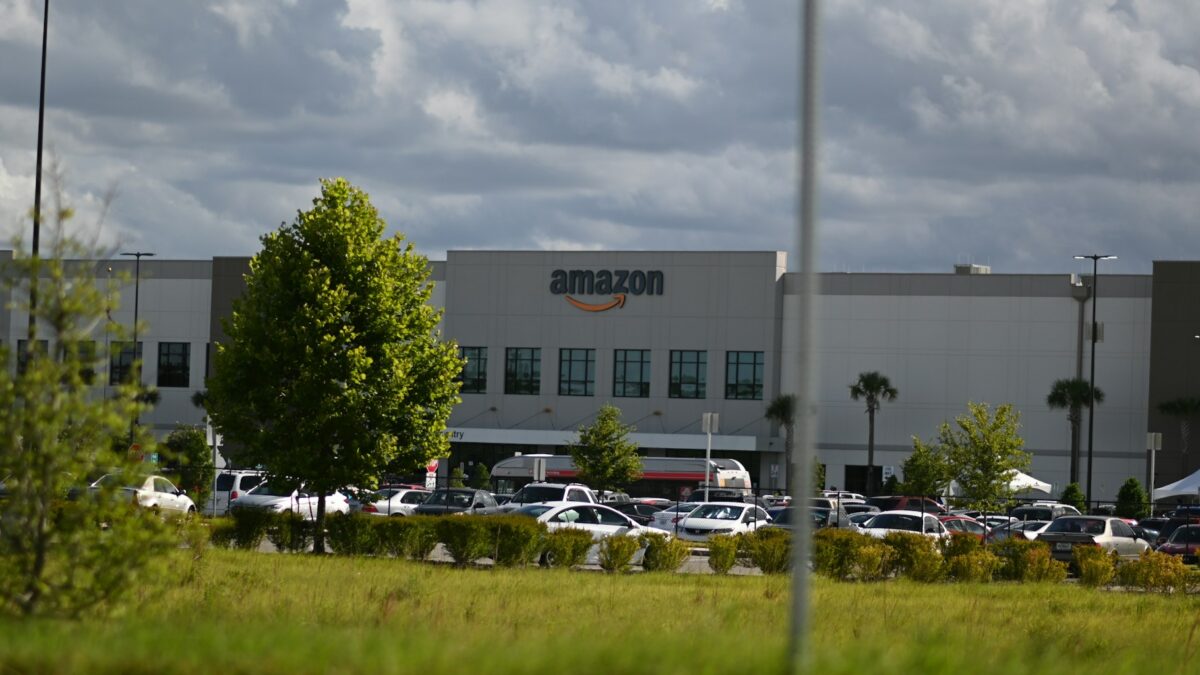
Official Amazon Holiday Schedule for 2026
Amazon follows the federal holiday schedule published on its Seller Central platform. On the official dates listed, Amazon warehouse fulfillment operations are closed and do not process or ship orders. These closures apply nationwide across Amazon’s fulfillment network.
The complete 2026 holiday schedule includes:
- January 1 (Thursday): New Year’s Day
- January 19 (Monday): Martin Luther King Jr. Day
- February 16 (Monday): President’s Day
- May 25 (Monday): Memorial Day
- June 19 (Friday): Juneteenth National Independence Day
- July 4 (Saturday): Independence Day
- September 7 (Monday): Labor Day
- October 12 (Monday): Columbus Day
- November 11 (Wednesday): Veterans Day
- November 26 (Thursday): Thanksgiving Day
- December 25 (Friday): Christmas Day
When a holiday falls on a weekend, Amazon does not extend the closure to an adjacent weekday. For example, when Independence Day falls on Saturday, July 4, 2026, Friday July 3 is a normal operating day for Amazon warehouse fulfillment. Sellers are not required to ship on Saturday whether it is a holiday or not.
How Warehouse Closures Affect Your Orders
During holiday closures, Amazon warehouses do not accept, process, pick, pack, or ship orders. If you place an order on a holiday closure date or the day before, expect a delay in the processing timeline. Your estimated delivery date will reflect the closure and extend accordingly.
Amazon’s handling time (the window sellers have to ship an order) does not count holiday closure days. This means if you are a seller, the holiday does not count against your shipping deadline. However, if you are a customer ordering an item, the closure will delay when that order ships and arrives.
Peak holiday periods such as the week before Thanksgiving and the two weeks before Christmas see high order volume in addition to shortened operating windows. Orders placed during these times may experience longer delays even before accounting for holiday closures themselves.
Checking Holiday Hours and Custom Holiday Settings
Amazon does not publish reduced operating hours for specific warehouse locations on holidays. Warehouses are either closed (zero operations) or fully operational. The Amazon store hours and holiday closures apply to fulfillment operations rather than customer-facing retail locations, since Amazon operates primarily through online ordering and delivery.
If you are a third-party seller using Amazon’s fulfillment service, you can set custom holidays beyond the official federal holiday schedule. This feature allows you to designate additional non-operating days for your account, which extends the handling time window for orders received on those dates. You configure custom holidays in your Seller Central shipping settings, and customers will see that you are not shipping on those days when they place orders.
Amazon provides advance notice of official holiday closures in Seller Central. Check your account dashboard or the holiday schedule section of your seller settings to confirm dates before the holiday period begins.
What to Know About Holiday Order Timing
To receive an order before a holiday, you must account for both processing time and shipping time. During the days immediately before a holiday closure, order volume increases significantly. Even though Amazon’s handling time does not count the holiday itself, the combination of high volume before closure and reduced processing capacity afterward can cause delays.
If you need a package by a specific date, place your order as early as possible before the holiday period, not on the holiday closure date or the day immediately before. Expedited shipping options (when available) may help but do not override warehouse closures, because the warehouse must still process the order first.
If an order was supposed to arrive before a holiday but does not, contact Amazon customer service after the closure. You may be eligible for a refund or credit if the delay was caused by a facility closure rather than a carrier issue. Check your order status in your account to see if Amazon has marked the delay as holiday-related.
Comparing Amazon with Other Major Retailers
Amazon’s warehouse holiday closures differ from retail store holidays at other major chains. Walmart holiday hours may include reduced operating times rather than full closures, and physical Walmart stores operate on different schedules than Amazon fulfillment centers. Target holiday hours and Costco holiday hours also vary by location and may include modified hours on some holidays rather than complete closures.
Amazon’s approach is a full closure on federal holidays with no reduced-hours option, whereas some retailers maintain skeleton crews or limited services. This means if you need an item by a holiday, ordering from a brick-and-mortar retailer that remains open may be faster than waiting for Amazon to process and ship after the closure.
For comparison, Sam’s Club holiday hours and Aldi holiday hours also close on major holidays, though the specific days and whether they observe all 11 federal holidays varies by retailer policy. Amazon’s consistency in observing the federal schedule makes planning more predictable than checking individual store locations.
How Holiday Schedules Are Announced
Amazon publishes its annual holiday schedule on Seller Central, the platform where third-party sellers manage their accounts. The schedule is posted well in advance of each holiday, typically several months ahead. As a customer, you do not receive a direct notification of these closures unless you actively search for the information.
To find the current holiday schedule, visit Amazon’s Seller Central website and look for the Holiday Schedule section under Shipping Settings or Help. This is the official source and takes precedence over any third-party reports or articles. Amazon updates this schedule if dates change, though federal holidays are fixed annually.
Holiday information also appears in your order tracking page when you place an order during or near a closure period. Amazon will show an estimated delivery date that accounts for the closure, but you must check your specific order to see this information rather than receiving a blanket notification. If you are a seller, check your Seller Central dashboard before the holiday season to confirm the dates and plan your inventory and staffing accordingly.
 Amazon Delivery Contractors Closing in Los Angeles: What Shoppers Need to Know
 Costco Emerges as Major Grocery Threat to Traditional Retailers What Shoppers Should Know
 Walmart Fall Deals Sale: What Shoppers Should Know About Early October Shopping
 Amazon Prime Settlement Expanded: Eligible Shoppers Can Receive Up to $200
 Kroger Brings Back 24 Hour Stores What Shoppers Need to Know
 Treasury Yields Hit 19 Year High: What Rising Interest Rates Mean for Your Wallet