Why Wednesday Is the Best Day for Deals
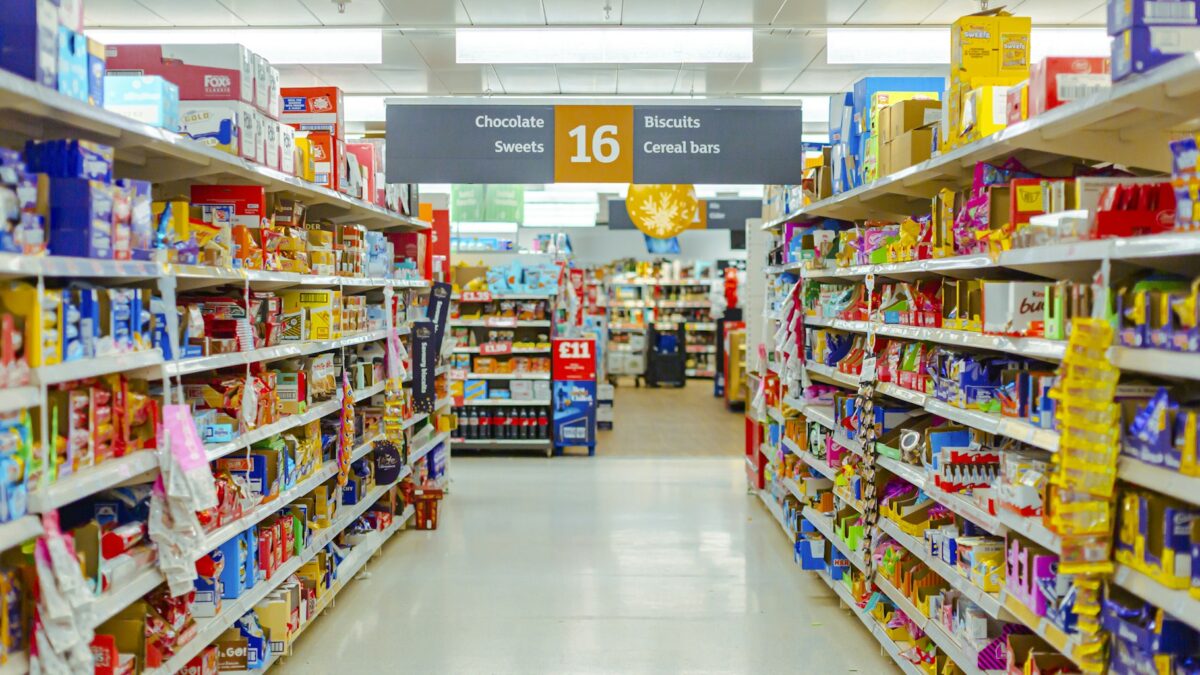
Most major grocery retailers roll out their new weekly sales and coupons on Wednesday. This means you get access to fresh deals before the weekend rush picks through them. According to reporting from grocery shopping experts, Wednesday is also when store staff are most likely to honor discounts you might have missed, such as rainchecks or manufacturer coupons from the previous week’s sales. This grace period on Hump Day makes it an ideal time to ask a manager about price adjustments or overlooked deals.
The timing matters. Shopping Wednesday morning gives you first access to sale items in full stock. However, if you can shop Wednesday evening, you gain an additional advantage: perishable items that didn’t sell are typically marked down during the late afternoon and evening hours. This creates a window where you can access both the full selection of new weekly deals and the discounted perishables being cleared out.
When to Shop for the Freshest Meat, Dairy, and Seafood
Wednesday afternoons work well because that is typically when meat, dairy, and seafood sections have been freshly restocked following Tuesday night deliveries. However, the exact restock timing varies by store size and individual location. Smaller stores may have a single designated restock day, while larger chain stores often restock these departments daily or multiple times per week.
To get the best selection of fresh items, show up about an hour after your store opens. This gives workers time to finish restocking overnight deliveries while still leaving a full range of fresh choices available. Arriving near closing time means picking over picked-over sections, where the best cuts of meat and seafood have already sold out. If you can identify when your specific store receives its dairy and seafood deliveries, coordinate your visit accordingly. Ask a store manager directly about their delivery schedule rather than guessing.
The Trade-off: Timing for Deals Versus Freshness
Shopping for the absolute freshest items requires a different timing strategy than shopping for the deepest discounts. The freshest items appear early in the day after restocking, when selection is at its peak. The best markdowns appear late in the day when stores discount items that won’t last until the next sale cycle. You cannot optimize for both simultaneously.
If your priority is freshness and selection, arrive Wednesday morning within an hour of opening. If your priority is maximum savings on perishables, plan your trip for Wednesday evening between 5 p.m. and closing. Some shoppers split the difference by shopping Wednesday afternoon, accepting slightly picked-over fresh sections in exchange for catching both new weekly deals and some evening markdowns. What works depends on whether you value price or product quality more for your household.
Best Times of Day to Avoid Crowds
Crowd levels change dramatically based on time of day and day of week. Weekday mornings before 10 a.m. and evenings after 8 p.m. are typically the quietest. Weekdays between 5 p.m. and 6 p.m. are consistently crowded, as people stop in after work to grab dinner ingredients. Weekends see the heaviest traffic, particularly on Saturday and Sunday mornings, when people do their weekly stock-up shopping.
The trade-off of shopping for quiet stores is that you may not catch the specific timing of markdowns or restocks. An empty store at 7 a.m. Tuesday offers a pleasant shopping experience but won’t give you the advantage of fresh Wednesday markdowns or the best selection of newly delivered produce. Decide whether a stress-free, quick shopping trip matters more to your household than maximizing savings on specific items.
Produce Restocking Days Vary by Store
Unlike meat and dairy departments, produce restocking schedules are less standardized. Large grocery chains may receive fresh produce deliveries multiple times per week, while smaller grocery stores may have a single designated restock day. Your local store might receive produce on Tuesdays, Wednesdays, or a different day entirely.
The only way to know for certain is to ask. Call your store or speak with a produce manager in person about when fresh fruit and vegetables arrive. Once you know your store’s schedule, time your shopping to coincide with the delivery. This is the most reliable way to ensure you get the freshest selection rather than guessing that a particular day will have new stock.
Holiday Shopping Strategy
Many shoppers assume the day before a major holiday will be the most crowded time to shop, but reporting indicates that two days before is often when stores reach their peak traffic. The crowds then disperse slightly the day before the holiday. To avoid the peak rush, plan your holiday grocery trip three days in advance. For Thanksgiving, this means shopping on Monday of that week rather than Wednesday or Thursday. For other holidays, calculate back three days from the date and aim for that time instead.
This strategy works best for shelf-stable items and frozen goods that can be safely stored at home for several days. Highly perishable items like fresh fish, delicate produce, or dairy with short expiration dates are better purchased closer to when you plan to use them. Consider splitting your holiday shopping between a three-days-early trip for non-perishables and a one-day-early trip for fresh items.
 Walmart Activates Shop to Light Feature: What Shoppers Should Know
 Costco Overtakes H-E-B in Customer Satisfaction Rankings: What Shoppers Should Know
 Safeway and Target Lead in Grocery Delivery and Pickup What Shoppers Should Know
 Kroger Uses AI to Predict Ad Performance Before Spending Happens
 Kroger Tests 24 Hour Stores: What Shoppers Need to Know About the Expansion
 Kroger Brings Back 24 Hour Stores What Shoppers Need to Know